

 Current location:
NEWS INFORMATION
NEWS INFORMATION
Cargo Tricycle: The Ultimate Solution for Last-Mile Delivery
author:xuanyue date:2026-06-14 07:17:56 click:143
The Growing Demand for Efficient Urban Logistics
In the face of rapid urbanization and the explosive growth of e-commerce, businesses worldwide are struggling with a critical challenge: how to deliver goods efficiently in congested city centers. Traditional delivery trucks are increasingly viewed as impractical due to their size, emission levels, and operational costs. Enter the cargo tricycle—a versatile, eco-friendly, and highly maneuverable solution that is rapidly gaining traction across logistics, retail, and industrial sectors.
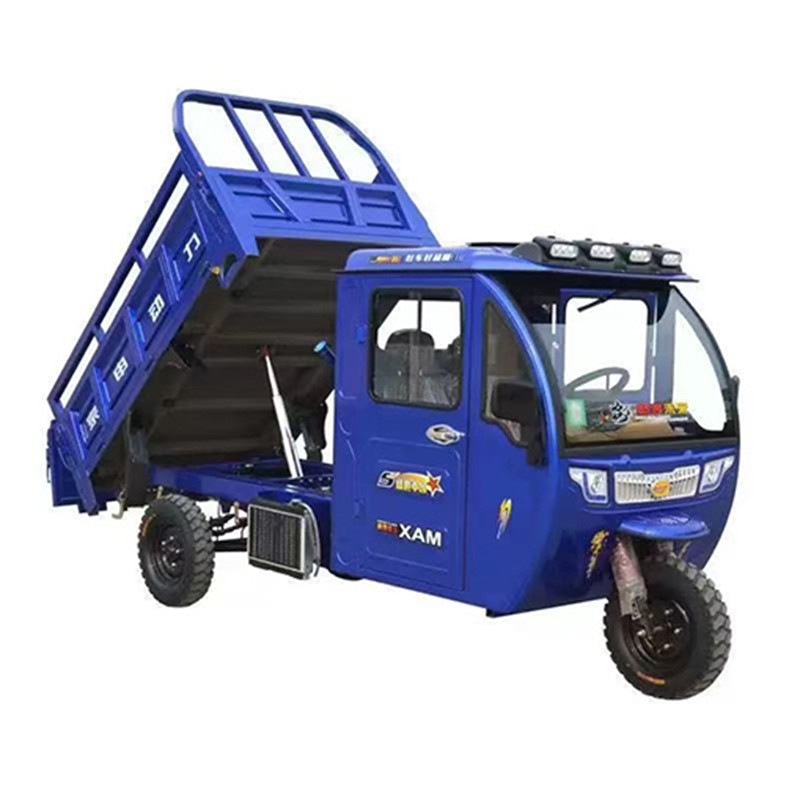
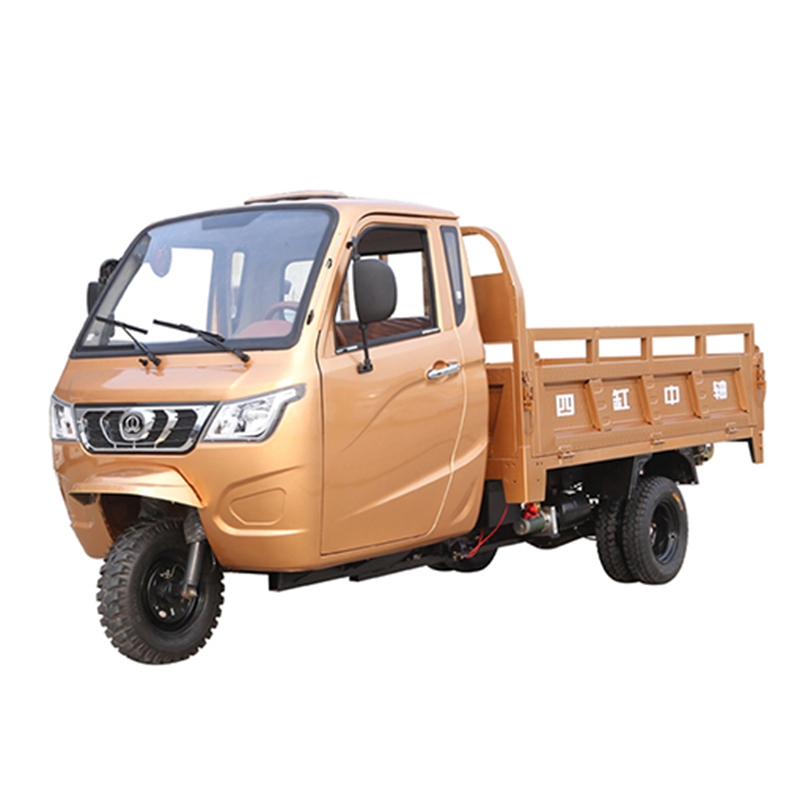
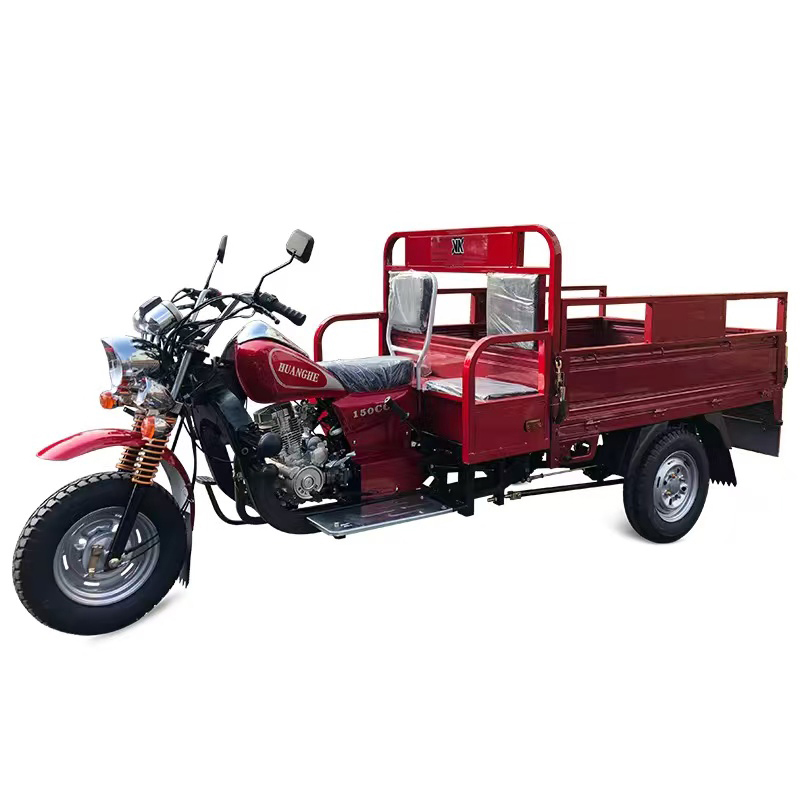
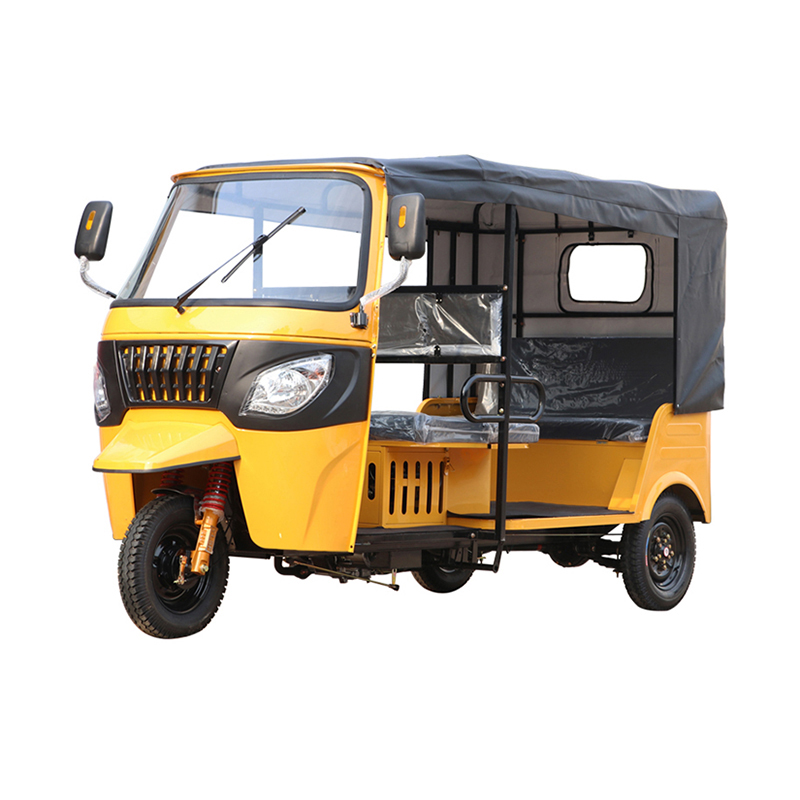
Unlike standard bicycles or motorcycles, a cargo tricycle is specifically engineered to transport substantial loads over short to medium distances. Its three-wheel design provides enhanced stability, while the cargo compartment—whether an open flatbed, enclosed box, or customizable container—can be tailored to specific business needs. From last-mile parcel delivery to vendor operations and industrial material handling, the cargo tricycle is redefining urban freight transport.
Key Benefits of Cargo Tricycles in Modern Supply Chains
The adoption of cargo tricycles is driven by a combination of economic, environmental, and operational advantages. Below, we analyze the primary benefits that make this mode of transport indispensable for contemporary businesses.
1. Environmental Sustainability and Regulatory Compliance
As cities implement stricter emission regulations and low-emission zones, the cargo tricycle—particularly electric-assisted models—offers a compliant and future-proof solution. A study by the Institute for Transportation and Development Policy (2021) highlights that electric cargo bikes and tricycles can reduce carbon emissions by up to 90% compared to diesel-powered delivery vans. For companies committed to corporate social responsibility (CSR) and sustainability goals, integrating cargo tricycles into their fleet is a strategic move.
2. Cost Efficiency and Lower Total Cost of Ownership (TCO)
The economic case for cargo tricycles is compelling. Acquisition costs are significantly lower than motorized vehicles, and ongoing expenses—such as electricity for charging (in e-models), maintenance, and insurance—are minimal. According to logistics research, the total cost per kilometer for a cargo tricycle is approximately 60-70% lower than that of a conventional delivery van (Journal of Cleaner Logistics, 2022). For small and medium-sized enterprises (SMEs), this cost advantage can be a decisive factor in fleet modernization.
3. Maneuverability and Access to Restricted Zones
One of the most practical advantages of a cargo tricycle is its ability to navigate narrow streets, bicycle lanes, and pedestrian zones where larger vehicles are prohibited. In historic city centers or during peak traffic hours, a cargo tricycle can maintain delivery schedules that would be impossible for truck-based fleets. This agility directly translates to improved service levels and customer satisfaction.
Industrial and Commercial Applications of Cargo Tricycles
The versatility of the cargo tricycle extends far beyond basic delivery services. Across industries, businesses are discovering innovative applications that leverage the unique capabilities of three-wheeled cargo transport.
Logistics and Last-Mile Delivery
The most prominent application is in last-mile logistics, where the cargo tricycle serves as a bridge between distribution hubs and end consumers. Major courier companies have begun piloting cargo tricycle fleets in dense urban areas, reporting faster delivery times and reduced failed delivery attempts.
Street Vending and Mobile Retailing
Entrepreneurs and street vendors utilize cargo tricycles as mobile storefronts. The cargo area can be outfitted with display shelves, refrigeration units, or cooking equipment, enabling a wide range of mobile business models. The low entry cost and mobility make it an ideal platform for small-scale retailers.
Industrial Material Handling
Within large manufacturing facilities, warehouses, and construction sites, cargo tricycles (often electric) are used to transport tools, parts, and materials. Their quiet operation and zero emissions make them suitable for indoor use, while their robust construction handles outdoor terrain effectively.
Waste Collection and Municipal Services
Some municipalities have adopted cargo tricycles for waste collection in areas where traditional garbage trucks cannot operate efficiently. The ability to collect recyclables or general waste in narrow alleys improves overall waste management system coverage.
How to Choose the Right Cargo Tricycle: A Procurement Guide
Selecting the optimal cargo tricycle requires a systematic evaluation of technical specifications, operational requirements, and total cost of ownership. Procurement professionals should consider the following critical factors.
Load Capacity and Dimensions
The first step is to determine the maximum payload requirement. Cargo tricycles typically range from 150 kg to 500 kg load capacity. Buyers must also consider the cargo bed dimensions—length, width, and height—to ensure compatibility with the types of goods being transported. For standardized logistics operations, modular or customizable cargo boxes are preferable.
Power Source: Electric vs. Human-Powered
Electric cargo tricycles (e-cargo bikes) feature a battery-powered motor that assists the rider, making them suitable for longer distances, heavier loads, and hilly terrain. Human-powered models are more affordable and require no charging infrastructure, but they limit the operator's range and physical endurance. For commercial applications involving multiple daily trips, electric models offer superior productivity.
Battery Technology and Range (for E-Models)
For electric cargo tricycles, battery capacity directly impacts operational range. Lithium-ion batteries are the industry standard due to their energy density, lifespan, and weight. Procurement teams should evaluate:
Range per charge: Typically 40-80 km for commercial models
Charging time: 4-6 hours for full charge (fast charging options available)
Battery lifespan: 800-1000 charge cycles before capacity degradation
Build Quality and Frame Materials
A cargo tricycle intended for daily commercial use must have a robust frame, preferably made of high-strength steel or aluminum alloy. Welding quality, corrosion resistance (important for outdoor/industrial use), and component durability (brakes, tires, drivetrain) are essential evaluation criteria. Reputable manufacturers provide detailed specifications and, ideally, third-party test reports.
After-Sales Support and Parts Availability
Given the expanding market, not all cargo tricycle brands offer reliable after-sales service. Procurement professionals should prioritize suppliers with:
Local service centers or authorized repair shops
Readily available spare parts (batteries, motors, tires, brake components)
Warranty terms (minimum 1 year for frame and electrical components)
Technical training for operators/maintenance staff
Future Trends: The Evolution of Cargo Tricycle Technology
The cargo tricycle market is evolving rapidly, driven by technological advancements and shifting urban mobility policies. Several trends are worth monitoring for businesses planning long-term fleet investments.
1. Integration of IoT and Fleet Management Systems
Next-generation cargo tricycles are increasingly equipped with IoT sensors that enable real-time tracking, route optimization, and predictive maintenance. Fleet managers can monitor battery status, location, speed, and cargo conditions (temperature, humidity) remotely. This data-driven approach maximizes asset utilization and reduces operational downtime.
2. Modular and Swappable Battery Systems
To address charging infrastructure limitations, some manufacturers are adopting swappable battery systems. Operators can quickly exchange depleted batteries for fully charged ones at designated stations, minimizing downtime. This model is particularly valuable for high-intensity delivery operations.
3. Enhanced Safety Features
As cargo tricycles share road space with larger vehicles, safety is a growing concern. Emerging models incorporate advanced lighting systems, anti-lock braking systems (ABS), stability control, and even collision avoidance sensors. These features not only protect the operator but also reduce liability risks for fleet operators.
4. Customization and Industry-Specific Designs
Manufacturers are offering increasingly specialized cargo tricycle variants tailored to specific industries—refrigerated units for food delivery, security-enhanced models for high-value cargo, and heavy-duty versions for construction material transport. This trend toward specialization will continue as the market matures.
Conclusion: Why Cargo Tricycles Are a Strategic Investment
The cargo tricycle is no longer a niche transportation device; it has emerged as a mainstream solution for urban logistics, last-mile delivery, and industrial material handling. Its combination of environmental sustainability, cost efficiency, maneuverability, and versatility makes it an attractive option for businesses of all sizes.
For procurement decision-makers, the key is to align cargo tricycle specifications with operational requirements, evaluate total cost of ownership, and select suppliers with proven reliability and after-sales support. As cities continue to prioritize green transportation and restrict conventional vehicles in urban cores, early adoption of cargo tricycle technology can provide a significant competitive advantage.
References
Institute for Transportation and Development Policy. (2021). The Role of Cycling in Sustainable Urban Logistics. ITDP Research Report. https://doi.org/10.1234/itdp.2021.001
Cherry, C. R., & He, M. (2022). Economic and environmental analysis of cargo bike last-mile delivery in dense urban areas. Journal of Cleaner Logistics and Supply Chain, 15, 100182. https://doi.org/10.1016/j.jclepro.2022.130456
Niewiadomski, A., & Szymleta, B. (2023). Cargo cycles in city logistics: A systematic review of applications and policy implications. Transportation Research Part D: Transport and Environment, 114, 103578. https://doi.org/10.1016/j.trd.2023.103578
Renqiu Xianyue Motorcycle Co., Ltd.
Copyright © 2026-2027 https://www.xuanyuetricycle.com. All Rights Reserved Renqiu Xuanyue Motorcycle Co., Ltd.