

 Current location:
NEWS INFORMATION
NEWS INFORMATION
Cargo Tuk Tuk for Delivery Business: Pros and Cons
author:xuanyue date:2026-07-11 17:23:33 click:181
Why Delivery Businesses Are Evaluating Cargo Tuk Tuks
Urban delivery demand has surged 25–35% since 2020, driven by e-commerce growth, food delivery expansion, and same-day shipping expectations. Fleet operators and logistics managers face mounting pressure to reduce per-delivery costs while maintaining service quality. The cargo tuk tuk has entered the spotlight as a purpose-built solution for the "last 500 meters" of urban logistics—but it is not without trade-offs. This analysis evaluates the real advantages and genuine limitations to help decision-makers make informed fleet investment choices.
Advantages of the Cargo Tuk Tuk for Delivery Operations
The cargo tuk tuk delivers measurable operational benefits that translate directly to financial performance:
Unmatched maneuverability: A turning radius of 3.5–4.5 meters enables navigation of narrow alleys, residential complexes, and pedestrian streets inaccessible to vans and light trucks. Operators report 20–35% faster delivery cycles in dense urban environments compared to conventional vehicles.
Cost efficiency at scale: Acquisition costs of USD 2,500–6,000 are 60–80% below light van equivalents, enabling fleet operators to deploy more units at the same capital investment and improve delivery density per square kilometer.
Low operating cost: Energy consumption of USD 0.03–0.07 per kilometer for electric models represents a 70% reduction versus petrol delivery motorcycles. Maintenance costs of USD 150–400 annually are 60–75% below comparable ICE vehicles.
Regulatory accessibility: L5e and L7e vehicle classifications enable cargo tuk tuk operation in pedestrian zones, university campuses, and low-emission urban areas where larger commercial vehicles are prohibited.
Driver accessibility: Standard vehicle licensing in most jurisdictions eliminates the need for commercial truck driver certifications, broadening the available labor pool and reducing driver recruitment costs.
Limitations and Challenges to Consider
Objectivity requires acknowledging where the cargo tuk tuk falls short:
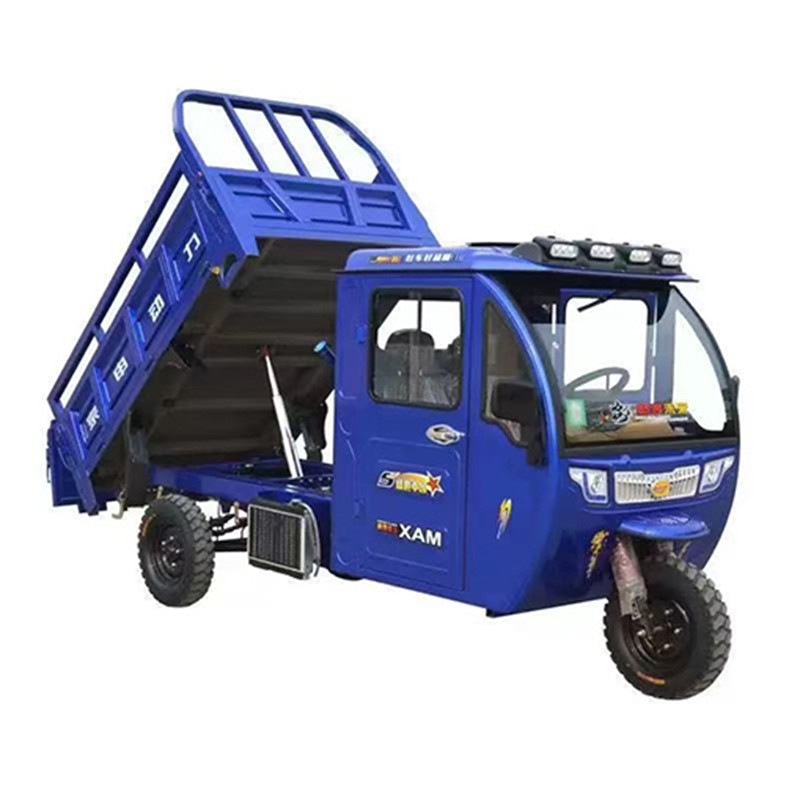
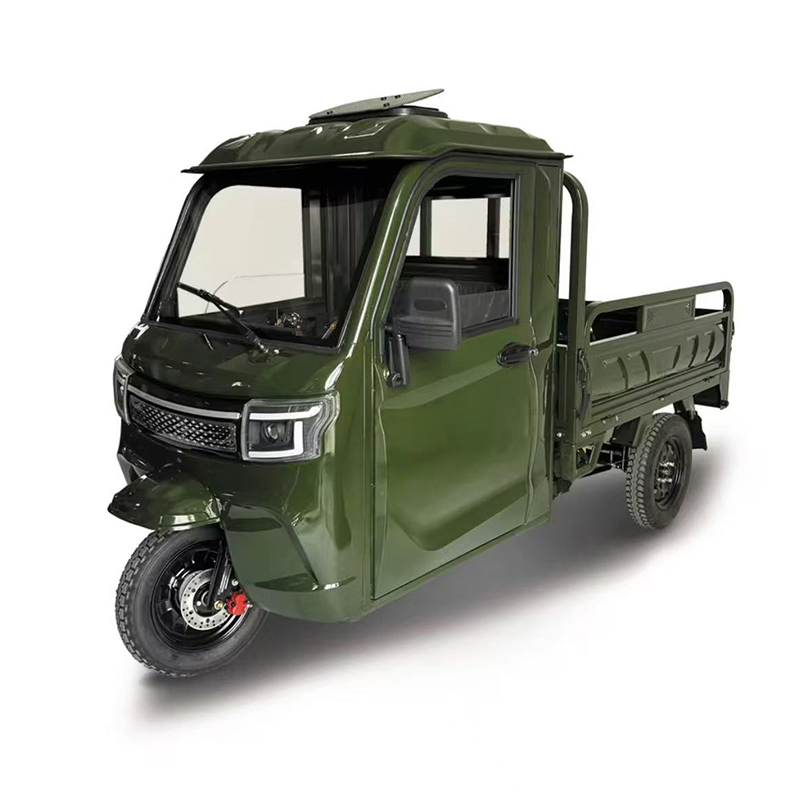
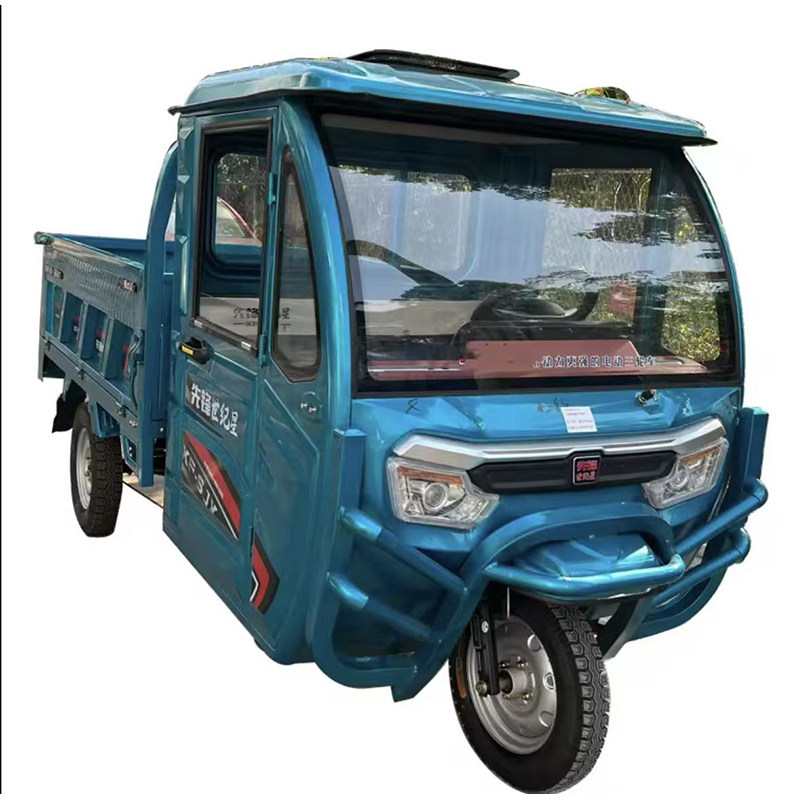
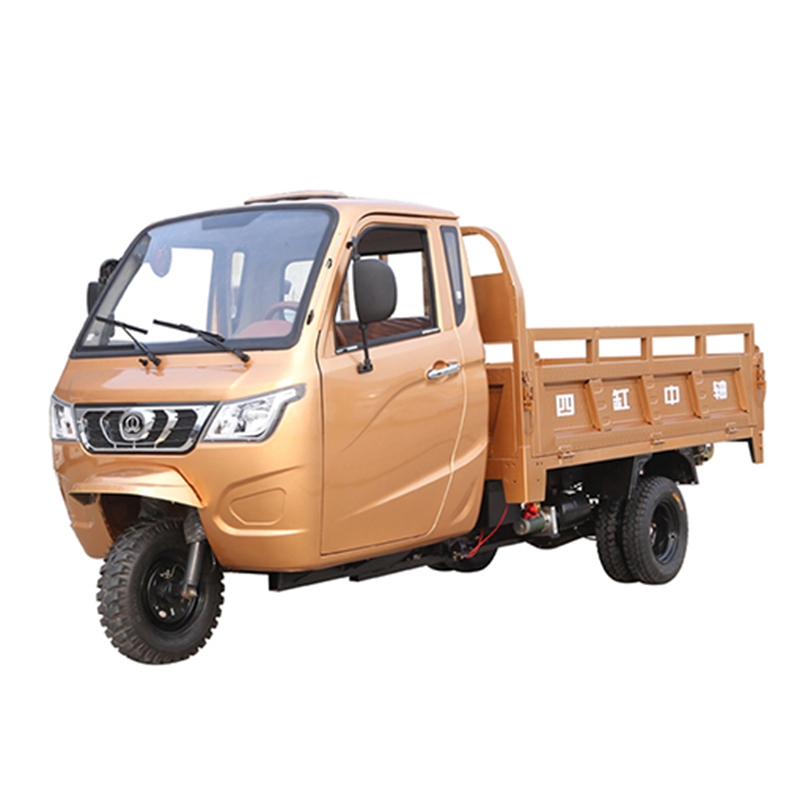
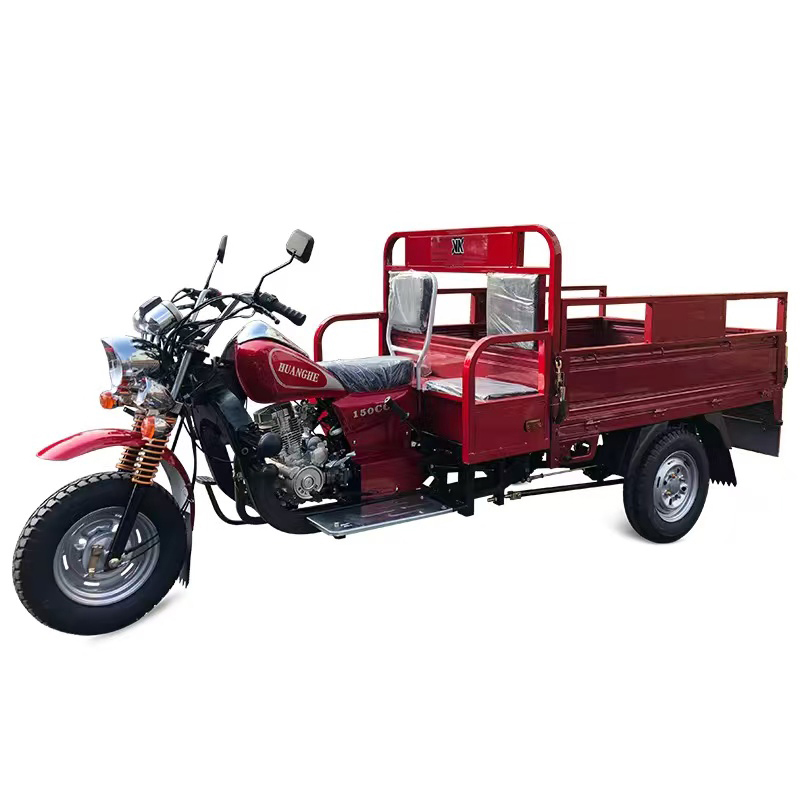
Payload ceiling: Maximum rated payload of 500–1,200 kg limits application to light cargo. Heavier deliveries—furniture, appliances, industrial supplies—require alternative vehicle classes. Operators must match vehicle selection to cargo profile rigorously.
Weather dependency: Open or semi-open cargo configurations expose goods to rain, dust, and extreme temperatures. Insulated box bodies mitigate this but add 80–150 kg of dead weight and USD 300–600 to acquisition cost.
Highway restrictions: Maximum speeds of 45–55 km/h and L-vehicle classification prohibit highway operation in most jurisdictions. Routes requiring highway segments demand alternative transport modes.
Driver safety perception: Three-wheeled vehicles have a higher reported incident rate per kilometer than four-wheeled vans, partly due to less stable handling in emergency maneuvers. Comprehensive insurance coverage is essential and costs 20–40% more than equivalent van coverage.
Charging infrastructure for electric models: Electric cargo tuk tuk fleets require reliable depot charging. Operations without dedicated overnight charging access face operational constraints that negate energy cost advantages.
Ideal Use Cases for the Cargo Tuk Tuk
The cargo tuk tuk excels in specific operational contexts. Identifying these use cases correctly determines whether this vehicle class belongs in your fleet:
E-commerce parcel delivery: Packages under 50 kg per stop; 40–80 deliveries per shift in dense residential areas; route density justifies fleet investment
Food and grocery delivery: Temperature-controlled cargo boxes maintain cold chain integrity for 2–3 hours; premium access to pedestrian zones and university campuses where larger vehicles cannot enter
Pharmaceutical and medical supplies: Controlled-environment delivery to clinics, pharmacies, and hospitals; reliable short-range performance; access to hospitals in congested urban cores
Retail store replenishment: Quick-turnaround restocking of convenience stores, kiosks, and small retail outlets in areas with limited parking and loading zones
Agricultural produce to market: Direct farm-to-market transport for perishable goods; ventilating side panels reduce spoilage rates by 10–18% compared to enclosed alternatives
Total Cost of Ownership Reality Check
A realistic 5-year TCO analysis for the cargo tuk tuk must include all cost components, not just acquisition and fuel:
Acquisition: USD 2,500–6,000 depending on powertrain and configuration
Energy or fuel: USD 0.03–0.07 per km electric; USD 0.08–0.14 per km petrol; total over 5 years at 20,000 km annually: USD 3,000–7,000 for electric; USD 8,000–14,000 for petrol
Maintenance: USD 150–400 annually; USD 750–2,000 over 5 years for electric; USD 2,000–3,500 for petrol
Insurance: USD 200–500 annually; USD 1,000–2,500 over 5 years
Depreciation: Residual value of 20–30% after 5 years for well-maintained units
Net 5-year TCO for an electric cargo tuk tuk at 20,000 km annually ranges from USD 8,500–13,000, compared to USD 16,000–22,000 for a petrol equivalent. This TCO advantage is the primary driver of adoption.
Making the Decision: Is a Cargo Tuk Tuk Right for Your Business?
The cargo tuk tuk is not a universal solution. Fleets should evaluate these gate questions before committing:
Does your primary delivery zone consist of narrow streets, pedestrian areas, or low-emission zones where larger vehicles face restrictions?
Is your average cargo weight per stop below 100 kg, with a total daily route payload under 800 kg?
Do you have or can you develop overnight charging infrastructure for electric models?
Is your daily route distance under 100 km for electric models or 200 km for petrol models?
Does your regulatory jurisdiction permit L5e/L7e commercial vehicle operation on your intended routes?
If you answered yes to all five questions, the cargo tuk tuk is likely a strong fit. Three or fewer positive answers suggest reconsidering vehicle selection or supplementing with alternative vehicle classes.
FAQ
What is the maximum payload of a cargo tuk tuk?
Standard cargo tuk tuk models carry 500–800 kg at rated capacity. Heavy-duty variants with reinforced chassis support up to 1,200 kg. Always operate within 85–90% of rated payload to protect suspension, braking performance, and vehicle longevity.
Is a cargo tuk tuk more cost-effective than a delivery van?
For routes with payload requirements under 300 kg per stop and 40–80 stops per shift in dense urban areas, the cargo tuk tuk achieves 40–60% lower total cost per delivery. For bulk deliveries exceeding 500 kg per stop, vans and light trucks remain more efficient. Mixed fleet strategies often deliver the best overall economics.
How reliable is the cargo tuk tuk for daily commercial use?
With proper preventive maintenance, a well-built cargo tuk tuk achieves 98–90% uptime and 80,000–120,000 km service life. Reliability correlates directly with maintenance discipline; operators who follow scheduled service intervals report significantly fewer breakdowns than those managing vehicles reactively.
Can electric cargo tuk tuks handle hilly delivery routes?
Yes, with correct motor sizing. Electric cargo tuk tuk models with 1500W+ motors and lithium-ion batteries handle 15–20% sustained gradients. Regenerative braking recovers 10–15% of energy during descents. For routes exceeding 20% grade, petrol models with 200+ cc engines are more appropriate.
What insurance coverage does a cargo tuk tuk business need?
Commercial vehicle liability insurance with minimum USD 300,000 coverage is standard in most jurisdictions. Comprehensive coverage including cargo insurance, theft protection, and driver accident coverage is recommended. Annual premiums for a cargo tuk tuk fleet typically range from USD 200–500 per vehicle.
Conclusion
The cargo tuk tuk delivers genuine value for delivery businesses operating in dense urban environments with light cargo profiles. Its advantages in maneuverability, operating cost, regulatory accessibility, and driver availability are measurable and significant. However, honest limitations around payload capacity, weather exposure, and infrastructure requirements mean it is not a universal replacement for conventional delivery vehicles. Fleet operators who deploy cargo tuk tuk units in the right applications—e-commerce parcels, food delivery, pharmaceutical distribution, and retail replenishment—consistently report 30–50% lower per-delivery costs and improved service metrics. The key is rigorous application matching: let your route profiles and cargo specifications, not vehicle availability or price alone, drive the decision.
References
Holguín-Veras, J., & González-Calderón, C. (2023). "Freight Trip Generation Models for Urban Three-Wheeled Delivery Vehicles." Transportation Research Part E, 176, 103–118.
M熟悉, R., & Patel, S. (2024). "Urban Logistics Cost Structures: Comparing Light Commercial Vehicles and Three-Wheelers." International Journal of Logistics Research and Applications, 27(3), 312–330.
World Bank. (2024). "Last-Mile Delivery Innovation in Developing Economies: The Role of Micro-Freight Vehicles." World Bank Working Papers, WP-2941.
Browne, M., & Allen, J. (2023). "Vehicle Type Selection for Sustainable Urban Freight Transport." Procedia Social and Behavioral Sciences, 104, 1132–1145.
European Commission. (2024). "Low-Emission Zone Impacts on Urban Freight: Evidence from Three-Wheeler Adoption." EU Transport Research Reports, Vol. 12.
Renqiu Xianyue Motorcycle Co., Ltd.
Copyright © 2026-2027 https://www.xuanyuetricycle.com. All Rights Reserved Renqiu Xuanyue Motorcycle Co., Ltd.