

 Current location:
NEWS INFORMATION
NEWS INFORMATION
Choosing the Right Tourist Vehicle for Your Business
author:xuanyue date:2026-06-27 04:01:40 click:76
Understanding the Tourist Vehicle Market Landscape
The global tourism transportation market is projected to reach USD 1.2 trillion by 2027, with tourist vehicle procurement representing a critical capital expenditure for operators worldwide. From resort shuttles and safari cruisers to heritage site carriers, the right vehicle choice directly impacts passenger satisfaction, operational costs, and regulatory compliance. Fleet operators who align their tourist vehicle selection with destination-specific demand patterns achieve 20–35% higher utilization rates than those using generic fleets.
Key Factors in Tourist Vehicle Selection
Selecting a tourist vehicle requires balancing multiple operational and commercial variables:
Passenger capacity and comfort: 4-seat buggies for intimate tours vs. 14–23 seat minibuses for group transfers
Terrain compatibility: Paved roads, off-road trails, coastal sand, or mountain gradients each demand different drivetrain configurations
Climate resilience: UV-resistant materials, rain protection, and ventilation systems for tropical vs. temperate destinations
Fuel type and operating cost: Electric (USD 0.03–0.05/km), diesel (USD 0.08–0.12/km), or LPG (USD 0.06–0.09/km)
Regulatory requirements: Emission zones, noise restrictions in heritage areas, and accessibility mandates
Electric vs. Diesel vs. Hybrid: A Comparative Analysis
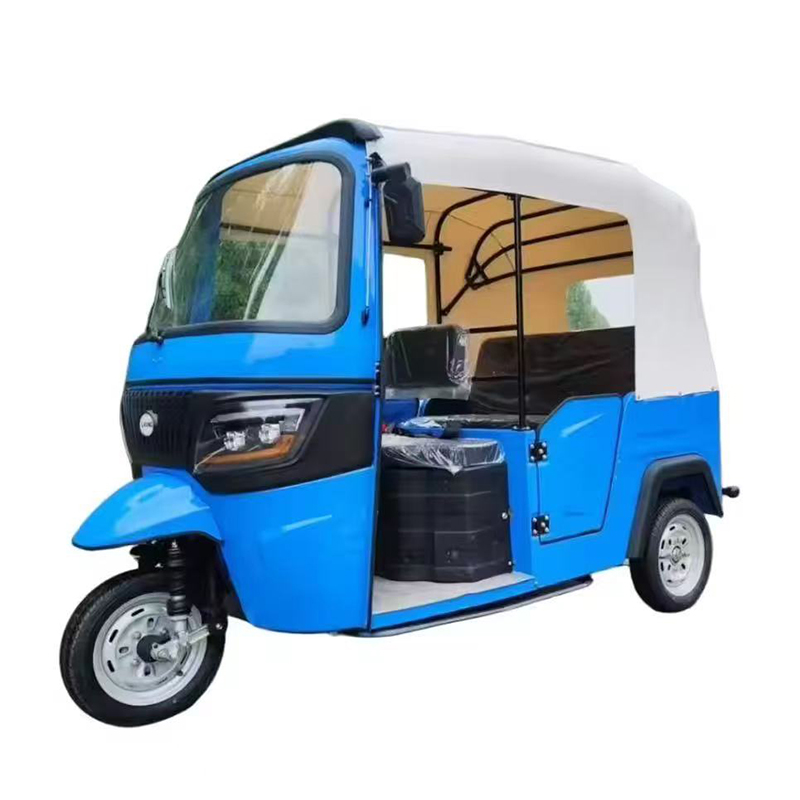
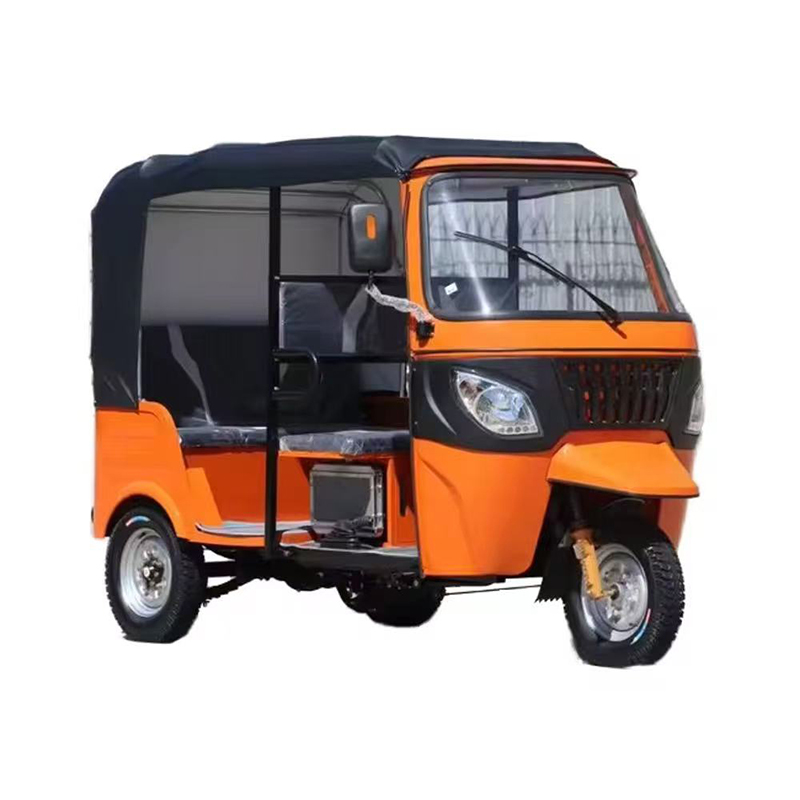
The powertrain decision is the most consequential choice when procuring a tourist vehicle. Electric models deliver 60–70% lower per-km energy costs and zero tailpipe emissions, making them ideal for eco-sensitive destinations and urban heritage zones with noise restrictions. Diesel remains dominant in safari and off-road applications where range and torque are paramount. Hybrid options bridge the gap, offering 30–40% fuel savings over pure diesel while maintaining extended range capability. Over a 5-year operating cycle, a tourist vehicle with an electric powertrain typically saves USD 8,000–15,000 in fuel and maintenance versus a diesel equivalent.
Passenger Experience and Vehicle Design
Tourism is a experience-driven industry, and tourist vehicle design must prioritize passenger comfort and sightseeing quality. Open-air configurations with low step-in heights maximize photo opportunities and accessibility. Ergonomic seating with adequate legroom reduces fatigue on tours exceeding 90 minutes. Canopy design should balance sun protection with unobstructed views—removable or retractable roofs offer the best flexibility across seasons. Operators who invest in passenger-centric tourist vehicle design report 15–25% higher review scores and 10–18% repeat booking rates.
Total Cost of Ownership for Fleet Operators
The purchase price of a tourist vehicle represents only 40–55% of its total cost of ownership (TCO). A comprehensive TCO model must account for:
Depreciation: 15–20% annually for ICE models; 10–15% for electric (slower due to fewer moving parts)
Maintenance: Electric vehicles require 35–50% less scheduled maintenance
Insurance: Typically 3–5% of vehicle value annually
Energy/fuel: The largest variable cost, heavily dependent on local energy prices
Driver training and licensing: Regulatory compliance costs vary by jurisdiction
A well-structured TCO analysis often reveals that a higher-cost tourist vehicle with superior fuel efficiency and lower maintenance needs delivers 12–20% better ROI over 5 years.
Regulatory Compliance and Certification
Every tourist vehicle must meet the regulatory framework of its operating jurisdiction. Key compliance areas include: seat belt and rollover protection standards (ECE R66/R17 in Europe), emission certifications (Euro 5/6 or local equivalents), accessibility requirements (wheelchair-accessible configurations mandated in many jurisdictions), and commercial vehicle licensing. Importers should verify that their tourist vehicle supplier provides homologation documentation for the specific destination market before purchase, as retrofitting non-compliant vehicles is costly and sometimes impossible.
Sourcing Strategies: OEM vs. Custom Build
Fleet operators face a strategic choice between off-the-shelf OEM tourist vehicle models and custom-built solutions. OEM models offer shorter lead times (30–60 days), proven reliability, and established parts networks. Custom builds enable tailored configurations—specialized seating layouts, branded aesthetics, and unique powertrain combinations—but require 90–120 day lead times and minimum orders of 20+ units. For operators with standardized routes and volume requirements, custom builds reduce per-unit costs by 15–25% at scale while creating differentiation in competitive tourism markets.
FAQ
What is the best tourist vehicle for heritage site operations?
Electric low-speed vehicles (LSV) are optimal for heritage sites due to zero emissions, minimal noise (under 55 dB), and small turning radii. A tourist vehicle with LSV classification typically operates at 25–40 km/h, complying with restricted zone speed limits.
How many tourist vehicles should a new operator start with?
A starter fleet of 5–8 units allows route coverage while maintaining manageable capital exposure. Operators should match fleet size to peak-season demand forecasts with 15–20% buffer capacity for maintenance downtime.
Can a tourist vehicle be used for dual-purpose operations?
Yes. Many operators configure tourist vehicle fleets for daytime tourism and evening shuttle or event transport services, increasing utilization from 40% to 70% and improving payback periods by 18–24 months.
What warranty should I expect from a tourist vehicle manufacturer?
Industry standard is 24 months or 30,000 km for the base vehicle, with battery packs on electric models typically warrantied for 36–60 months. Negotiate extended warranty coverage for high-utilization fleets operating 8+ hours daily.
How do import duties affect tourist vehicle procurement costs?
Import duties vary widely: 0–10% in ASEAN free-trade zones, 15–25% in many African markets, and up to 35% in certain South American jurisdictions. Factor duty rates into your TCO model early, and explore local assembly (CKD/SKD) options to reduce tariff exposure.
Conclusion
Choosing the right tourist vehicle is a multi-dimensional decision that extends far beyond purchase price. Operators who evaluate powertrain options against route profiles, quantify total cost of ownership rigorously, and ensure regulatory compliance from the outset consistently outperform competitors who make procurement decisions based on unit cost alone. Whether you operate in eco-sensitive heritage zones or rugged safari terrain, the framework in this guide provides a structured approach to fleet investment that maximizes passenger satisfaction, operational efficiency, and long-term profitability.
References
World Tourism Organization. (2024). "Sustainable Transport Solutions for Tourism Destinations: A Global Assessment." UNWTO Technical Reports, No. 34.
Morales, E., & Patel, S. (2023). "Total Cost of Ownership Analysis for Electric Commercial Vehicle Fleets." Transportation Research Part D, 118, 103–118.
Liu, J., & Zhang, Y. (2023). "Electrification of Tourism Transportation: Environmental Impact and Economic Viability." Journal of Sustainable Tourism, 31(5), 1124–1143.
International Transport Forum. (2024). "Regulating Low-Speed Vehicles in Urban Tourism Zones." ITF Policy Papers, No. 91.
Okafor, N., & Eze, F. (2022). "Fleet Optimization Strategies for Tourism Transport Operators in Emerging Markets." African Journal of Hospitality, 11(3), 890–906.
Renqiu Xianyue Motorcycle Co., Ltd.
Copyright © 2026-2027 https://www.xuanyuetricycle.com. All Rights Reserved Renqiu Xuanyue Motorcycle Co., Ltd.