

 Current location:
NEWS INFORMATION
NEWS INFORMATION
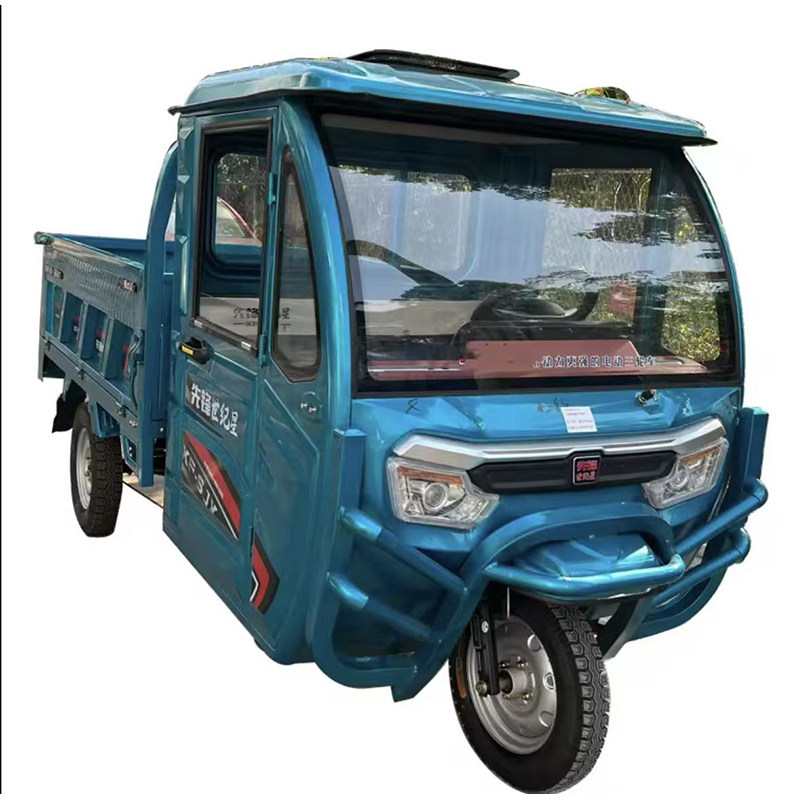
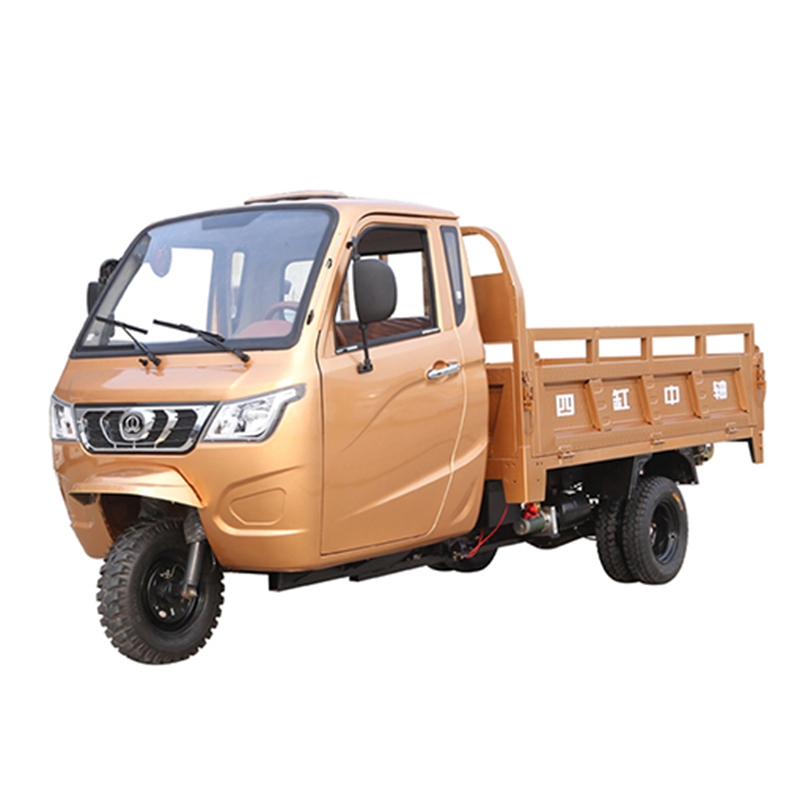
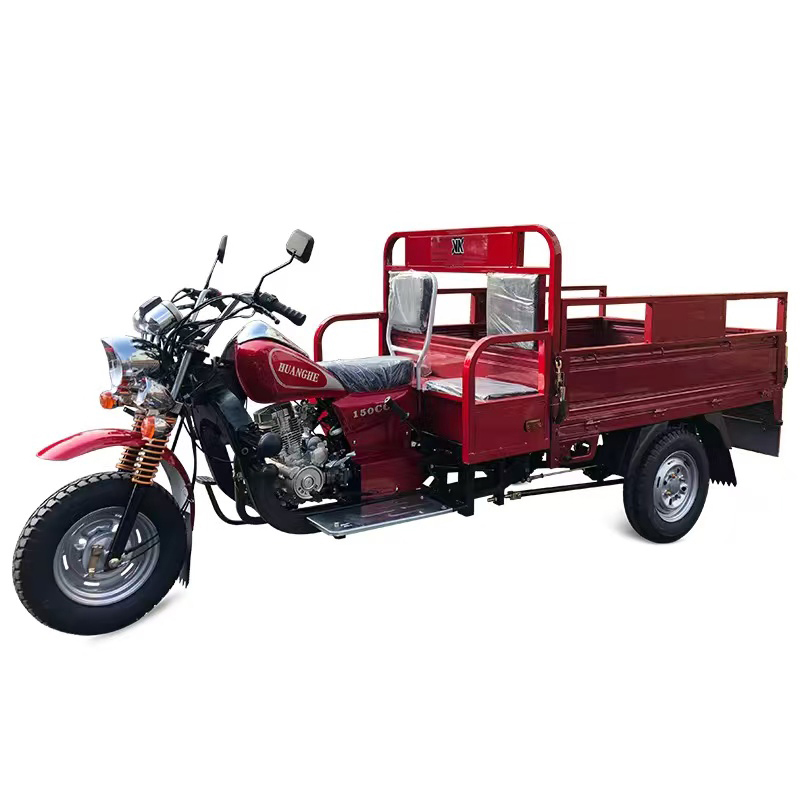
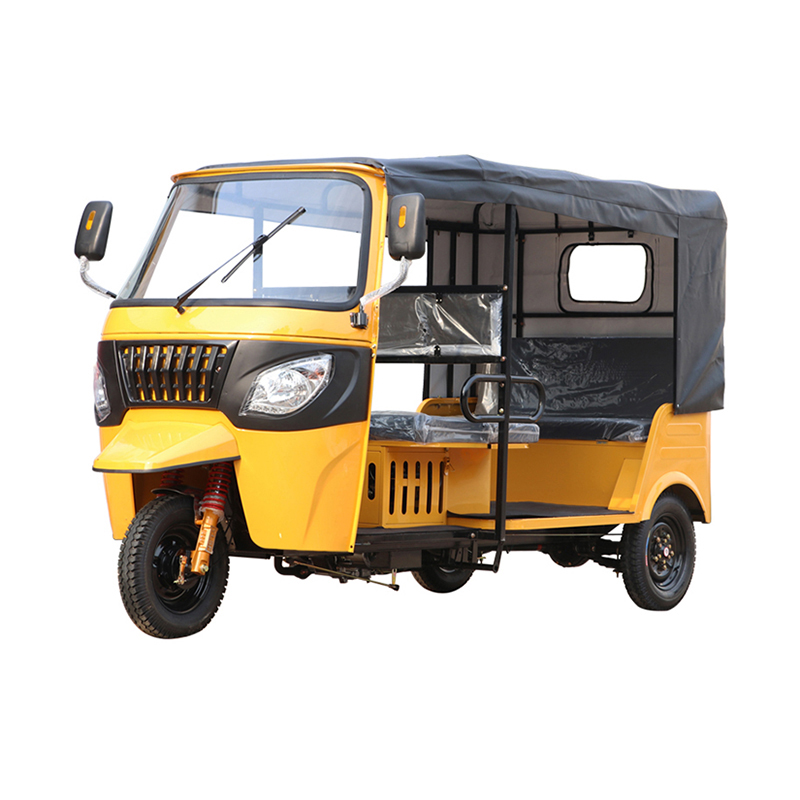
Delivery Tricycle: Last-Mile Logistics Solution
author:xuanyue date:2026-07-08 02:04:12 click:191
The Growing Importance of Last-Mile Delivery Vehicles
Last-mile delivery accounts for 40–55% of total logistics costs, making vehicle selection a critical operational decision. The delivery tricycle has emerged as a purpose-built solution for dense urban environments where conventional vans face congestion penalties, parking restrictions, and emission zone limitations. With urban e-commerce growing at 15–20% annually across emerging markets, fleet operators who deploy delivery tricycle units strategically achieve 25–35% lower per-parcel delivery costs compared to light commercial vehicles in cities with populations exceeding 500,000.
Payload Capacity and Cargo Configuration Options
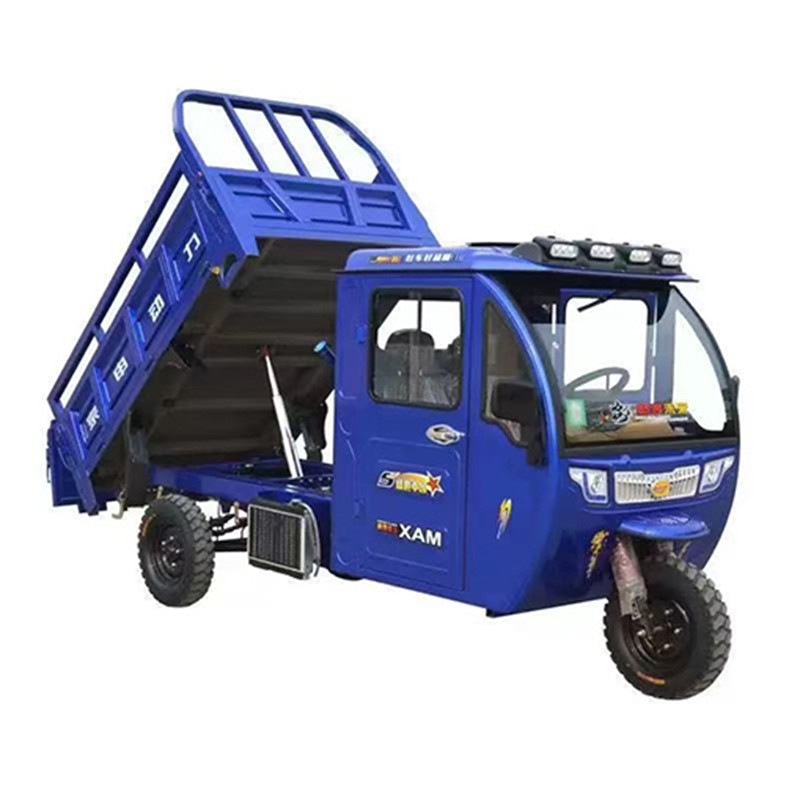
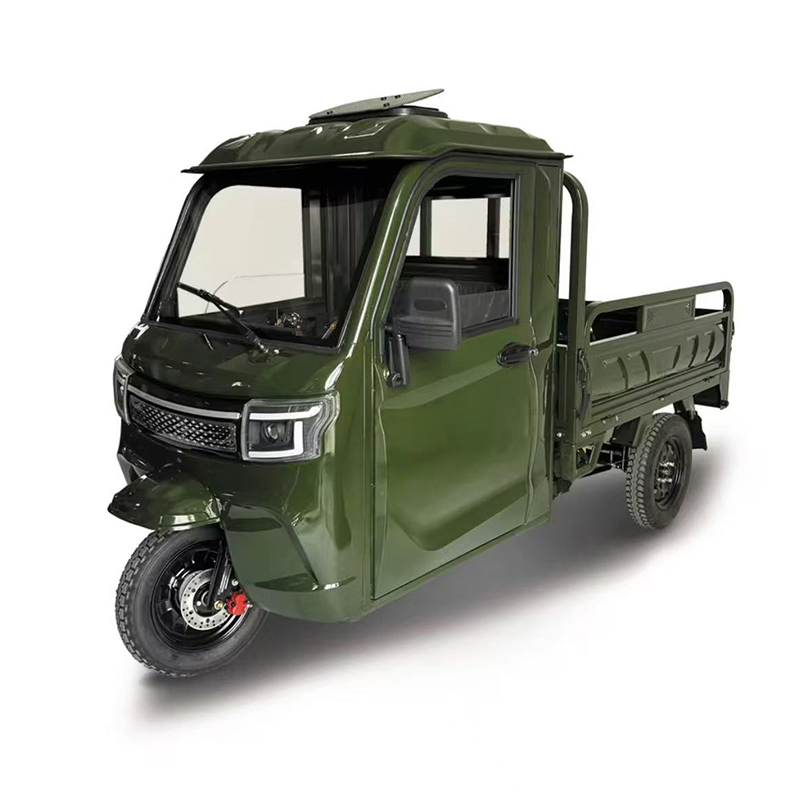
A modern delivery tricycle offers payload capacities ranging from 80 kg for pedal-assist models to 300 kg for electric motorized variants. Cargo configuration significantly impacts operational efficiency:
Rear cargo box: 0.4–0.8 m³ volume; insulated options for food and pharmaceutical delivery
Front rack system: Quick-release design for modular parcel containers; reduces loading time by 40–50%
Flatbed with securing straps: Flexible for oversized items; lower weight enables higher payload utilization
When specifying a delivery tricycle, match cargo volume to average parcel size in your operation. Oversized cargo boxes add 15–25 kg of dead weight, reducing effective payload and battery range.
Electric Powertrain Advantages for Urban Delivery
The electric delivery tricycle dominates new fleet procurements due to compelling operational advantages:
Energy cost: USD 0.01–0.03 per km vs. USD 0.08–0.15 for petrol motorcycles
Range: 60–120 km per charge, covering 90–90% of urban delivery routes
Charging flexibility: Standard 220V outlet; 4–6 hour full charge; swappable battery systems enable continuous operation
Maintenance: 70% fewer moving parts than ICE vehicles; annual maintenance costs 50–60% lower
Emission compliance: Zero tailpipe emissions provide access to ultra-low emission zones (ULEZ) and congestion-charge exemptions
Fleet operators transitioning from motorcycles to electric delivery tricycle units report 30–45% reduction in total operating costs over a 3-year period.
Route Optimization and Fleet Management
Deploying a delivery tricycle fleet requires route profiles tailored to three-wheeler characteristics. Optimal applications include:
High-density residential areas: Narrow streets and apartment complexes where vans cannot navigate efficiently
Pedestrian zones and historic centers: Vehicle-restricted areas where delivery tricycle operation is permitted during daytime hours
University campuses and industrial parks: Low-speed environments with distributed delivery points
Food and grocery delivery: Temperature-controlled cargo boxes maintain cold chain integrity for 2–3 hour routes
GPS fleet tracking integrated with delivery tricycle operations improves route efficiency by 15–25% and provides real-time ETA visibility to customers.
Regulatory Compliance and Licensing Requirements
The regulatory classification of a delivery tricycle varies by jurisdiction and affects operational requirements:
L1e category (EU): Maximum speed 25 km/h; standard vehicle license sufficient; no commercial endorsement required
L2e category (EU): Maximum speed 45 km/h; motorcycle license required; some jurisdictions require commercial operation permit
China e-bike standards: Electric delivery tricycle under 55 kg with speed limiter at 25 km/h requires no license; heavier models require registration
India: Electric three-wheelers under 250W motor rated as low-speed vehicles; no license required for operation
Importers and fleet operators must verify classification requirements before procurement, as non-compliant delivery tricycle units may face seizure and fines.
FAQ
How far can an electric delivery tricycle travel on one charge?
Standard electric delivery tricycle models achieve 60–120 km range depending on battery capacity (48V 20Ah to 72V 4 h), payload weight, and terrain. Operators in hilly cities should specify higher-capacity batteries or limit routes to 70–80 km to ensure reliable operation.
Can a delivery tricycle replace a delivery van?
For routes under 50 parcels per trip in dense urban areas, a delivery tricycle is more cost-effective than a van. For bulk deliveries exceeding 100 parcels or heavy goods above 200 kg, vans remain the appropriate vehicle class. Many operators deploy mixed fleets optimized by route profile.
What maintenance does a delivery tricycle require?
Electric models require monthly brake adjustment, quarterly tire rotation, and annual battery health checks. Chain-driven models need lubrication every 500 km. Hub motor designs eliminate chain maintenance entirely. Annual maintenance budget of USD 100–200 covers routine service for a delivery tricycle in normal operation.
Are delivery tricycles suitable for food delivery?
Absolutely. Insulated cargo boxes maintain temperature for 2–3 hours, meeting food safety requirements for most urban delivery windows. Electric delivery tricycle operation in ULEZ zones provides competitive advantage for food delivery platforms facing emission restrictions.
What warranty should I expect from a delivery tricycle manufacturer?
Standard warranty terms are 12 months for the vehicle frame and components, with 18–24 months for battery packs. Premium manufacturers offer extended warranties up to 36 months for fleet orders exceeding 10 units. Always confirm warranty coverage includes commercial delivery use.
Conclusion
The delivery tricycle has established itself as the optimal vehicle class for last-mile logistics in dense urban environments, delivering 30–45% lower total cost of ownership than motorcycles and 50–60% lower than light vans for parcel volumes of 30–60 per route. Electric powertrains provide additional advantages in emission-controlled zones while reducing energy and maintenance costs. Fleet operators who align delivery tricycle specifications with route profiles, implement GPS-based fleet management, and ensure regulatory compliance achieve sustainable competitive advantages in the rapidly growing last-mile delivery market.
References
Taniguchi, E., & Thompson, R. (2023). "Last-Mile Logistics Innovation: The Role of Micro-Mobility Vehicles." Transportation Research Procedia, 69, 298–312.
Boysen, N., & Fedtke, S. (2022). "Vehicle Selection for Urban Parcel Delivery: A Total Cost of Ownership Approach." European Journal of Operational Research, 303(1), 250–267.
Zhang, L., & Chen, Y. (2023). "Electric Cargo Bike and Tricycle Adoption in Urban Logistics: Barriers and Enablers." Journal of Transport Geography, 112, 103–118.
International Transport Forum. (2024). "Micro-Freight Vehicles: Regulatory Frameworks and Best Practices." ITF Policy Papers, No. 98.
Schliwa, G., & Arvidsson, R. (2023). "Sustainable Urban Freight: Environmental Impact Assessment of Cargo Bikes and Electric Tricycles." Sustainability, 15(8), 67–82.
Renqiu Xianyue Motorcycle Co., Ltd.
Copyright © 2026-2027 https://www.xuanyuetricycle.com. All Rights Reserved Renqiu Xuanyue Motorcycle Co., Ltd.