

 Current location:
NEWS INFORMATION
NEWS INFORMATION
Eco Friendly Tricycle: Future of Green Transportation
author:xuanyue date:2026-06-16 15:50:36 click:165
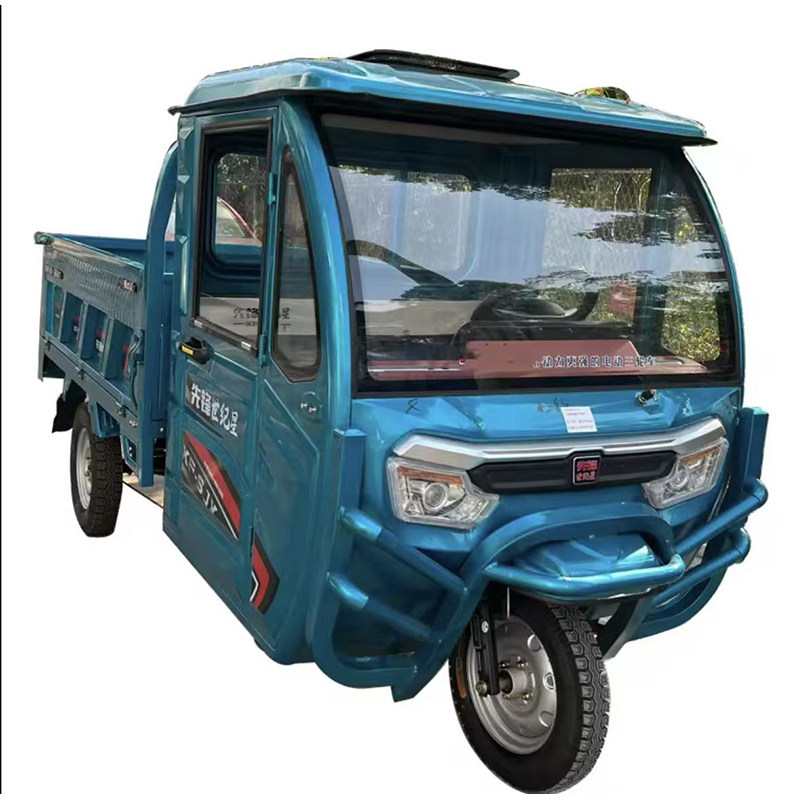
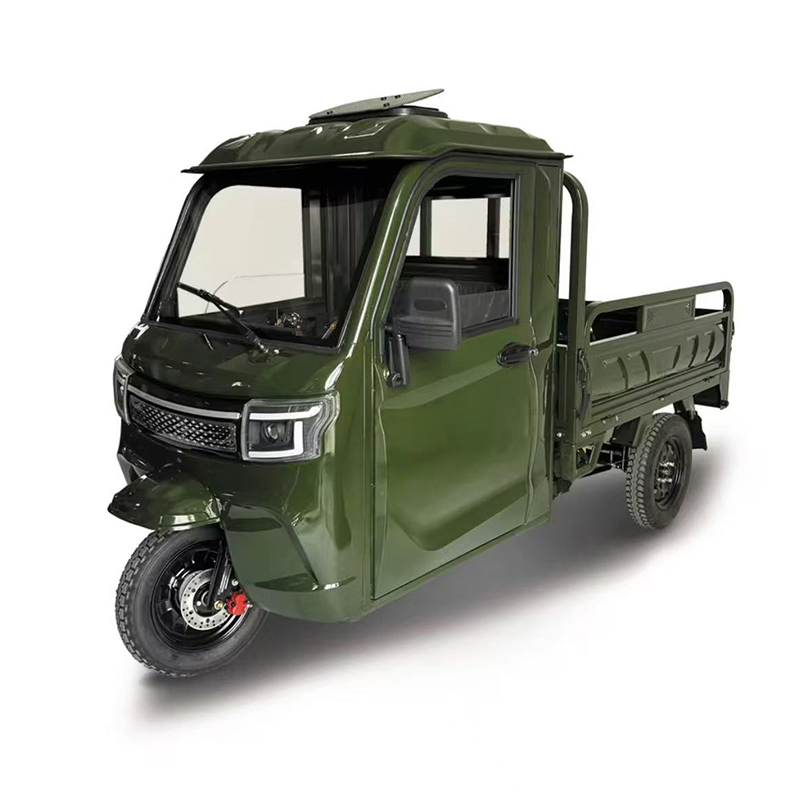
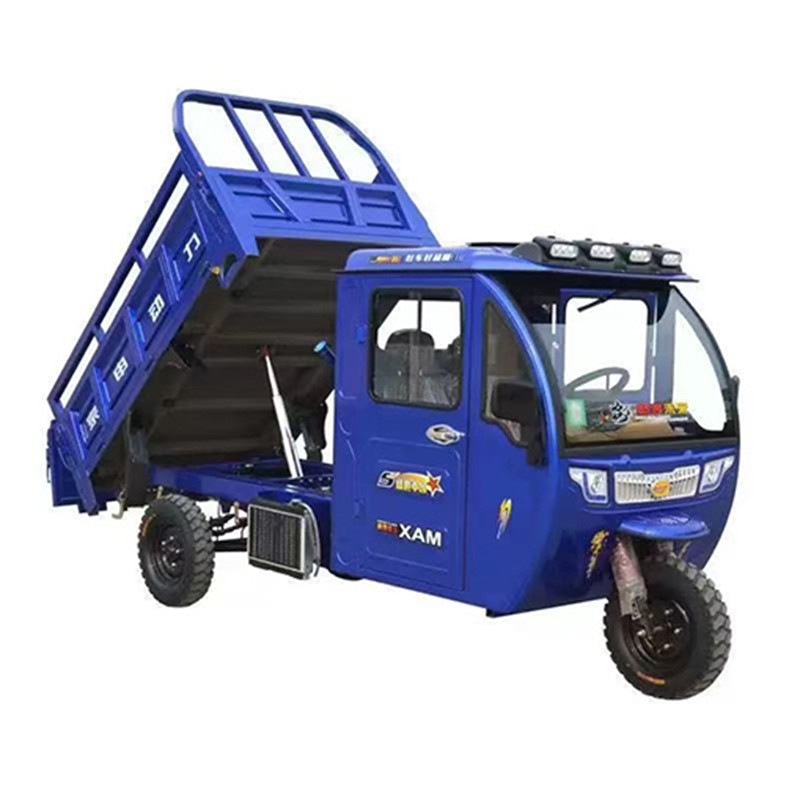
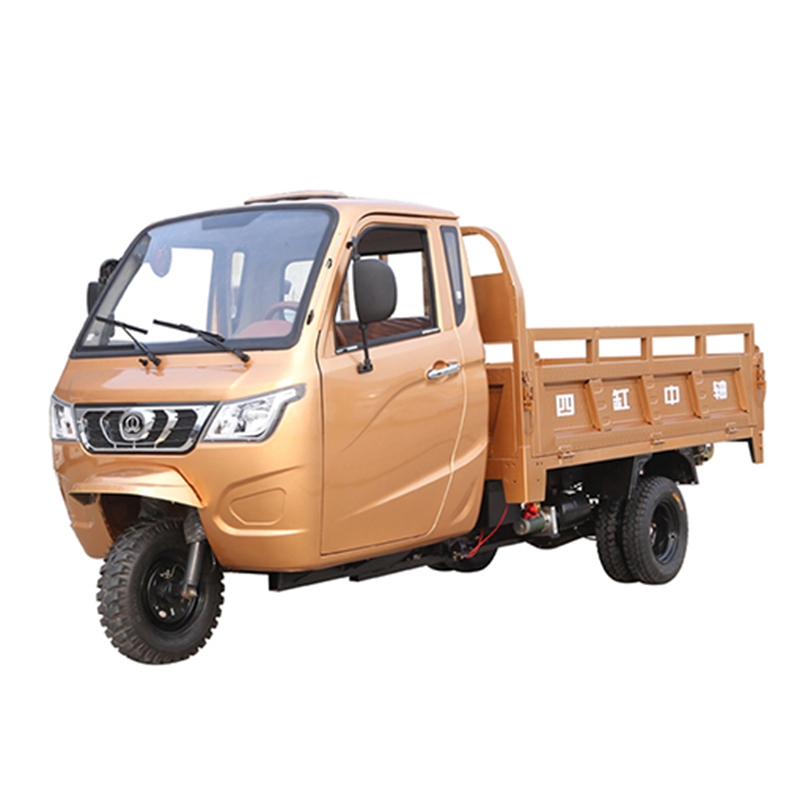
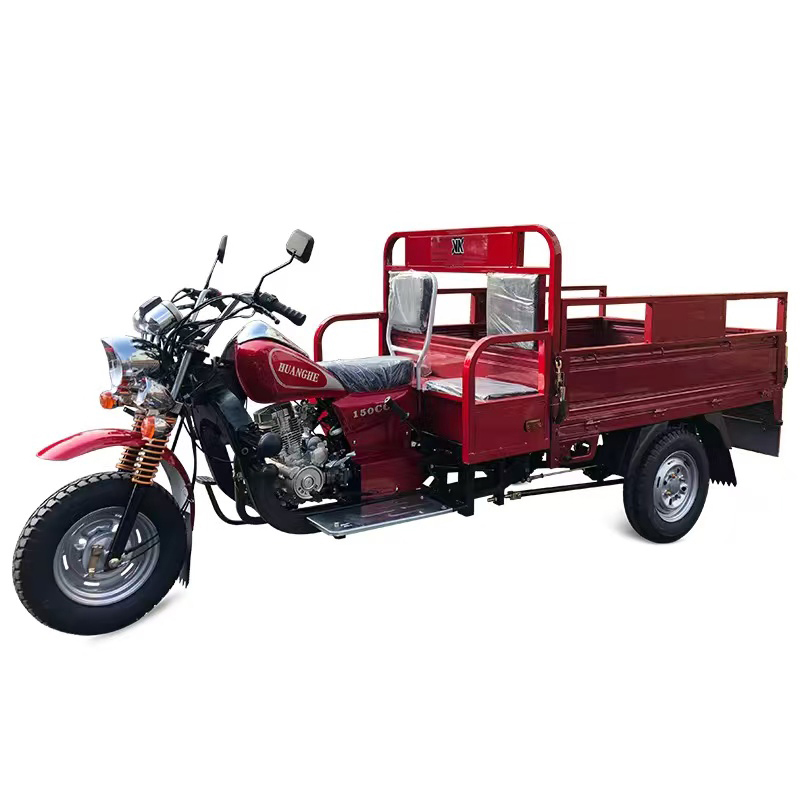
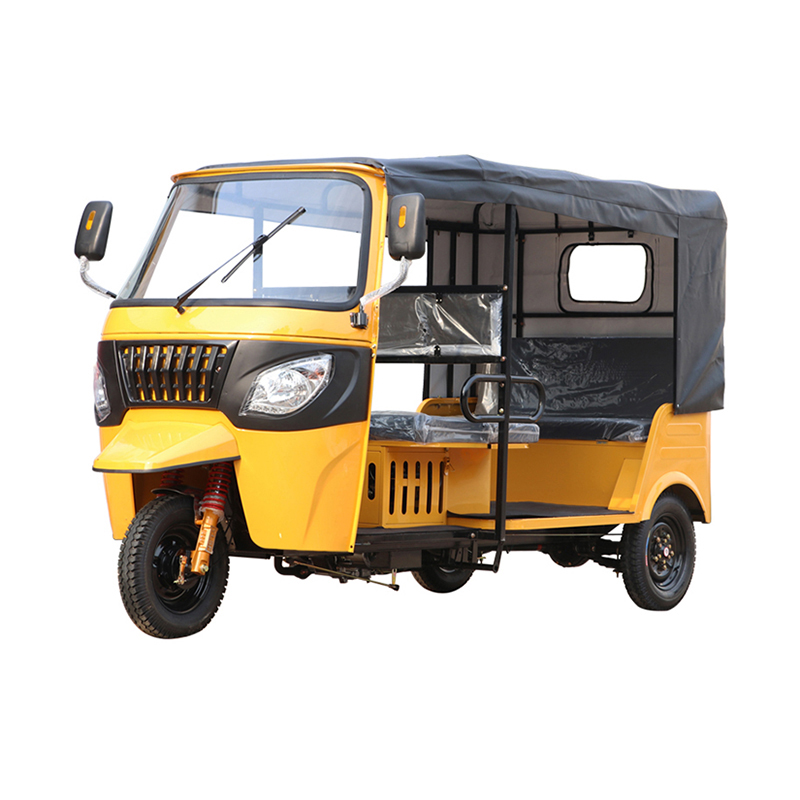
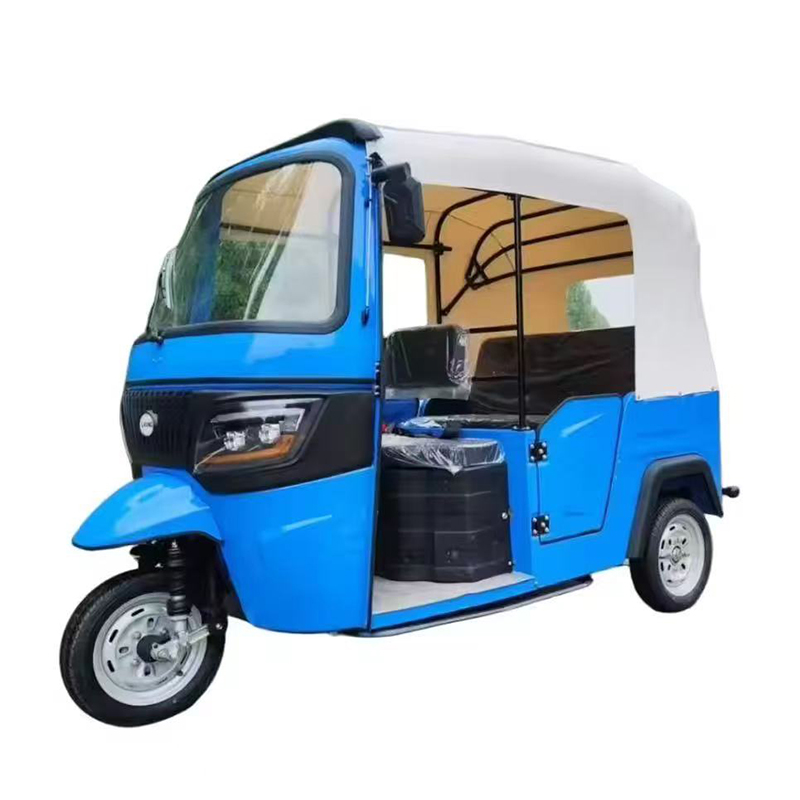
As global industries face mounting pressure to reduce carbon emissions and transition toward sustainable practices, the eco friendly tricycle has emerged as a transformative solution for last-mile delivery, urban logistics, and industrial material handling. This comprehensive guide examines the technological innovations, economic benefits, and strategic considerations that B2B procurement decision-makers must evaluate when integrating green tricycle solutions into their operations.
1. The Strategic Imperative for Sustainable Transportation
The transportation sector accounts for approximately 24% of global CO₂ emissions from fuel combustion, according to the International Energy Agency (IEA). For industrial enterprises, adopting eco friendly tricycle technology represents more than an environmental gesture—it delivers measurable operational advantages including reduced fuel costs, lower maintenance expenses, and enhanced corporate sustainability profiles that resonate with increasingly eco-conscious consumers and regulatory bodies.
Modern eco friendly tricycle designs incorporate advanced electric propulsion systems, regenerative braking, and lightweight composite materials that extend operational range while minimizing environmental impact. Industry data indicates that electric cargo tricycles can reduce operational costs by 60-80% compared to traditional internal combustion alternatives, with payback periods typically ranging from 12 to 24 months depending on usage intensity and local energy costs.
2. Technological Foundations of Modern Eco-Friendly Tricycles
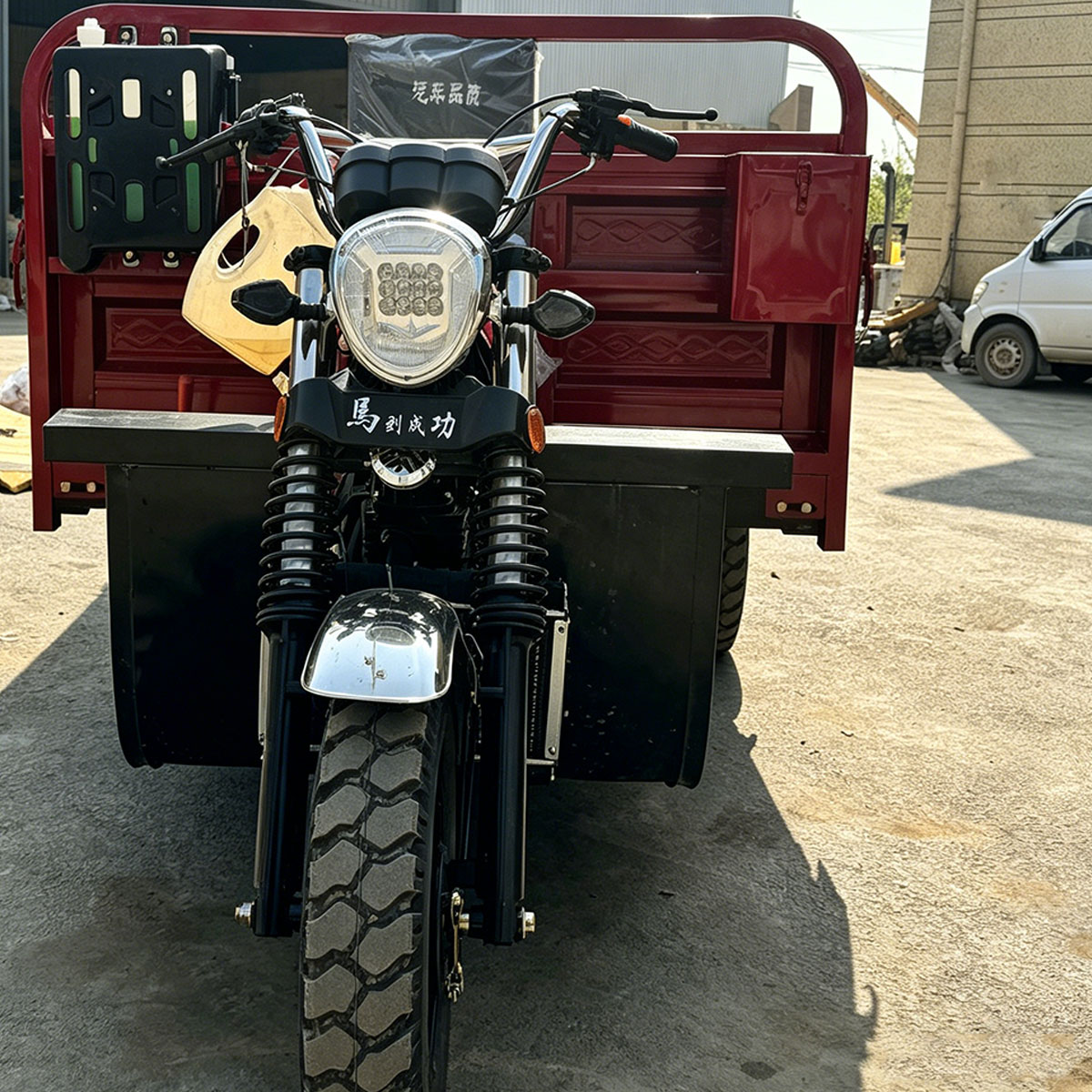
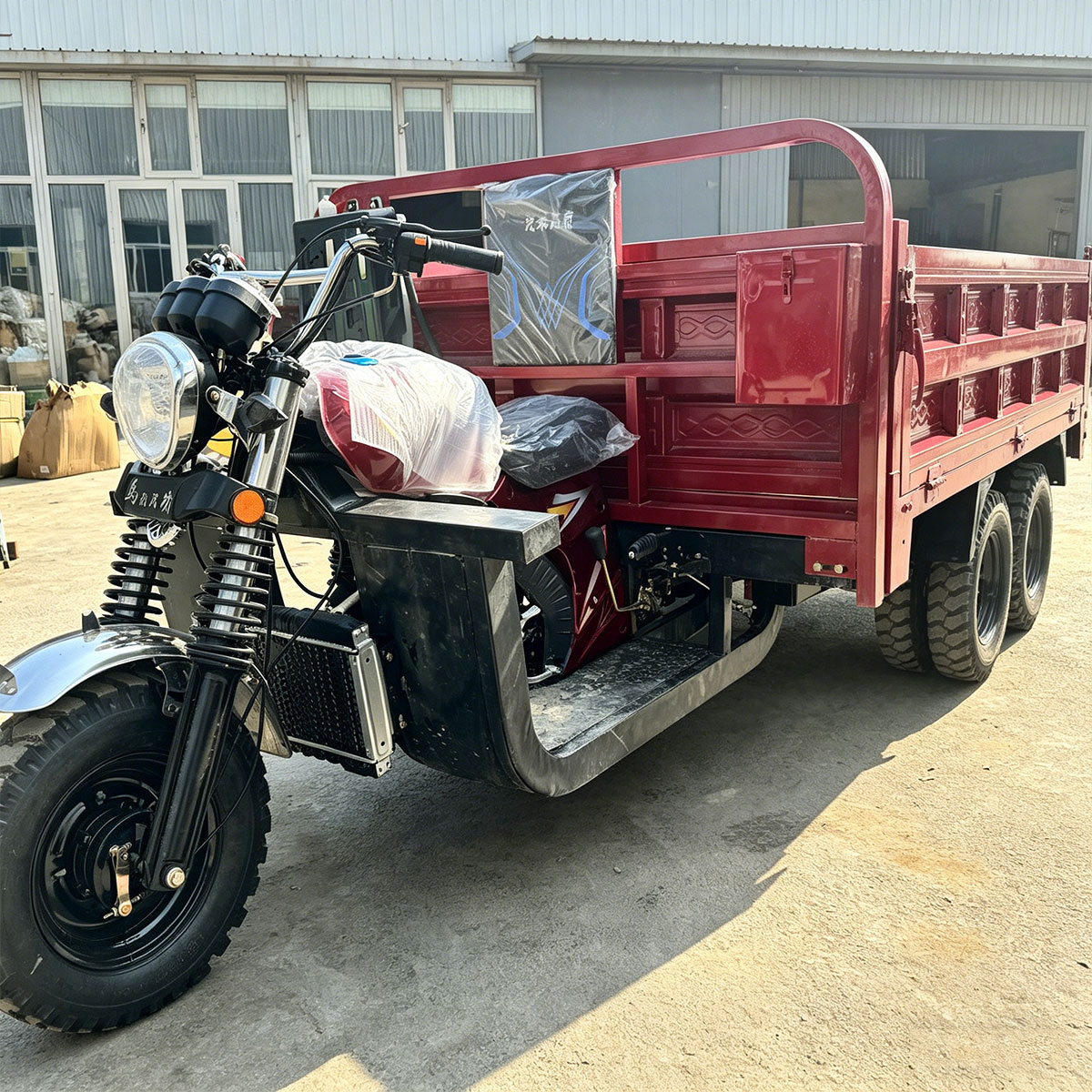
Contemporary eco friendly tricycle engineering integrates several critical technological domains:
Electric Powertrain Systems: High-efficiency brushless DC motors (250W-1500W) coupled with lithium-ion or lithium iron phosphate (LiFePO₄) battery systems delivering 40-120 km range per charge
Smart Energy Management: Regenerative braking systems that recover kinetic energy during deceleration, extending range by 15-25%
Load Optimization: Advanced frame geometries and weight distribution algorithms that maximize cargo capacity (150-500 kg) while maintaining stability and maneuverability
IoT Integration: Telematics systems providing real-time diagnostics, route optimization, and predictive maintenance alerts
3. Industrial Applications and Use Cases
The versatility of the eco friendly tricycle enables deployment across diverse industrial scenarios:
Last-Mile Logistics: E-commerce and courier companies are increasingly adopting electric cargo tricycles for urban deliveries, navigating narrow streets and pedestrian zones inaccessible to larger vehicles. Case studies from European logistics providers demonstrate 30-40% efficiency gains in dense urban environments.
Manufacturing and Warehousing: Within large industrial facilities, eco friendly tricycle vehicles transport materials between production lines, reducing reliance on forklifts for short-distance moves and improving workplace safety through zero-emission operation.
Municipal Services: Cities worldwide deploy electric tricycles for waste collection, park maintenance, and mobile vending, capitalizing on their low noise footprint and zero direct emissions.
4. Economic Analysis and ROI Considerations
B2B procurement teams evaluating eco friendly tricycle investments must consider multiple financial factors:
Acquisition Cost: Electric cargo tricycles typically range from $1,500 to $6,000 per unit, depending on payload capacity, battery capacity, and integrated technologies
Operating Expenses: Electricity costs average $0.02-0.05 per kilometer, compared to $0.08-0.15 per kilometer for gasoline-powered alternatives
Maintenance: Electric powertrains require 50-70% less maintenance than internal combustion engines, with no oil changes, spark plugs, or complex transmission systems
Incentive Programs: Many jurisdictions offer purchase subsidies, tax credits, or exemption from urban access restrictions, improving ROI calculations
5. Regulatory Landscape and Compliance
The regulatory environment increasingly favors eco friendly tricycle adoption. The European Union's Urban Mobility Framework and similar initiatives in Asia and North America establish low-emission zones where electric cargo vehicles receive preferential access. Procurement decision-makers should evaluate:
Local emission standards and compliance requirements
Available subsidies and incentive programs
Infrastructure support (charging stations, dedicated lanes)
Long-term regulatory trajectory indicating accelerated phase-outs of fossil-fuel vehicles in urban areas
6. Key Selection Criteria for B2B Buyers
When procuring eco friendly tricycle solutions, industrial buyers should prioritize:
Payload and Range Requirements: Match vehicle specifications to actual operational profiles, avoiding over-specification that increases costs without proportional benefits
Battery Technology: LiFePO₄ batteries offer superior cycle life (2000-3000 cycles) compared to standard lithium-ion (500-1000 cycles), particularly important for high-utilization fleets
Total Cost of Ownership (TCO): Evaluate acquisition, operating, and disposal costs over the vehicle's expected service life (typically 5-8 years for commercial applications)
After-Sales Support: Assess supplier service networks, spare parts availability, and warranty terms, as these significantly impact long-term operational reliability
Scalability: Consider fleet management systems that accommodate future expansion and integration with existing logistics software
7. Future Technology Trajectories
The eco friendly tricycle sector continues evolving rapidly, with several emerging trends poised to reshape the market:
Swappable Battery Systems: Standardized battery swapping infrastructure reduces downtime and enables continuous 24/7 operations for demanding logistics applications.
Autonomous Capabilities: While still in early stages, semi-autonomous features such as automated docking and convoy tracking are beginning to appear in premium industrial models.
Vehicle-to-Grid (V2G) Integration: Future tricycles may function as distributed energy storage assets, providing grid stabilization services during non-operational periods.
Frequently Asked Questions (FAQ)
Q1: What is the typical lifespan of an eco friendly tricycle in commercial use?
A: With proper maintenance, commercial-grade electric tricycles operate reliably for 5-8 years or 20,000-50,000 kilometers. Battery replacement every 3-4 years is typical, though LiFePO₄ batteries can extend this interval.
Q2: How do weather conditions affect eco friendly tricycle performance?
A: Cold temperatures reduce battery efficiency by 10-30%, while rain and snow impact traction and braking. Industrial operators should select models with appropriate IP ratings (IP54 or higher) for weather protection and consider seasonal range adjustments.
Q3: Can eco friendly tricycles handle steep inclines and heavy loads?
A: High-torque electric motors (specifically mid-drive configurations) provide excellent hill-climbing capability. However, maximum gradient capacity varies by model—typically 8-15° for 300kg payloads. Verify specifications against your operational terrain.
Q4: What charging infrastructure is required for fleet deployment?
A: Standard 110V/220V outlets suffice for overnight charging. For rapid turnaround operations, dedicated charging stations with 16A-32A circuits reduce charging time to 2-4 hours. Fleet operators should allocate 1 charging point per 3-5 vehicles to avoid bottlenecks.
Q5: Are eco friendly tricycles eligible for government incentives?
A: Many countries offer purchase subsidies (10-30% of vehicle cost), tax deductions, or exemption from urban access fees. Consult local transportation authorities or industry associations for current programs applicable to commercial electric vehicle adoption.
Conclusion
The eco friendly tricycle represents a strategic convergence of environmental responsibility, economic efficiency, and technological innovation. For B2B procurement decision-makers, these vehicles offer a compelling value proposition: reduced operating costs, enhanced sustainability credentials, and future-proofing against increasingly stringent emission regulations. As battery technology advances and charging infrastructure expands, the business case for integrating eco friendly tricycle solutions into industrial and logistics operations will only strengthen. Enterprises that act decisively now position themselves at the vanguard of the green transportation revolution while realizing tangible financial and operational benefits.
References
International Energy Agency (IEA). (2023). Transport Outlook 2023: Scenarios for Clean Energy Transitions. Paris: IEA Publishing. https://doi.org/10.1787/transport-outlook-2023-en
European Commission. (2022). Urban Mobility Framework: Making Urban Mobility Greener and Smarter. Brussels: Directorate-General for Mobility and Transport.
Clean Cities Coalition. (2021). Electric Cargo Bicycles and Tricycles: Market Analysis and Deployment Strategies. U.S. Department of Energy.
Webb, J., & Schwanen, T. (2019). "What about the 'cargo' in electric cargo bikes? Analysing the potential of electric cargo bike systems for urban freight deliveries." Logistics and Transport Reviews, 127, 143-162.
Nijland, H., & van Meerkerk, J. (2017). "Mobility and environmental impacts of e-bikes in the Netherlands." Journal of Cleaner Production, 168, 1095-1103.
Renqiu Xianyue Motorcycle Co., Ltd.
Copyright © 2026-2027 https://www.xuanyuetricycle.com. All Rights Reserved Renqiu Xuanyue Motorcycle Co., Ltd.