

 Current location:
NEWS INFORMATION
NEWS INFORMATION
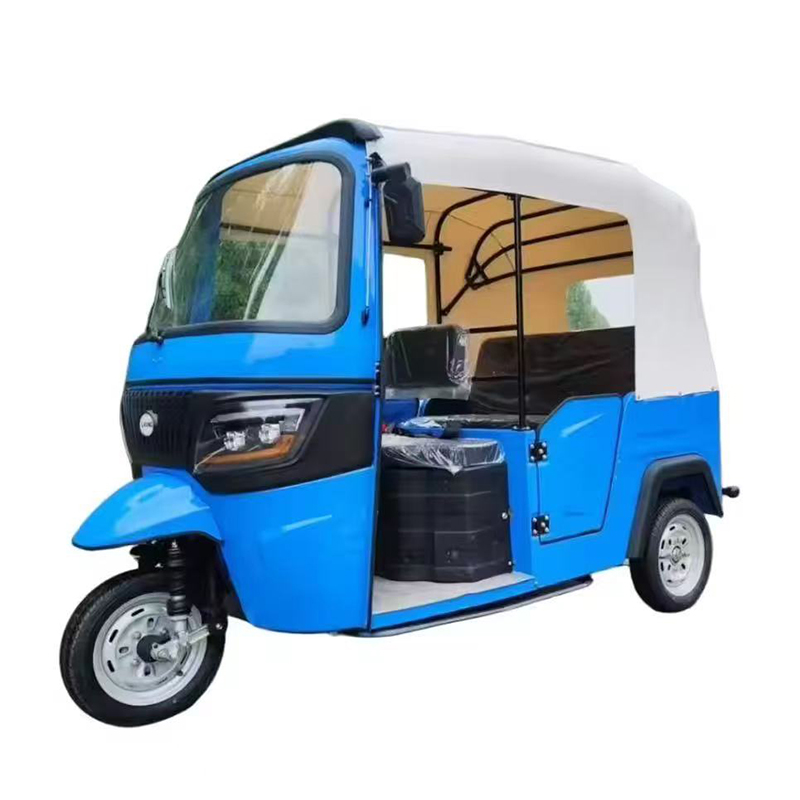
Electric Sightseeing Vehicles for Parks and Resorts
author:xuanyue date:2026-07-12 22:09:07 click:194
The Case for Electric Sightseeing Vehicles in Hospitality Venues
Parks, resorts, and large-scale hospitality venues face a common operational challenge: managing guest transportation across expansive grounds efficiently, sustainably, and in a way that enhances—rather than diminishes—the guest experience. The electric sightseeing vehicle has emerged as the definitive solution for this challenge, replacing diesel shuttles, gas-powered carts, and walk-only premises with a zero-emission, low-noise, guest-friendly alternative. Leading international hotel chains, national park authorities, and resort management companies are increasingly specifying electric sightseeing vehicle fleets as standard infrastructure, driven by both operational economics and guest satisfaction metrics.
Why Electric Sightseeing Vehicles Outperform Conventional Alternatives
The shift from diesel shuttles and combustion-engine carts to electric sightseeing vehicle fleets delivers compounding advantages across multiple operational dimensions:
Zero-emission operation: No tailpipe emissions inside enclosed park environments or resort grounds protects guest health and eliminates the exhaust odor that degrades outdoor dining and spa experiences. This is particularly critical in eco-resorts and conservation areas where environmental footprint is a core brand promise.
Noise reduction: At 50–55 dB, electric electric sightseeing vehicle operation is 25–35 dB quieter than diesel equivalents. Quiet operation preserves the ambient soundscape of natural environments, enables undisturbed conversation during tours, and meets noise ordinances in residential-adjacent park settings.
Operating cost savings: Energy consumption of USD 0.02–0.05 per kilometer versus USD 0.10–0.18 for diesel shuttles represents a 70–80% reduction. Over a 5-year fleet operating period, a 10-vehicle electric sightseeing vehicle fleet saves USD 40,000–80,000 in energy costs alone compared to diesel.
Low-speed operational safety: Most electric sightseeing vehicle models operate at 25–40 km/h—ideal for park and resort environments where pedestrian safety is paramount. The lower speed envelope reduces accident severity and liability exposure significantly.
Regulatory compliance: Expanding low-emission zone designations and sustainability reporting requirements increasingly favor zero-emission fleet adoption. An electric sightseeing vehicle fleet future-proofs venue operations against tightening environmental regulations.
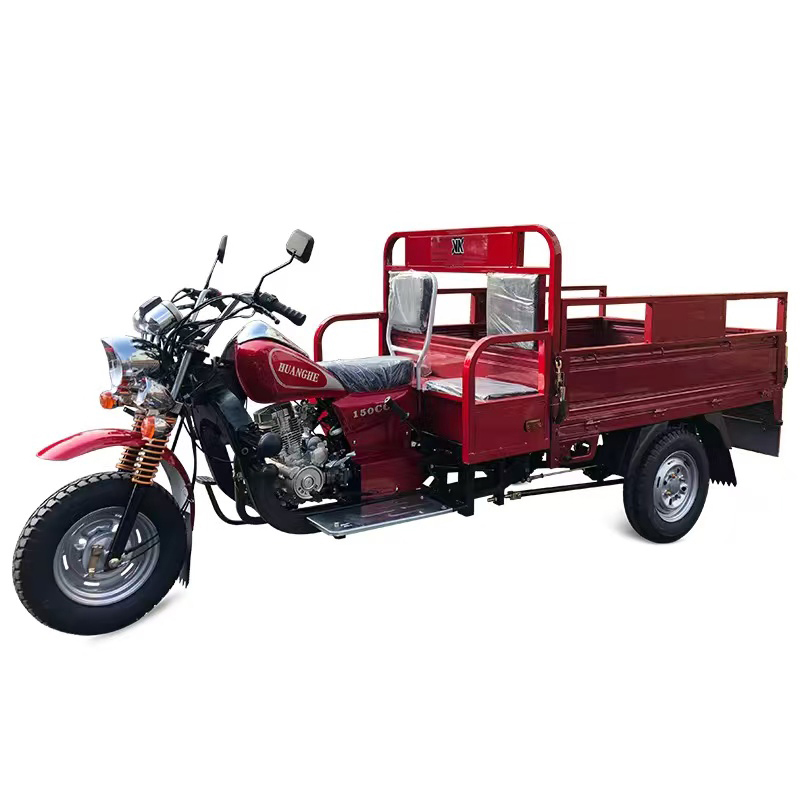
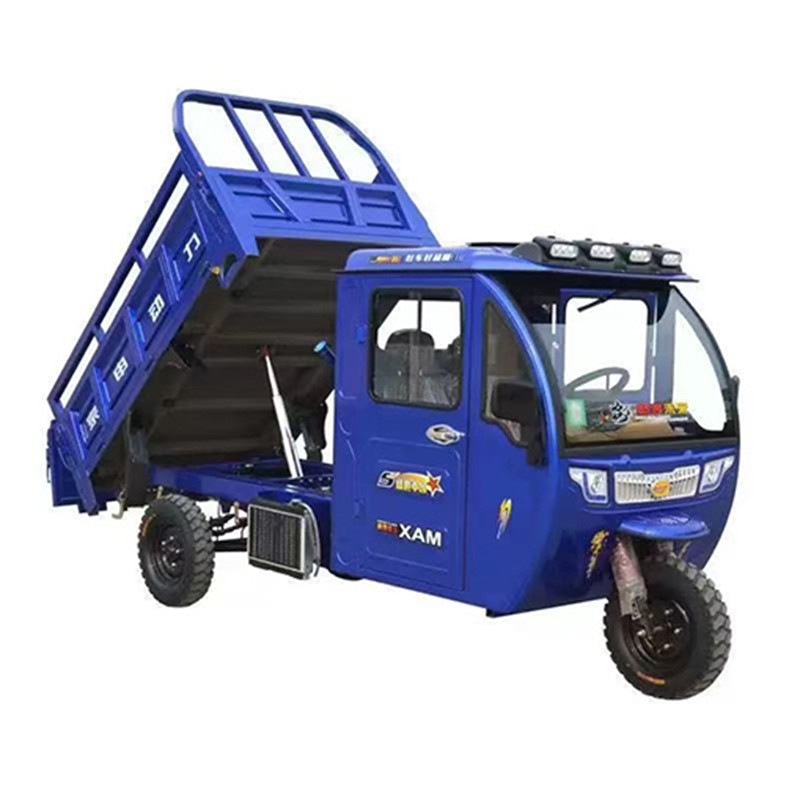
Key Applications Across Park and Resort Settings
The electric sightseeing vehicle serves diverse applications within large hospitality venues:
Guest shuttle transport: Transporting guests between accommodation zones, dining facilities, activity centers, and spa facilities across properties spanning 20–500 hectares. Shuttle frequency of 10–20 minutes per loop maintains service standards without the wait times associated with infrequent diesel bus schedules.
Guided nature and heritage tours: Conducted tours of botanical gardens, wildlife reserves, historical estates, and conservation areas. Silent electric sightseeing vehicle operation enables wildlife observation without disturbance—an advantage unavailable with any combustion engine.
Golf course transport: Traditional golf carts serve players, but upgraded electric sightseeing vehicle models with weather protection and extended range serve course marshals, event coordinators, and hospitality staff more effectively.
Event and conference transport: Large venues hosting weddings, conferences, and festivals require efficient guest movement between parking, registration, breakout sessions, and dining areas. Electric sightseeing vehicle fleets provide premium transport that enhances the perceived quality of the event.
Morning activity shuttles: Sunrise yoga sessions, guided bird-watching walks, and dawn safari departures are enhanced by electric sightseeing vehicle transport that preserves the pre-dawn quietude and atmospheric immersion that guests seek.
Selecting the Right Electric Sightseeing Vehicle Specifications
Choosing the correct electric sightseeing vehicle for a park or resort requires matching technical specifications to operational requirements:
Passenger capacity: 4–8 passengers for standard guest shuttles; 11–14 passengers for high-volume event transport. Larger vehicles improve per-trip throughput but reduce scheduling flexibility.
Range per charge: Venues under 50 hectares can specify vehicles with 60–80 km range. Larger properties exceeding 100 hectares require 100–150 km range or midday charging capability to maintain service frequency.
Battery type: Lead-acid batteries offer lower upfront cost and are adequate for venues with daily distances under 40 km. Lithium-ion batteries provide longer life, faster charging, and consistent range performance—better suited for high-frequency operations.
Charging infrastructure: Standard 220V outlets at depot stations accommodate overnight charging for most electric sightseeing vehicle fleets. High-frequency operations benefit from dedicated charging bays with cable management and battery monitoring systems.
Weather protection: Fully enclosed cabins with climate control suit cold-climate resorts. Open designs with retractable canopies provide flexibility for tropical venues where guests value open-air exposure.
Investment and Return on Investment Analysis
Deploying a electric sightseeing vehicle fleet requires capital investment across vehicle acquisition and infrastructure:
Vehicle acquisition: 4–8 passenger models range from USD 6,000–18,000 per unit; 11–14 passenger models from USD 12,000–25,000. A 6-vehicle fleet represents USD 40,000–90,000 in capital investment.
Charging infrastructure: Depot charging stations with basic cable management: USD 500–2,000 per vehicle. Solar canopy charging installations: USD 3,000–8,000 per bay but offset ongoing energy costs by 30–50% in sunbelt locations.
Operational savings: Energy costs of USD 200–400 annually per vehicle versus USD 1,000–1,500 for diesel. Maintenance savings of USD 800–1,500 annually per vehicle due to 70% fewer moving parts.
Revenue generation: A electric sightseeing vehicle used for paid tours at USD 10–25 per person, with 5–10 passengers per tour, generates USD 100–500 daily additional revenue. Event transport contracts add USD 500–2,000 per event.
Most park and resort operators achieve full fleet payback within 24–36 months, with net annual savings and revenue generation of 20–35% of initial investment thereafter.
Guest Experience Impact and Satisfaction Metrics
The electric sightseeing vehicle influences guest satisfaction through multiple channels that directly impact reviews, repeat bookings, and word-of-mouth referrals:
First impression quality: Arrival by sleek, quiet electric transport from parking or entrance creates a premium arrival experience that sets expectations for the entire stay.
Convenience and time savings: Guests with mobility limitations, young children, or elderly companions value shuttle access that removes physical barriers to enjoying large properties. Electric sightseeing vehicle accessibility directly expands the addressable guest demographic.
Environmental alignment: Eco-conscious travelers—particularly in the millennial and Gen-Z demographics—actively factor sustainability credentials into accommodation decisions. A visible electric sightseeing vehicle fleet reinforces green brand positioning.
Tour quality: Silent electric sightseeing vehicle tours enable wildlife encounters, guide conversations, and ambient appreciation that noisy diesel vehicles disrupt. Higher tour ratings and social media sharing follow naturally.
Maintenance Best Practices for Fleet Operators
Sustaining high fleet availability requires disciplined maintenance practices:
Daily pre-trip inspection: Battery state of charge, tire pressure, brake function, and lighting check takes 5 minutes per vehicle. Daily inspection catches 70–80% of issues before they cause breakdowns.
Battery management: Lead-acid batteries require monthly water level checks; lithium-ion batteries require quarterly capacity verification. Proper battery care extends service life by 30–50% and maintains consistent range performance.
Tire maintenance: Electric sightseeing vehicle tires wear differently from combustion vehicle tires due to instant torque delivery. Monthly tire pressure checks and rotation every 5,000 km extend tire life and maintain safe handling.
Seasonal deep service: Annual full-system inspection by qualified technicians covers electrical connections, motor performance, brake system, suspension, and body integrity. This USD 150–300 investment per vehicle prevents costly mid-season failures.
FAQ
How long does an electric sightseeing vehicle battery last in resort operations?
Lithium-ion battery packs in an electric sightseeing vehicle typically last 4–6 years with daily charging cycles, covering 40,000–60,000 km. Lead-acid batteries last 18–30 months but cost significantly less to replace. Match battery type to expected annual utilization and budget cycle.
Can electric sightseeing vehicles handle steep terrain in mountain resorts?
Yes. Models with 1500W+ motors and 15–25% gradeability handle most resort terrain. Regenerative braking recovers energy on descents, extending effective range by 10–15%. For extreme grades exceeding 25%, specify vehicles with upgraded motor and battery packages.
What is the charging time for electric sightseeing vehicles?
Standard overnight charging from 10% to 90% takes 6–8 hours with a 220V outlet. Fast DC charging systems reduce this to 2–3 hours but require higher infrastructure investment. Most resort fleets recharge fully during off-peak overnight hours without impacting daily operations.
How many electric sightseeing vehicles does a resort need?
A property with 50–100 hectares typically requires 4–8 vehicles for adequate shuttle coverage. Properties exceeding 100 hectares may need 10–20 vehicles. Operations with high-frequency guided tours require dedicated vehicles separate from shuttle fleets.
Are electric sightseeing vehicles safe for transporting children?
Most electric sightseeing vehicle models include seat belts, child-safe door locks, and low step-in heights that make them suitable for families. Some operators specify vehicles with child-specific booster seats for enhanced safety on family-oriented tours.
Conclusion
The electric sightseeing vehicle has transitioned from an emerging technology to a standard hospitality infrastructure component for parks, resorts, and large-scale venues. With 70–80% lower energy costs, zero emissions and near-silent operation, compliance with expanding environmental regulations, and measurable positive impact on guest satisfaction scores, the business case for fleet electrification is compelling and increasingly urgent. Venues that invest in electric sightseeing vehicle fleets today benefit from available government incentives, first-mover brand positioning in sustainability-conscious markets, and long-term operational cost advantages that compound year over year. The question for park and resort operators is no longer whether to electrify—but how quickly to transition and how large a fleet to deploy.
References
Gössling, S., & Buckley, R. (2023). "Carbon-Neutral Tourism: The Role of Electric Vehicles in Park and Resort Operations." Journal of Sustainable Tourism, 31(6), 1420–1440.
Park, E., & Oh, K. (2024). "Guest Satisfaction and Sustainable Transportation: Evidence from Electric Shuttle Adoption in Resorts." International Journal of Hospitality Management, 118, 103–115.
Xu, H., & Shen, Q. (2023). "Battery Electric Vehicle Adoption in Tourism and Recreation Venues: A Cost-Benefit Framework." Transportation Research Part D, 120, 103–117.
Higgins, C., & Narayanan, Y. (2024). "Silent Safari: Electric Vehicle Tours and Wildlife Disturbance Reduction." Journal of Ecotourism, 23(2), 178–195.
UNWTO. (2024). "Sustainable Hotel Operations: Fleet Electrification as a Pathway to Net-Zero." World Tourism Organization Technical Papers, No. 58.
Renqiu Xianyue Motorcycle Co., Ltd.
Copyright © 2026-2027 https://www.xuanyuetricycle.com. All Rights Reserved Renqiu Xuanyue Motorcycle Co., Ltd.