

 Current location:
NEWS INFORMATION
NEWS INFORMATION
Electric Tuk Tuk vs Gas Tuk Tuk: Which Is Better?
author:xuanyue date:2026-07-09 02:43:56 click:166
Market Context: The Powertrain Transition in Three-Wheelers
The global three-wheeler market is undergoing a fundamental powertrain shift. In 2024, electric tuk tuk sales reached 58% of new registrations in India and 42% in Southeast Asia, driven by government incentives, rising fuel costs, and expanding charging infrastructure. For fleet operators and importers, the choice between electric tuk tuk and gas (petrol/LPG/CNG) models is no longer theoretical—it is a strategic investment decision with 5–7 year implications. This analysis provides a data-driven framework for making the right choice based on operational profiles, regulatory environment, and total cost of ownership.
Range, Charging, and Refueling Considerations
Range anxiety remains the primary objection to electric tuk tuk adoption, though real-world data often contradicts perception:
Electric tuk tuk range: 80–130 km per charge (lead-acid) to 100–160 km (lithium-ion)
Gas tuk tuk range: 200–350 km per tank with 2-minute refueling
Critical context: average urban electric tuk tuk routes cover 60–90 km per day, well within single-charge capability. Operators running extended shifts (120+ km) require midday charging (2–3 hours at standard outlet) or battery swap systems (3–5 minute exchange). Gas models provide unlimited range with quick refueling but face growing restrictions in emission-controlled zones where electric tuk tuk operation is unrestricted.
Maintenance and Durability Comparison
The electric tuk tuk offers decisive maintenance advantages due to mechanical simplicity:
Electric powertrain components: Motor, controller, battery, throttle—fewer than 20 moving parts
Gas powertrain components: Engine, transmission, carburetor/fuel injection, spark plugs, exhaust, clutch, air filter—200+ moving parts
Annual maintenance costs reflect this complexity gap:
Electric tuk tuk: USD 150–350/year (brake service, tire replacement, battery maintenance)
Petrol tuk tuk: USD 400–700/year (oil changes, spark plugs, valve adjustments, carburetor cleaning, clutch replacement)
CNG tuk tuk: USD 350–600/year (similar to petrol plus cylinder inspection every 3 years)
Battery replacement represents the largest maintenance cost for electric tuk tuk operators. Lead-acid batteries require replacement every 18–24 months at USD 300–600. Lithium-ion batteries last 4–6 years with replacement cost of USD 800–1,500. Prudent operators budget USD 250–400 annually for battery reserves.
Performance Characteristics: Torque, Speed, and Passenger Experience
Performance differences between electric tuk tuk and gas models affect both operations and passenger comfort:
Acceleration: Electric motor delivers instant torque, providing 15–25% faster 0–40 km/h acceleration—advantageous in stop-and-go urban traffic
Maximum speed: Both limited to 45–55 km/h for three-wheeler classification; electric models may hit speed limiter more frequently on open roads
Gradeability: Gas models with 200+ cc engines outperform electric on sustained 15%+ gradients; electric electric tuk tuk with 1500W+ motors closes this gap
Noise and vibration: Electric operation at 50–55 dB vs. 75–85 dB for gas; significantly improved passenger comfort and driver fatigue reduction
Heat: Gas engines generate cabin heat in enclosed designs; electric eliminates this issue entirely
For passenger transport operations in urban areas, the electric tuk tuk delivers superior passenger experience, supporting premium pricing and repeat business.
Regulatory Environment and Market Access
Regulatory trends strongly favor electric tuk tuk adoption:
Emission zones: Over 300 cities worldwide operate low-emission zones (LEZ) or ultra-low emission zones (ULEZ) restricting or charging gas vehicles; electric vehicles exempt
Noise regulations: Heritage sites, wildlife reserves, and residential zones increasingly mandate noise limits below 60 dB—excluding gas models
Government procurement: Public transport tenders increasingly specify zero-emission vehicles; electric tuk tuk qualifies while gas does not
Carbon pricing: Emerging carbon taxes on commercial fleets penalize gas vehicle operators; electric exempt
Operators purchasing gas tuk tuks today face increasing regulatory constraints over the 5–7 year vehicle lifespan, potentially stranding assets in restricted zones.
FAQ
Which is more profitable: electric tuk tuk or gas tuk tuk?
For urban passenger transport averaging 60–90 km per day, the electric tuk tuk delivers 25–40% higher net profit due to lower energy and maintenance costs. For operators running 120+ km daily without charging access, gas models may remain competitive, though this gap narrows as charging infrastructure expands.
How long does an electric tuk tuk battery last?
Lead-acid batteries: 18–24 months with daily use. Lithium-ion batteries: 4–6 years or 1,500–2,000 charge cycles. Temperature management and avoiding deep discharge below 20% extends battery life significantly for electric tuk tuk fleets.
Can I convert my gas tuk tuk to electric?
Retrofit conversion kits are available for USD 1,500–3,000 including motor, controller, and battery pack. However, converted vehicles may lack the optimized weight distribution and structural integration of factory-built electric tuk tuk models. Evaluate conversion ROI carefully against full replacement.
Is electric tuk tuk suitable for hilly cities?
Yes, with proper motor specification. Electric tuk tuk models with 1500W+ motors and lithium-ion batteries handle 15–20% gradients. Regenerative braking recovers 10–15% energy on descents. For extreme terrain exceeding 20% sustained grades, gas models with 200+ cc engines retain advantages.
What happens if the battery runs out during operation?
Modern electric tuk tuk units include battery management systems (BMS) that provide low-charge warnings at 20% capacity, with reduced-power limp mode at 10%. Operators should plan routes within 80% of rated range. Roadside charging via portable chargers or battery swap networks provides emergency recovery.
Conclusion
The choice between electric tuk tuk and gas models hinges on operational profile, regulatory environment, and planning horizon. For urban operators averaging 60–90 km per day with access to overnight charging, the electric tuk tuk delivers superior total cost of ownership, regulatory compliance, and passenger experience. Gas models remain viable for extended-range applications in regions with limited charging infrastructure and minimal emission restrictions. However, the trajectory of regulation, fuel costs, and technology strongly favors electric, and operators investing in electric tuk tuk fleets today position themselves advantageously for the inevitable transition.
References
International Energy Agency. (2024). "Global EV Outlook 2024: Electric Three-Wheeler Market Trends." IEA Flagship Reports.
Kumar, R., & Singh, P. (2023). "Total Cost of Ownership Comparison: Electric vs. ICE Three-Wheelers in Indian Urban Transport." Energy Policy, 177, 113–128.
Bansal, A., & Sharma, N. (2022). "Electric Vehicle Adoption Barriers in Emerging Markets: A Three-Wheeler Case Study." Transportation Research Part D, 103, 103–117.
World Bank. (2024). "Electric Mobility Transition in Developing Countries: Policy Frameworks and Incentive Mechanisms." World Bank Transport Papers, No. 192.
Peng, Y., & Lu, H. (2023). "Battery Technology and Lifecycle Economics for Electric Three-Wheeler Fleets." Journal of Power Sources, 558, 232–245.
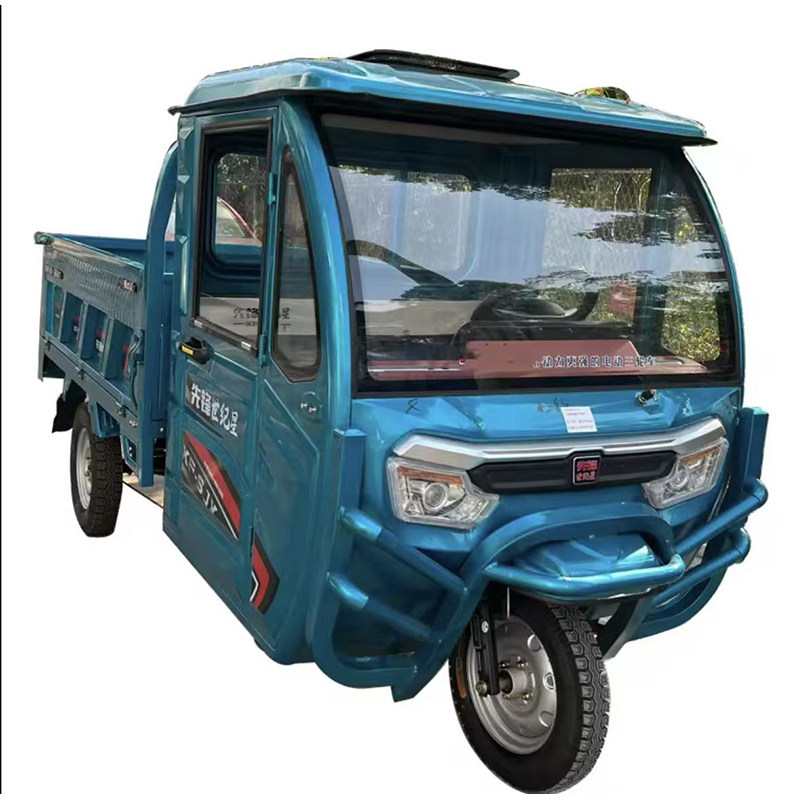
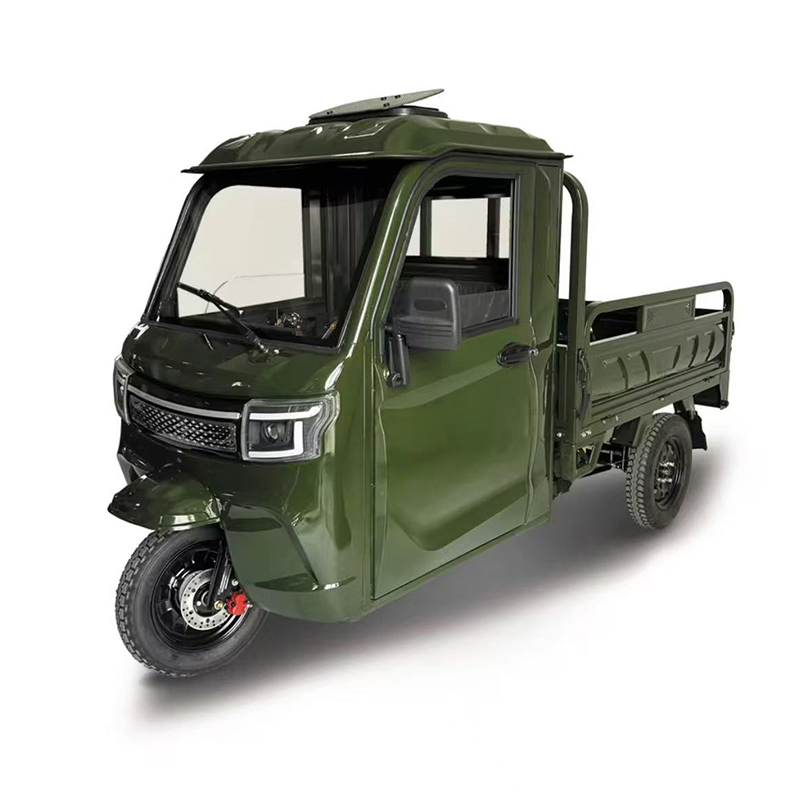
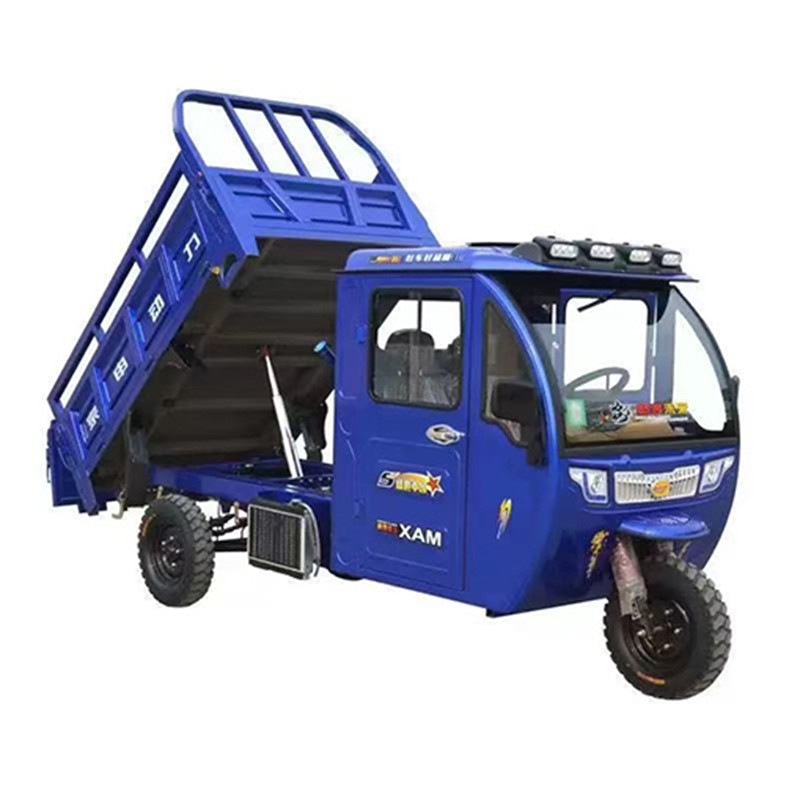
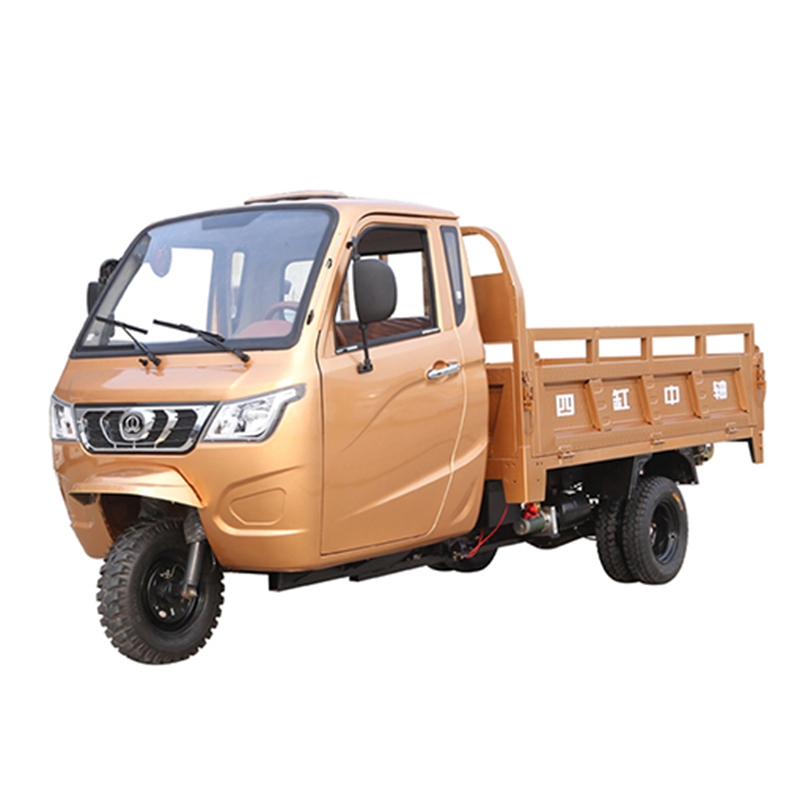
Renqiu Xianyue Motorcycle Co., Ltd.
Copyright © 2026-2027 https://www.xuanyuetricycle.com. All Rights Reserved Renqiu Xuanyue Motorcycle Co., Ltd.