

 Current location:
NEWS INFORMATION
NEWS INFORMATION
How to Choose a Reliable Tuk Tuk Manufacturer
author:xuanyue date:2026-06-21 06:27:17 click:150
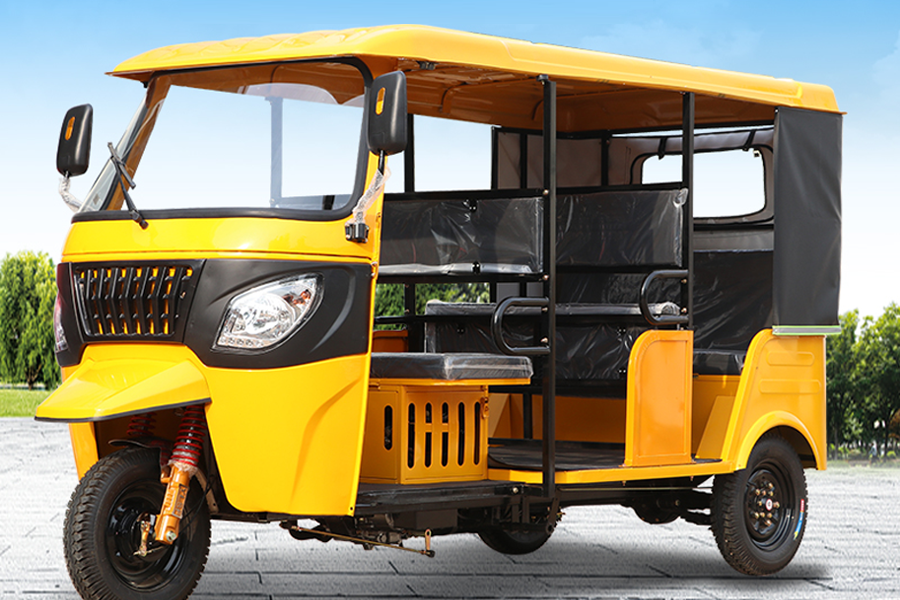
Selecting a trustworthy tuk tuk manufacturer represents one of the most consequential decisions for B2B buyers, distributors, and fleet operators. The global three-wheeler manufacturing landscape spans from established multinationals to small-scale workshops, with quality and reliability varying dramatically across suppliers. This guide provides a structured evaluation framework to identify manufacturers capable of delivering consistent quality, regulatory compliance, and long-term partnership value.
1. Production Capacity and Facility Assessment
A reliable tuk tuk manufacturer must demonstrate adequate production capacity to fulfill your order volumes within agreed timelines. Key assessment criteria include:
Annual Production Volume: Established manufacturers typically produce 10,000-100,000+ units annually. Verify claims through factory audits or third-party verification
Production Lines: Dedicated assembly lines with defined workflow reduce quality variability. Minimum 2-3 parallel lines indicate scalability
Workforce Size: 150-500+ skilled workers suggest stable operations. High turnover rates (>30% annually) indicate potential quality risks
Automation Level: Welding robots, CNC machining centers, and automated paint booths improve consistency and reduce defects
For B2B buyers requiring 50-500 units monthly, prioritize tuk tuk manufacturer partners with minimum 5,000-10,000 unit annual capacity to ensure scalability without quality compromise.
2. Quality Management Systems and Certifications
Certifications provide objective validation of a tuk tuk manufacturer's quality management capabilities:
| Certification | Scope | Importance for B2B Buyers |
|---|---|---|
| ISO 9001:2015 | Quality Management Systems | Essential - demonstrates systematic quality control processes |
| ISO 14001:2015 | Environmental Management | Important for sustainability-focused markets (EU, North America) |
| IATF 16949 | Automotive Quality Management | Premium - indicates automotive-grade quality standards |
| CCC Certification | China Compulsory Certificate | Mandatory for manufacturers exporting from China |
| CE Marking | European Conformity | Required for EU market access |
Beyond certifications, evaluate the tuk tuk manufacturer's internal quality control processes: incoming material inspection, in-process quality checks, final product testing protocols, and defect tracking systems.
3. Supply Chain and Component Sourcing
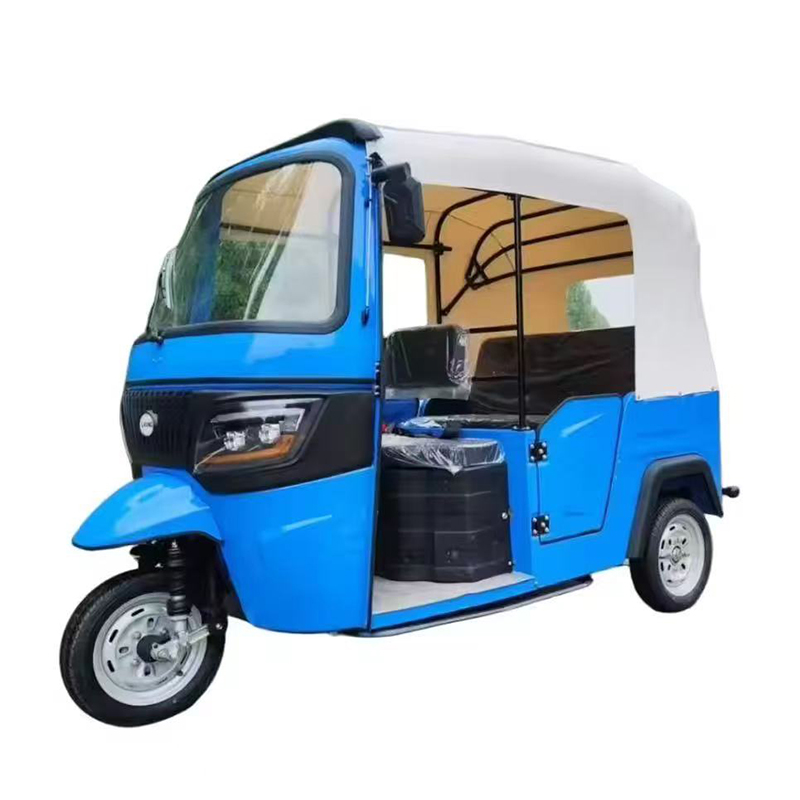
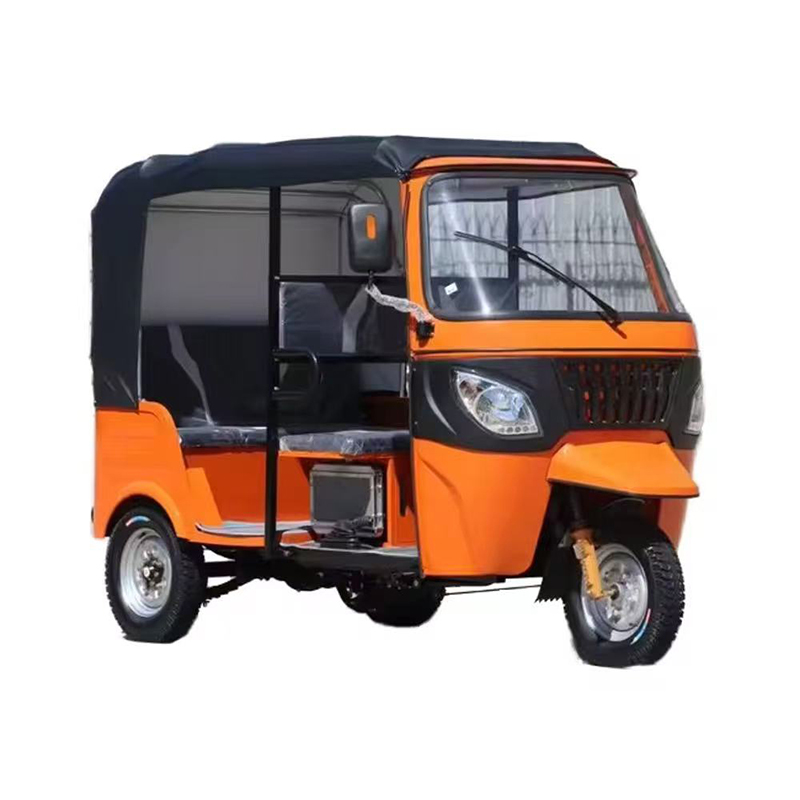
The reliability of a tuk tuk manufacturer depends heavily on their supply chain robustness:
Which engine/motor brands are used? (Bajaj, Piaggio, Chang'an, Wuxi Hodaka, QS Motor)
Are batteries sourced from tier-1 suppliers? (CATL, BYD, Lishen, Panasonic)
What is the localization rate of components? (Higher = faster spare parts availability)
How many alternative suppliers exist for critical components?
What are the documented supplier quality agreements?
Top-tier tuk tuk manufacturer partners maintain relationships with reputable component suppliers and stock 30-60 days of critical inventory to mitigate supply chain disruptions.
4. Research & Development Capabilities
Innovation capacity distinguishes leading tuk tuk manufacturer companies from mere assemblers:
Engineering Team Size: 10-50+ dedicated R&D engineers indicate serious innovation investment
Testing Facilities: In-house dynamometers, environmental chambers, and crash test capabilities demonstrate engineering rigor
Patent Portfolio: 5-50+ utility patents signal technological differentiation
New Model Frequency: Reliable manufacturers launch 1-2 new or refreshed models annually
Customization Capability: Ability to modify chassis, body, or electrical systems for OEM customers
For B2B buyers, a tuk tuk manufacturer with strong R&D capabilities ensures access to evolving technology, regulatory compliance updates, and customization options that differentiate your market offering.
5. Financial Stability and Business Longevity
Supplier financial health directly impacts supply continuity and warranty fulfillment:
Years in Operation: Prefer manufacturers with 5+ years of proven operations. Startups (<2 years) carry higher risk
Export Experience: Minimum 3 years of documented export sales to your target regions
Financial Audits: Request audited financial statements or credit reports (Dun & Bradstreet, Experian)
Bank References: Verify banking relationships and credit lines as indicators of financial stability
Insurance Coverage: Product liability insurance ($1M+ coverage) protects against defect claims
6. After-Sales Support Infrastructure
A reliable tuk tuk manufacturer provides comprehensive after-sales ecosystems:
| Support Element | Minimum Standard | Premium Standard |
|---|---|---|
| Warranty Period | 12 months / 10,000 km | 24 months / 20,000 km |
| Spare Parts Availability | 3 years guaranteed | 7-10 years guaranteed |
| Technical Documentation | Basic manual (PDF) | Multilingual interactive digital platform |
| Response Time | 72 hours (email) | 24 hours (phone/WhatsApp/email) |
| On-Site Support | Not available | Available for large orders (100+ units) |
Evaluate whether the tuk tuk manufacturer has established service partnerships or spare parts distribution in your country/region.
7. Reference Checks and Customer Testimonials
Due diligence must include verification from existing customers:
Request contact information for 5+ reference customers in your region or similar markets
Ask specific questions: defect rates, warranty claim processing time, spare parts delivery speed, communication responsiveness
Check online reputation: Alibaba/TradeKey reviews, industry forums, social media feedback
Visit trade shows (Auto Expo, Canton Fair, CES) to meet the manufacturer in person and inspect product quality firsthand
Frequently Asked Questions (FAQ)
Q1: What is the typical minimum order quantity (MOQ) for reliable tuk tuk manufacturers?
A: Established manufacturers typically require 20-100 unit MOQs for standard models. Customized orders (OEM/ODM) may require 200-500 unit MOQs. Be wary of manufacturers accepting single-digit orders—this often indicates trading companies rather than actual factories.
Q2: How can I verify a manufacturer's claimed production capacity?
A: Conduct a virtual or on-site factory audit. Key indicators: number of welding stations, paint booth throughput, assembly line speed (units/hour), and inventory levels of raw materials and finished goods. Third-party inspection agencies can perform this verification objectively.
Q3: What warranty terms should I expect from a reliable tuk tuk manufacturer?
A: Minimum 12-month warranty covering structural frame, engine/motor, transmission, and electrical system. Premium manufacturers offer 24-month warranties. Ensure warranty terms are clearly defined in the sales contract, including claim procedures and replacement part delivery timelines.
Q4: How important is it that the manufacturer has experience exporting to my country?
A: Highly important. Manufacturers with existing exports to your market understand local regulations, certification requirements, and common usage conditions. They are also more likely to have established service networks or spare parts distributors in your region.
Q5: Should I prioritize price or manufacturer reliability?
A: Reliability should take precedence. A $500-1,000 per unit price difference is negligible compared to the long-term costs of poor quality: higher defect rates, frequent breakdowns, customer dissatisfaction, and warranty claim processing. Total cost of ownership—not purchase price—should drive decision-making.
Conclusion
Choosing a reliable tuk tuk manufacturer requires systematic evaluation across production capacity, quality systems, supply chain robustness, R&D capabilities, financial stability, and after-sales support. B2B buyers who invest in thorough due diligence—including factory audits, reference checks, and certification verification—mitigate substantial operational and reputational risks. In an increasingly competitive market, your manufacturer partnership is not merely a procurement transaction but a strategic alliance that determines your ability to deliver quality, comply with regulations, and satisfy end-customers. Prioritize manufacturers demonstrating transparency, technical competence, and commitment to long-term relationship building over those offering the lowest price without substantiated capabilities.
References
International Organization for Standardization (ISO). (2015). ISO 9001:2015 Quality Management Systems - Requirements. Geneva: ISO.
McKinsey & Company. (2022). The Automotive Supplier of the Future: Strategies for Success. McKinsey Center for Future Mobility.
Deloitte. (2023). Global Automotive Supplier Study 2023: Navigating Disruption and Building Resilience. Deloitte Touche Tohmatsu Limited.
International Trade Centre (ITC). (2021). Standards and Quality in the Automotive Value Chain: A Guide for SMEs. Geneva: ITC.
KPMG. (2023). Global Automotive Executive Survey 2023: Navigating the Transformation. KPMG International.
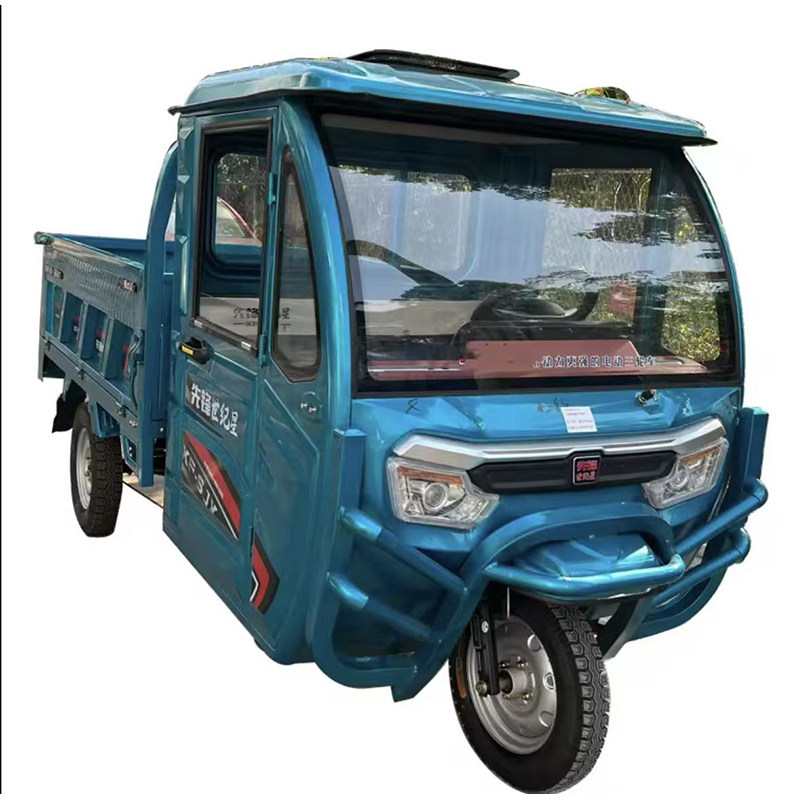
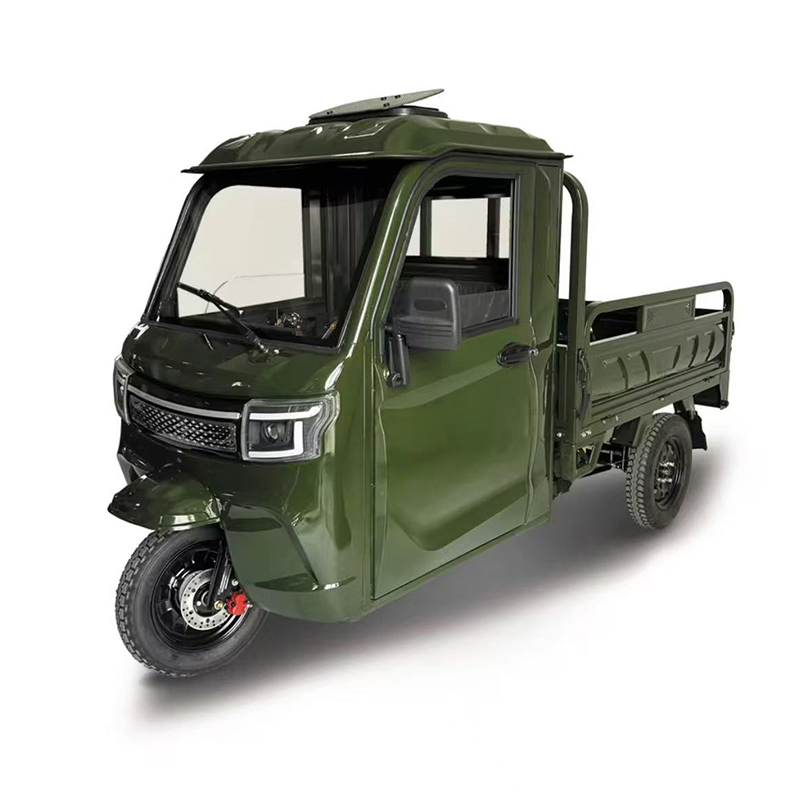
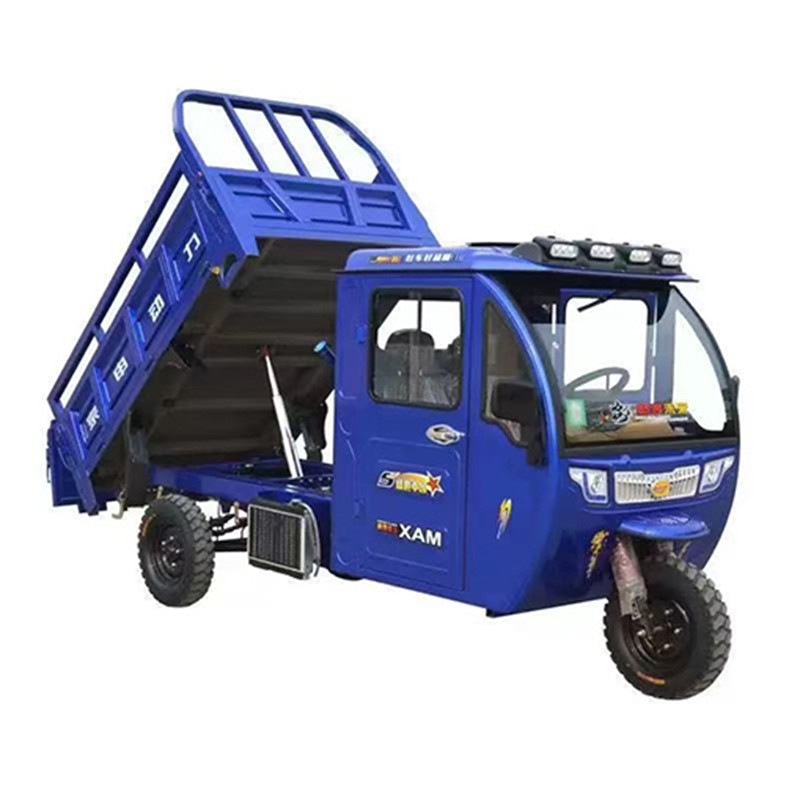
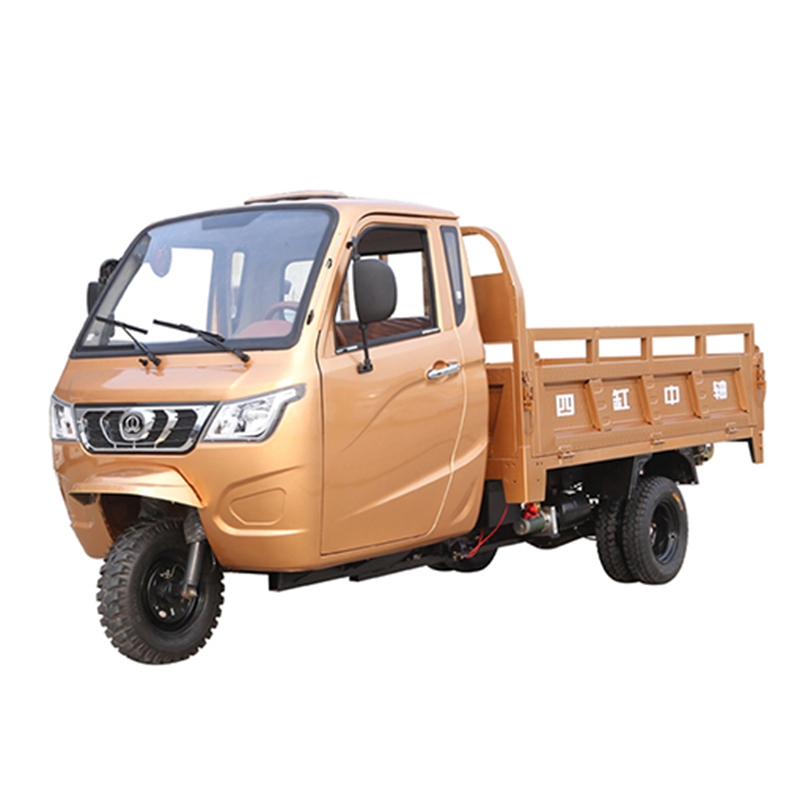
Renqiu Xianyue Motorcycle Co., Ltd.
Copyright © 2026-2027 https://www.xuanyuetricycle.com. All Rights Reserved Renqiu Xuanyue Motorcycle Co., Ltd.