

 Current location:
NEWS INFORMATION
NEWS INFORMATION
Passenger Tuk Tuk for Urban Transport: Complete Guide
author:xuanyue date:2026-07-10 03:33:37 click:79
The Role of Tuk Tuks in Urban Mobility Systems
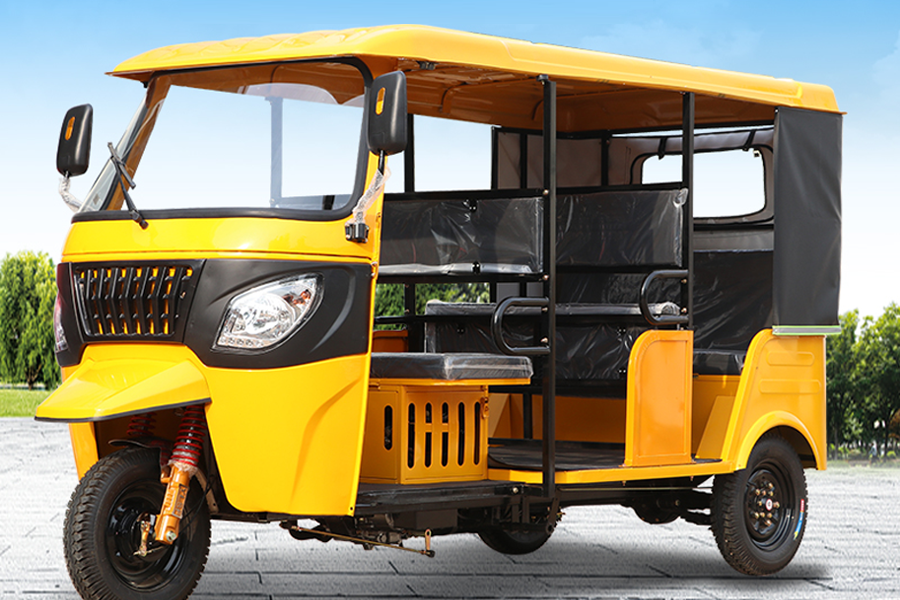
The passenger tuk tuk serves as a critical intermediate public transport mode, bridging the gap between walking and formal bus or rail systems. In cities across South Asia, Southeast Asia, Sub-Saharan Africa, and parts of Latin America, three-wheeled passenger vehicles carry an estimated 50–70% of informal public transport trips. For fleet operators, municipal transport authorities, and investors, understanding the economics, specifications, and regulatory landscape of the passenger tuk tuk is essential for capitalizing on this USD 25+ billion global market.
Seating Configurations and Passenger Capacity
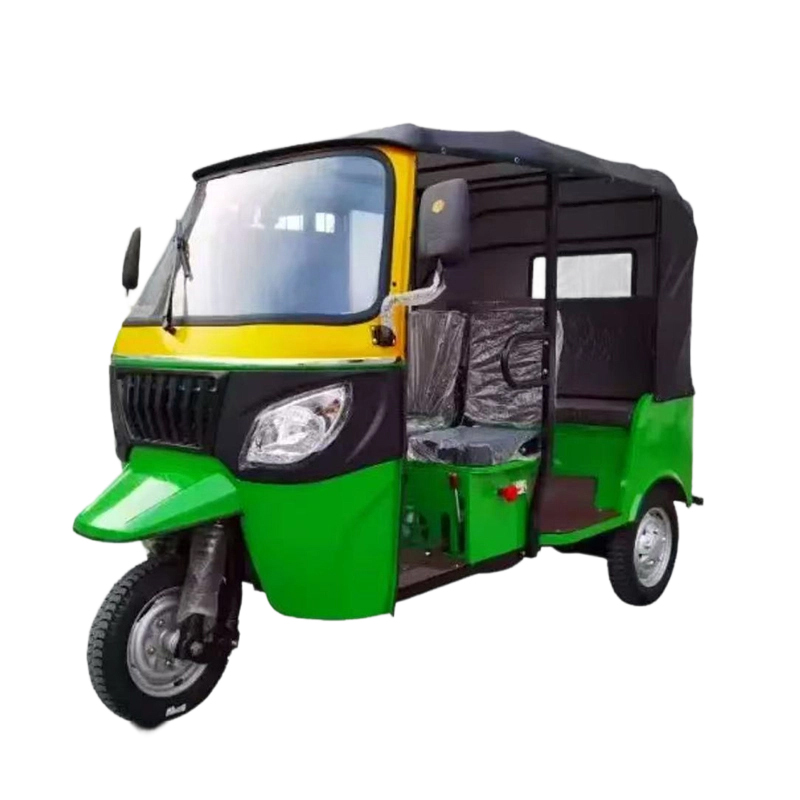
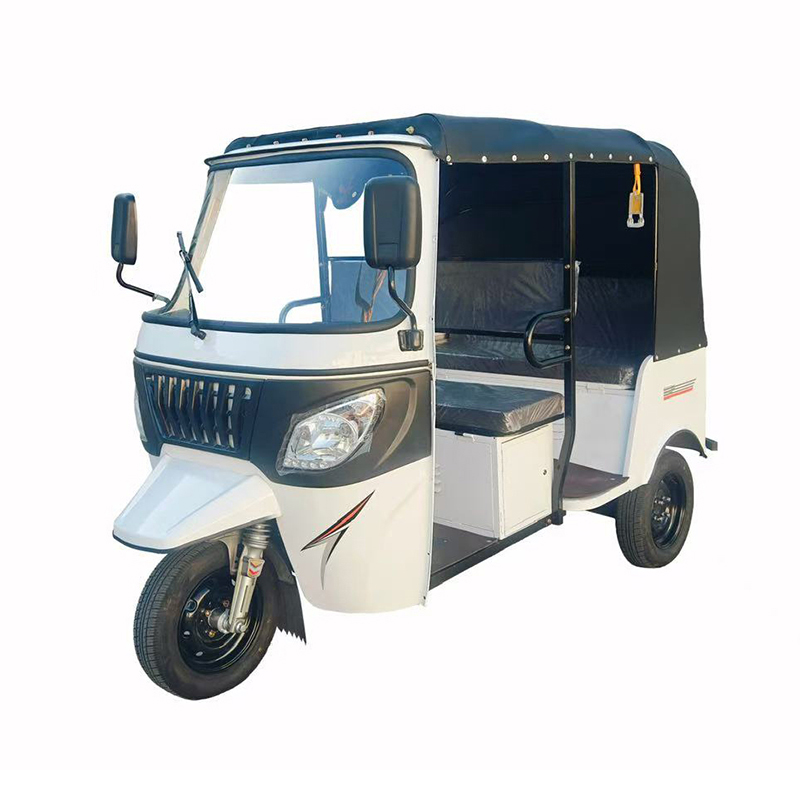
A passenger tuk tuk is typically configured for 3–6 passengers plus the driver, though legal capacity varies by jurisdiction:
Compact models (3+1 configuration): Three passengers on rear bench, driver forward; optimal for narrow lanes and short-distance hops
Standard models (4+1 configuration): Four passengers with fold-down jump seats; most common configuration for urban taxi operations
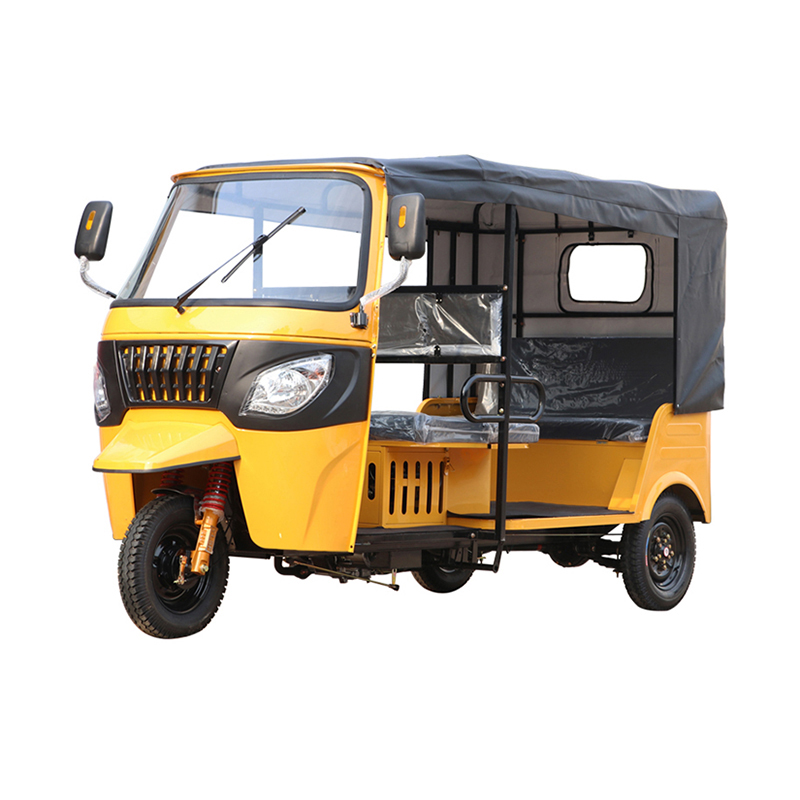
Extended models (6+1 configuration): Six passengers in 2+2+2 arrangement; requires longer wheelbase and higher-displacement engine; popular for fixed-route shuttle services
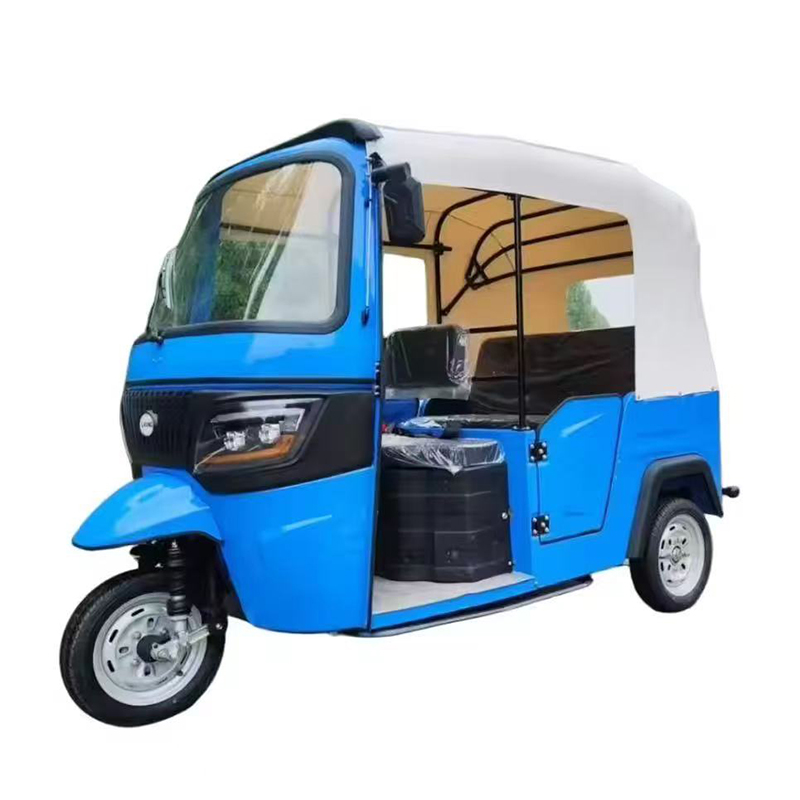
Enclosed vs. open designs: Full cabin enclosure provides weather protection but reduces ventilation; semi-open designs with roll-down curtains offer flexibility
When specifying a passenger tuk tuk for your fleet, match seating capacity to route demand patterns. Underutilized seats reduce revenue per kilometer; overcrowding violates regulations and compromises passenger safety.
Vehicle Specifications: Engine, Range, and Performance
Selecting the right passenger tuk tuk requires balancing multiple technical parameters:
Engine displacement: 150–200 cc for 3–4 passenger models; 200–400 cc for 6-passenger configurations; electric alternatives from 1000W–3000W
Fuel efficiency: 35–45 km/L for petrol models; 25–35 km/kg for CNG; electric models consume 30–50 Wh/km
Maximum speed: 45–55 km/h typical; higher speeds may reclassify vehicle and require different licensing
Gradeability: 12–20% for hilly urban terrain; electric models with regenerative braking recover energy on descents
Suspension: Leaf spring rear suspension for durability; coil-over front for passenger comfort on rough roads
Fleet operators should test prospective passenger tuk tuk models on actual route conditions before committing to volume purchases, as manufacturer specifications often reflect ideal conditions.
Electric vs. Internal Combustion: Fleet Powertrain Strategy
The passenger tuk tuk market is rapidly electrifying, with 40–60% of new sales in major markets now electric. Key decision factors:
Energy cost advantage: Electric operation costs USD 0.02–0.05 per km vs. USD 0.08–0.14 for petrol—a 60–70% reduction
Range adequacy: Electric models deliver 80–140 km per charge, sufficient for 85–90% of urban passenger routes
Passenger experience: Electric passenger tuk tuk operation is 20–30 dB quieter, with no exhaust fumes in the cabin—improving comfort and enabling premium pricing
Regulatory access: Zero-emission vehicles operate freely in emission-controlled zones; gas models face restrictions or charges
Charging logistics: Overnight charging at fleet depot or driver home eliminates downtime; battery swap networks emerging in major cities
For operators with access to reliable charging infrastructure, the electric passenger tuk tuk delivers 25–40% lower total cost of ownership over a 5-year operating cycle.
Licensing, Permits, and Regulatory Compliance
Operating a passenger tuk tuk commercially requires navigating jurisdiction-specific regulatory frameworks:
Vehicle registration: L5e or L7e three-wheeler classification in most markets; requires roadworthiness certification
Operating permit: Many cities require passenger transport permits separate from vehicle registration, often with route or zone restrictions
Driver licensing: Standard vehicle license sufficient for three-wheelers under most jurisdictions; some require commercial endorsement for passenger transport
Insurance: Third-party liability minimum; comprehensive coverage recommended for fleet operations; typical annual premium USD 150–400 per vehicle
Safety equipment: Seat belts, mirrors, lighting (ECE R56 compliant), and speed limiter may be mandated
Importers and fleet operators must verify that passenger tuk tuk units are homologated for the destination market before purchase, as retrofitting non-compliant vehicles is costly and sometimes impossible.
Revenue Models and Investment Returns
The passenger tuk tuk supports multiple revenue-generating business models:
On-demand taxi service: Flag-fall fare plus per-km charge; average daily revenue USD 25–60 per vehicle in emerging market cities; driver-owner model common
Fixed-route shuttle: Predetermined route with fixed stops and fares; higher predictability enables fleet optimization; typical revenue USD 30–50 per vehicle daily
Corporate contract transport: Dedicated vehicles for employee commuting; guaranteed monthly revenue; lower utilization offset by payment reliability
Tourism operations: Sightseeing tours at premium pricing; USD 15–40 per passenger for 1–2 hour tours; seasonal variation in demand
A well-managed passenger tuk tuk achieves payback in 12–24 months, with annual net returns of 35–55% on invested capital—among the highest ROI in the transport sector.
Fleet Management and Operational Excellence
Scaling from a single passenger tuk tuk to a fleet operation requires systematic management:
GPS fleet tracking: Real-time vehicle location, route adherence, and driver behavior monitoring; reduces fuel consumption by 10–15%
Preventive maintenance scheduling: Service at defined km or time intervals rather than reactive repairs; extends vehicle life by 20–30%
Driver training: Defensive driving, customer service, and route knowledge; reduces accidents by 25–35% and improves passenger satisfaction
Digital dispatch: Mobile app-based booking and dispatch; increases utilization by 15–25% compared to street hailing alone
Spare parts inventory: Maintain critical spares (belts, filters, brake pads, electrical components) to minimize vehicle downtime
Operators who implement these practices achieve 15–25% higher profit margins than those managing passenger tuk tuk fleets informally.
FAQ
How many passengers can a tuk tuk legally carry?
Legal capacity varies by jurisdiction and vehicle configuration. Most passenger tuk tuk models are certified for 3–6 passengers plus driver. Overloading beyond rated capacity violates safety regulations and may void insurance coverage.
What license is required to drive a passenger tuk tuk?
In most markets, a standard vehicle license is sufficient for three-wheeler operation. Some jurisdictions require a commercial transport endorsement for passenger tuk tuk drivers carrying fare-paying passengers. Verify with your local transport authority.
How much does a passenger tuk tuk cost to operate per km?
Total operating cost for a petrol passenger tuk tuk is USD 0.12–0.18 per km including fuel, maintenance, and depreciation. Electric models reduce this to USD 0.05–0.09 per km. Driver wages are typically structured as a share of revenue rather than per-km cost.
Can a passenger tuk tuk operate on highways?
Most passenger tuk tuk models are limited to 45–55 km/h and classified as low-speed vehicles. Highway operation is prohibited or restricted to rightmost lane only, depending on local regulations. Urban and peri-urban roads are the primary operating environment.
What is the typical lifespan of a passenger tuk tuk?
With proper maintenance, a passenger tuk tuk achieves 100,000–150,000 km or 6–8 years of service. Electric models often last longer due to fewer mechanical wear components, though battery replacement is typically required at year 4–6.
Conclusion
The passenger tuk tuk remains one of the most accessible and profitable entry points into urban transport operations, offering 35–55% annual returns on invested capital with payback periods of 12–24 months. Success depends on matching vehicle specifications to route requirements, navigating regulatory frameworks proactively, and implementing disciplined fleet management practices. The accelerating transition to electric powertrains offers forward-looking operators opportunities to reduce operating costs, access emission-controlled zones, and position their fleets for regulatory compliance over a 5–7 year vehicle lifecycle. Whether you are a first-time operator or scaling an existing fleet, the passenger tuk tuk presents a compelling combination of low capital requirements, strong unit economics, and growing market demand.
References
Kumar, M., & Singh, V. (2023). "Informal Public Transport in Developing Countries: The Role of Three-Wheeled Vehicles." Transport Reviews, 43(4), 567–589.
World Bank. (2024). "Urban Mobility and Intermediate Transport Modes: Policy Framework for Three-Wheeler Integration." World Bank Transport Papers, No. 201.
Behrendt, F., & Aditjandra, P. (2022). "Electric Three-Wheeler Transition in Asian Cities: Economic and Environmental Assessment." Journal of Transport Geography, 104, 103–118.
Poudel, M., & Shrestha, K. (2023). "Fleet Management Practices and Operational Efficiency in Three-Wheeler Taxi Services." Asian Transport Studies, 9(2), 145–162.
UITP. (2024). "Informal Transport Integration: Guidelines for Municipal Authorities." UITP Technical Reports, No. 78.
Renqiu Xianyue Motorcycle Co., Ltd.
Copyright © 2026-2027 https://www.xuanyuetricycle.com. All Rights Reserved Renqiu Xuanyue Motorcycle Co., Ltd.