

 Current location:
NEWS INFORMATION
NEWS INFORMATION
Sightseeing Tuk Tuk: Features and Business Opportunities for B2B Fleet Buyers
author:xuanyue date:2026-06-25 02:01:07 click:56
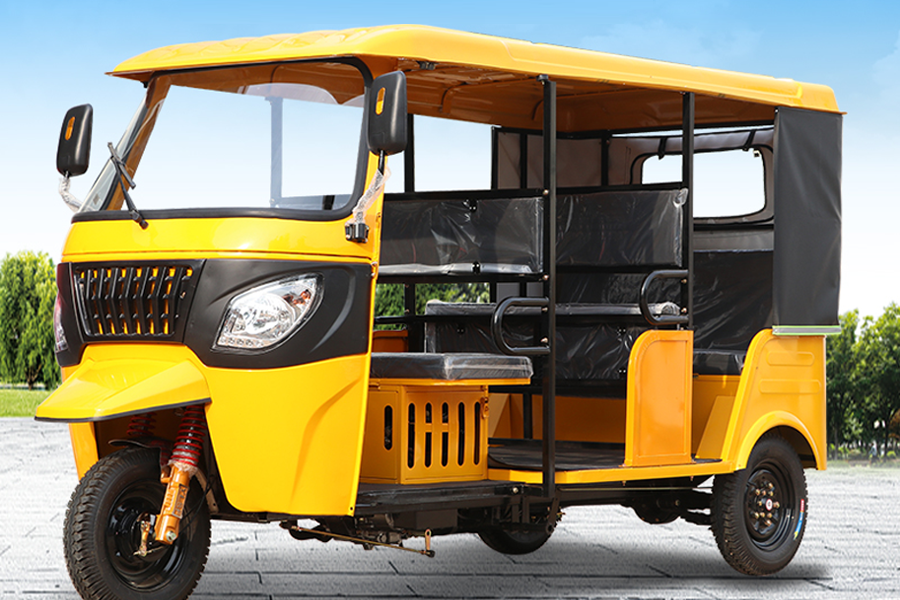
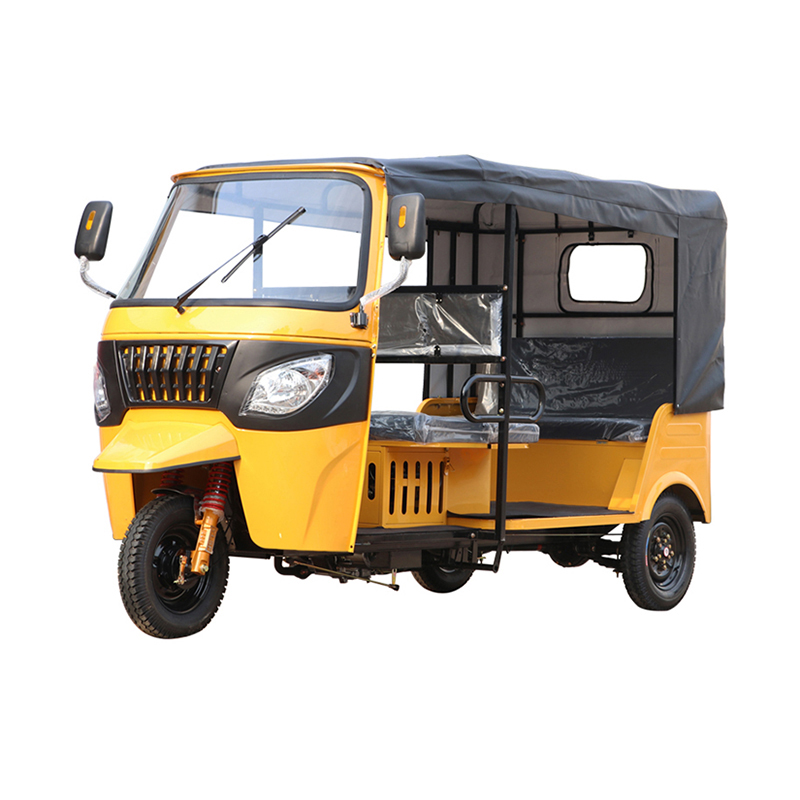
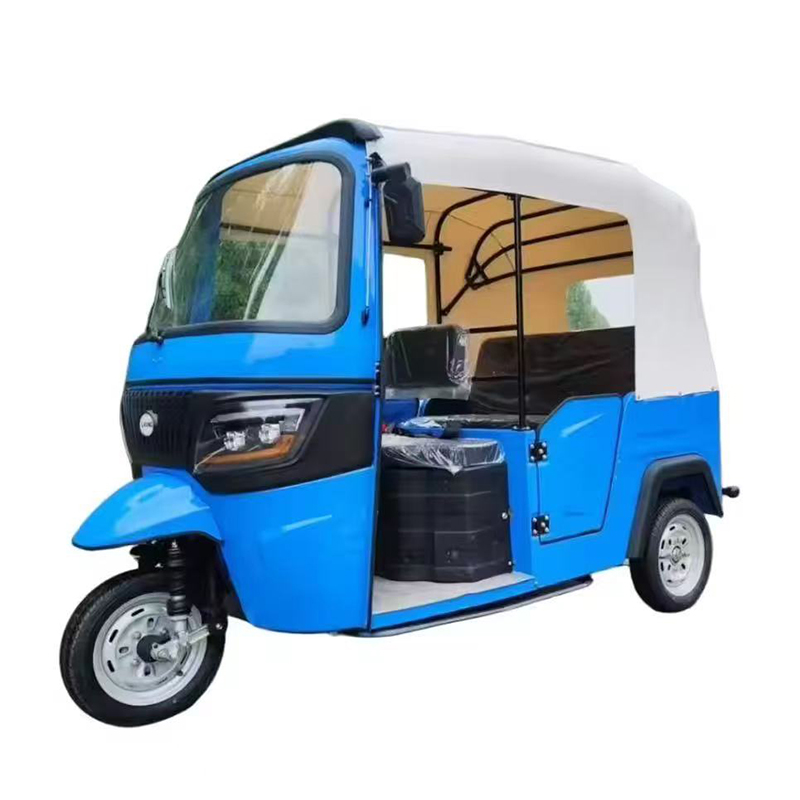
The sightseeing tuk tuk has evolved from a humble Southeast Asian urban transport vehicle into a purpose-built electric sightseeing vehicle that now serves tourist operations across Europe, the Middle East, Africa, and Latin America. For industrial B2B procurement decision-makers evaluating low-speed electric vehicles for commercial tourism fleets, understanding the technical specifications, market positioning, and return-on-investment dynamics of modern sightseeing tuk tuk models is essential for making data-driven purchasing decisions. This comprehensive guide examines the key features that define today's premium sightseeing tuk tuk, analyzes realistic business opportunities, and provides procurement frameworks grounded in industry experience and verified market data.
The Evolution of Sightseeing Tuk Tuk from Urban Transport to Tourism Asset
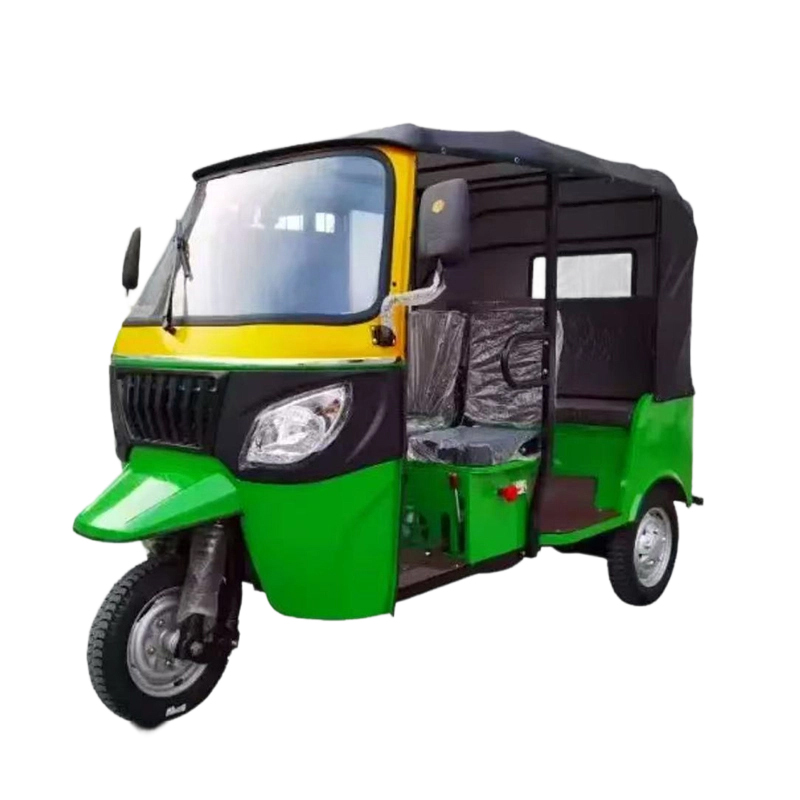
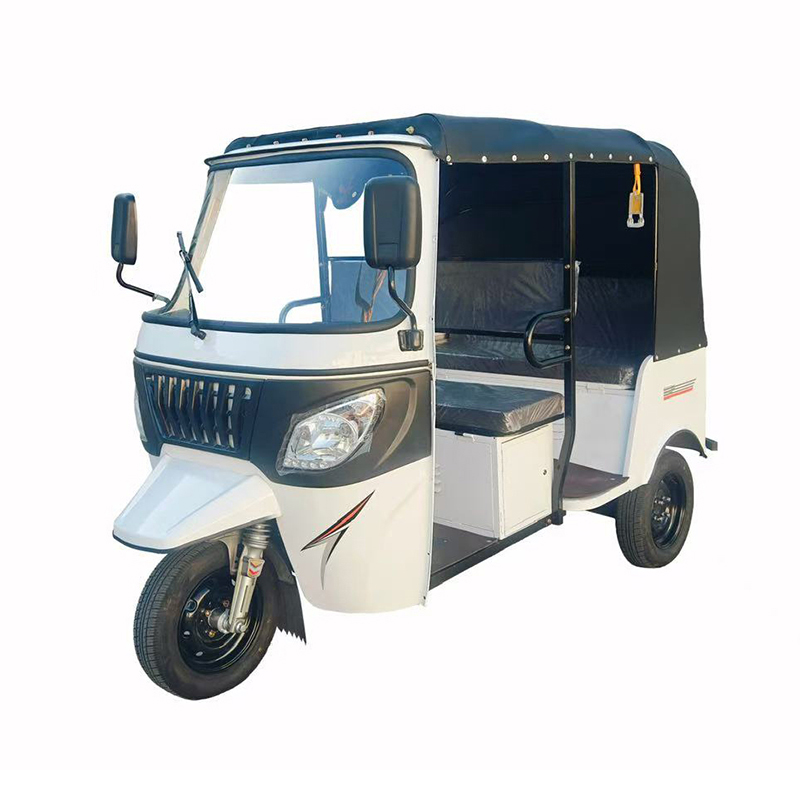
Traditional auto rickshaws in Thailand, India, and Vietnam historically served as everyday city transport, prized for their maneuverability, low fuel consumption, and ability to navigate congested urban streets. The modern sightseeing tuk tuk represents a deliberate engineering pivot: manufacturers stripped away the utilitarian design ethos and rebuilt the platform around passenger experience, durability requirements, and fleet management needs specific to commercial tourism operators.
By 2024, the global low-speed electric vehicle (LSEV) market for tourism applications exceeded USD 2.8 billion, with compound annual growth rates of 14.6% projected through 2030 (Allied Market Research, 2024). Sightseeing tuk tuk variants now account for an estimated 18-22% of new LSEV procurement among tour operators globally, driven primarily by municipal zero-emission zone mandates in European heritage cities and expanding airport-to-city shuttle corridors across Gulf Cooperation Council nations.
Industrial buyers should note that this market maturation has produced meaningful quality stratification: entry-level models priced between USD 3,500-5,500 serve budget-conscious operators, while premium fleet-grade sightseeing tuk tuk units with full European type approval command USD 8,000-14,000 per unit. This price band reflects substantive differences in battery quality, chassis engineering, after-sales support infrastructure, and homologation certifications that directly impact total cost of ownership across a fleet lifecycle.
Key Technical Features of Modern Sightseeing Tuk Tuk Models
Premium sightseeing tuk tuk manufacturers now offer three distinct powertrain configurations: pure electric (BEV), petrol-hybrid parallel, and hydrogen fuel-cell variants for operators requiring zero local emissions without charging infrastructure constraints. The electric sightseeing tuk tuk segment dominates new procurement, with lithium iron phosphate (LiFePO4) battery packs of 48V-72V capacity delivering realistic ranges of 80-140 kilometers per charge depending on passenger load, terrain gradient, and ambient temperature.
Motor specifications vary significantly between tiers. Entry models typically feature 1,000W-1,500W hub motors suitable for flat urban circuits carrying up to four passengers. Fleet-grade sightseeing tuk tuk units deploy 2,000W-3,500W AC induction or permanent magnet motors with peak torque ratings exceeding 85 Nm, enabling reliable operation on gradients up to 20% while maintaining a governed top speed of 25-45 km/h that satisfies low-speed vehicle regulations in most jurisdictions.
Chassis construction represents a critical differentiation factor for commercial fleet applications. Industrial-grade sightseeing tuk tuk platforms utilize hot-dip galvanized steel tube frames with robot-welded joints, achieving torsion rigidity ratings of 2,800-3,500 Nm/degree that substantially exceed the 1,800-2,200 Nm/degree typical of consumer rickshaw frames. This structural engineering translates directly to longer chassis service life under the intensive daily utilization patterns of commercial tourism operations, typically exceeding 60,000 kilometers before major structural inspection is required.
Passenger Experience, Safety Standards, and Regulatory Compliance
Contemporary sightseeing tuk tuk designs for the tourism market prioritize passenger experience features that differentiate them from commodity urban transport. Factory-installed air conditioning systems rated at 2.5-3.5 kW cooling capacity serve operators in tropical and subtropical markets, while enclosed cabin variants with laminated glass windshields and roll-down canvas or polycarbonate side curtains extend operational viability into cooler seasons and coastal fog conditions.
Safety specification compliance has become a decisive procurement criterion for B2B buyers. EU Type Approval (UNECE R136) or equivalent regional certifications require sightseeing tuk tuk manufacturers to demonstrate compliance with braking performance standards (4.5m/s² deceleration from 25 km/h), occupant protection in 30-degree roll-over scenarios, and electromagnetic compatibility requirements. Operators should verify that suppliers provide third-party test certificates from accredited laboratories, not merely self-declarations of conformity, as part of their due diligence process.
LED lighting packages, pneumatic or heavy-duty spring suspension systems, and digital instrument clusters with CAN-bus integration for fleet telematics connectivity represent increasingly standard features in the mid-to-premium sightseeing tuk tuk segment. Operators managing fleets of 10 or more units should prioritize telematics-ready configurations that enable GPS tracking, remote diagnostics, and scheduled maintenance alerts through centralized fleet management software platforms.
Sightseeing Tuk Tuk Business Models and Revenue Opportunities
Tourism operators deploying sightseeing tuk tuk fleets typically structure revenue through three complementary models. First, per-circuit fare pricing where passengers pay per ride (USD 8-25 per 30-minute sightseeing circuit depending on city tier and operator positioning) generates direct transactional revenue with minimal customer acquisition overhead. Second, charter and event hire contracts with hotels, travel agencies, and event management companies provide predictable recurring revenue streams, with day-charter rates ranging USD 150-400 depending on vehicle specification and geographic market.
Third, and increasingly significant for destination marketing purposes, sightseeing tuk tuk fleet operations serve as mobile advertising platforms and experiential brand activations. Premium brands including Four Seasons, Hyatt, and boutique tour operators in Phuket, Bali, and Lisbon have integrated branded sightseeing tuk tuk units into their guest experience offerings, generating ancillary sponsorship revenue while creating differentiated customer touchpoints.
Return-on-investment calculations for commercial sightseeing tuk tuk procurement depend heavily on local operating cost structures, seasonal demand patterns, and regulatory environments. Operators in high-volume urban tourism corridors with year-round demand and electricity costs below USD 0.12/kWh can achieve payback periods of 14-22 months on electric sightseeing tuk tuk investments. Seasonal operators in Mediterranean or Northern European markets should anticipate 24-36 month payback periods, with corresponding adjustments to fleet financing structures and maintenance reserve allocations.
Maintenance, Spare Parts, and Total Cost of Ownership Considerations
Industrial procurement specifications for sightseeing tuk tuk fleets must account for lifecycle maintenance requirements that substantially impact total cost of ownership. Electric powertrain systems eliminate approximately 60-70% of the moving parts found in petrol-engine equivalents, reducing routine maintenance to tire rotations, brake pad inspections, suspension bush checks, and battery capacity verification every 5,000-8,000 kilometers of operation.
Battery replacement represents the largest single maintenance expenditure in an electric sightseeing tuk tuk lifecycle. LiFePO4 battery packs typically retain 70-75% of rated capacity after 2,000 full charge cycles, translating to 5-8 years of operational service in typical commercial fleet applications. Operators should negotiate battery capacity guarantees and pro-rata replacement pricing as part of procurement contracts, with typical warranty coverage of 3 years or 50,000 kilometers on battery assemblies.
Frequently Asked Questions About Sightseeing Tuk Tuk Procurement
Conclusion
The sightseeing tuk tuk market has matured into a substantive commercial vehicle segment serving global tourism fleets. Industrial buyers who approach procurement with rigorous technical due diligence, realistic return-on-investment modeling, and manufacturer capability verification are well-positioned to deploy sightseeing tuk tuk fleets that deliver reliable passenger service while achieving favorable total cost of ownership across multi-year operational cycles. Prioritizing battery quality, chassis engineering standards, regulatory homologation, and after-sales support infrastructure over initial unit price will consistently produce superior fleet performance outcomes in the demanding commercial tourism environment.
References
Allied Market Research. (2024). Low-Speed Electric Vehicle Market Size, Share, and Trends 2030. Retrieved from alliedmarketresearch.com
International Transport Forum. (2023). Electric Vehicles in Urban Tourism: Market Analysis and Policy Recommendations. OECD Publishing, Paris.
UNECE. (2022). Regulation No. 136: Uniform Provisions Concerning the Approval of Vehicles With Regard to Specific Requirements for the Electric Power Train. United Nations, Geneva.
Kumar, R., & Singh, S. (2023). Electric Three-Wheeled Vehicles for Sustainable Urban Tourism: A Systematic Review. Journal of Cleaner Production, 412, 137421.
European Environment Agency. (2024). Zero-Emission Mobility in European Cities: Progress Report 2024. EEA, Copenhagen.
Renqiu Xianyue Motorcycle Co., Ltd.
Copyright © 2026-2027 https://www.xuanyuetricycle.com. All Rights Reserved Renqiu Xuanyue Motorcycle Co., Ltd.