

 Current location:
NEWS INFORMATION
NEWS INFORMATION
Starting a Tuk Tuk Taxi Business: Cost and Profit Guide
author:xuanyue date:2026-07-13 23:47:03 click:62
Understanding the Tuk Tuk Taxi Business Opportunity
The informal and semi-formal three-wheeler taxi sector generates an estimated USD 18 billion annually across South Asia, Southeast Asia, Sub-Saharan Africa, and Latin America. The tuk tuk taxi business remains one of the most accessible entrepreneurial pathways in urban transport, requiring relatively modest capital while delivering consistent daily income. For aspiring operators—whether as driver-owners or fleet investors—understanding the full financial picture from acquisition through profit optimization is essential for building a sustainable business rather than a subsistence livelihood.
Startup Costs: What You Need to Invest
Starting a tuk tuk taxi business requires capital across multiple categories:
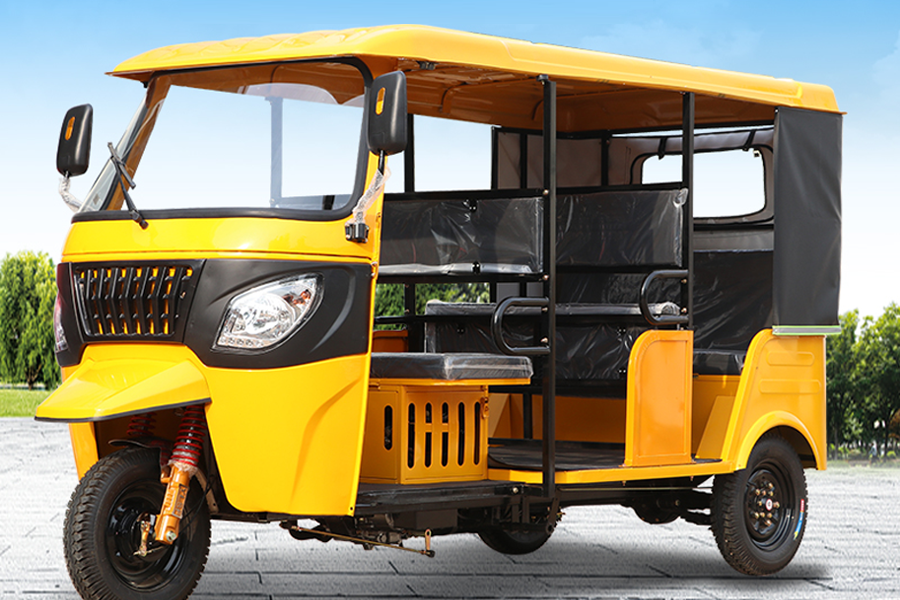
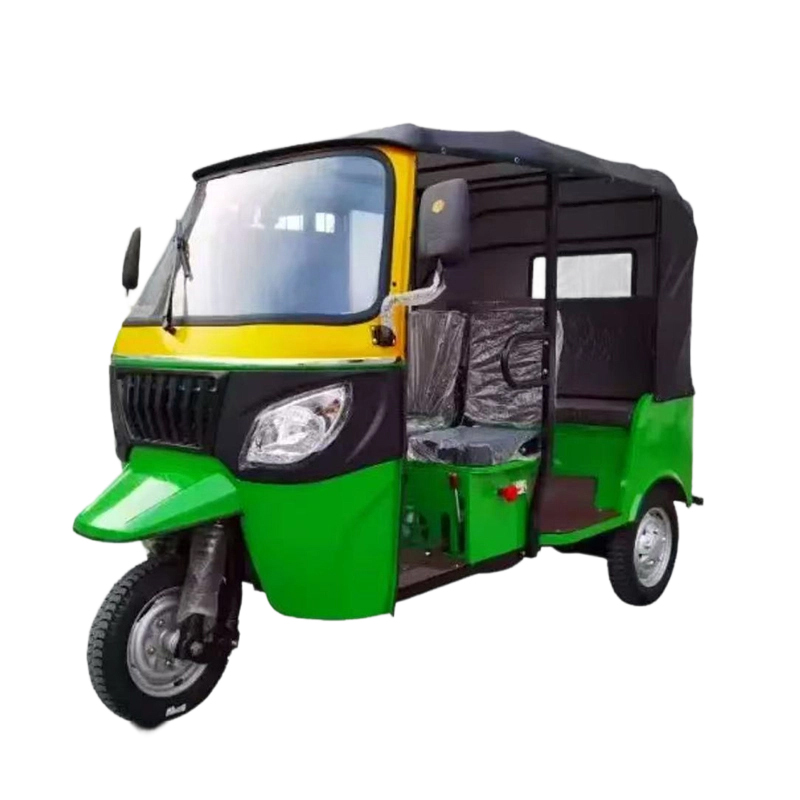
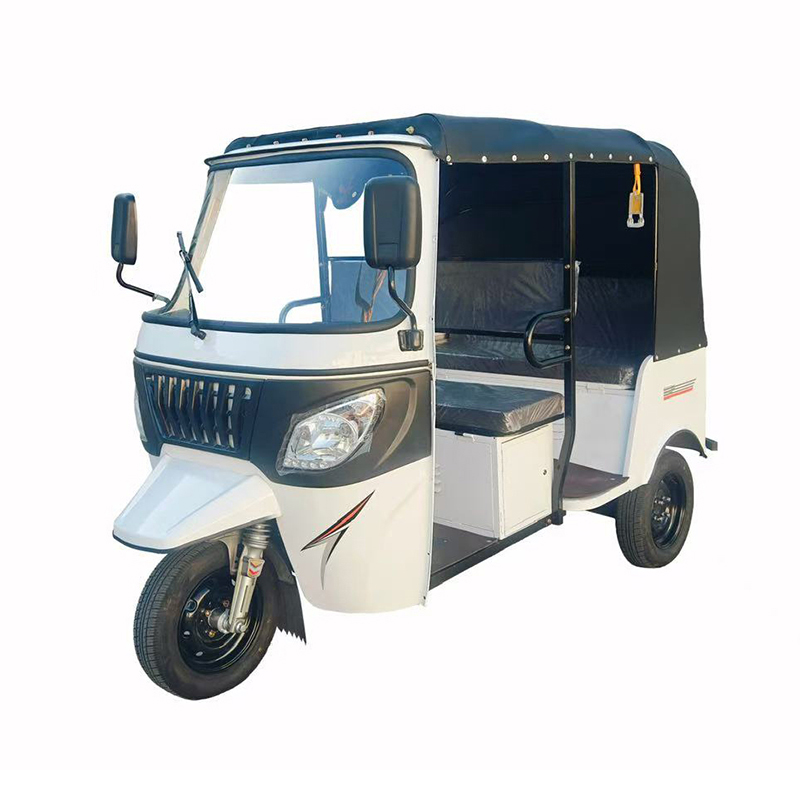
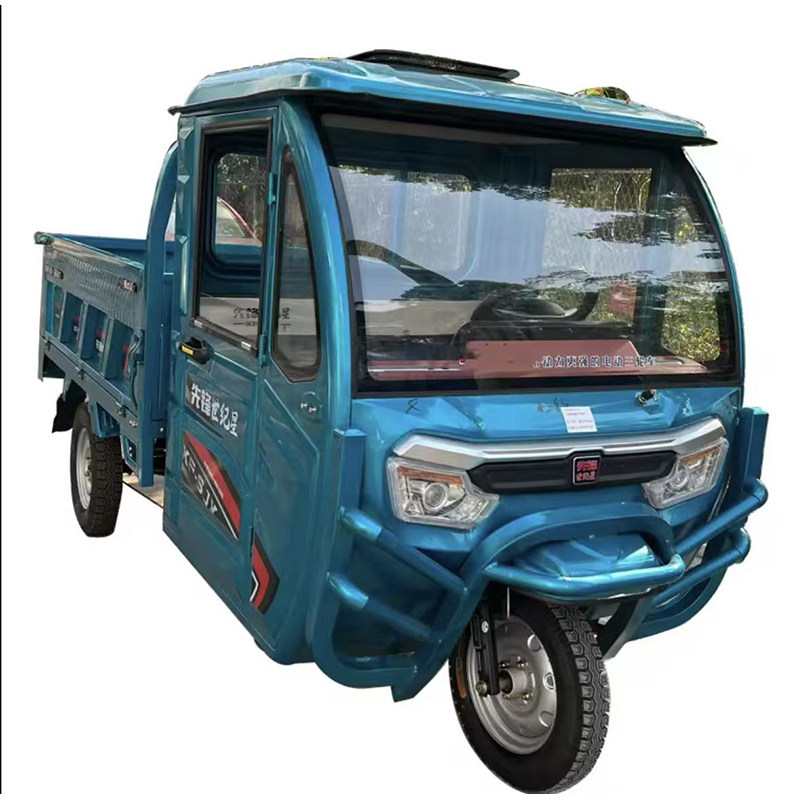
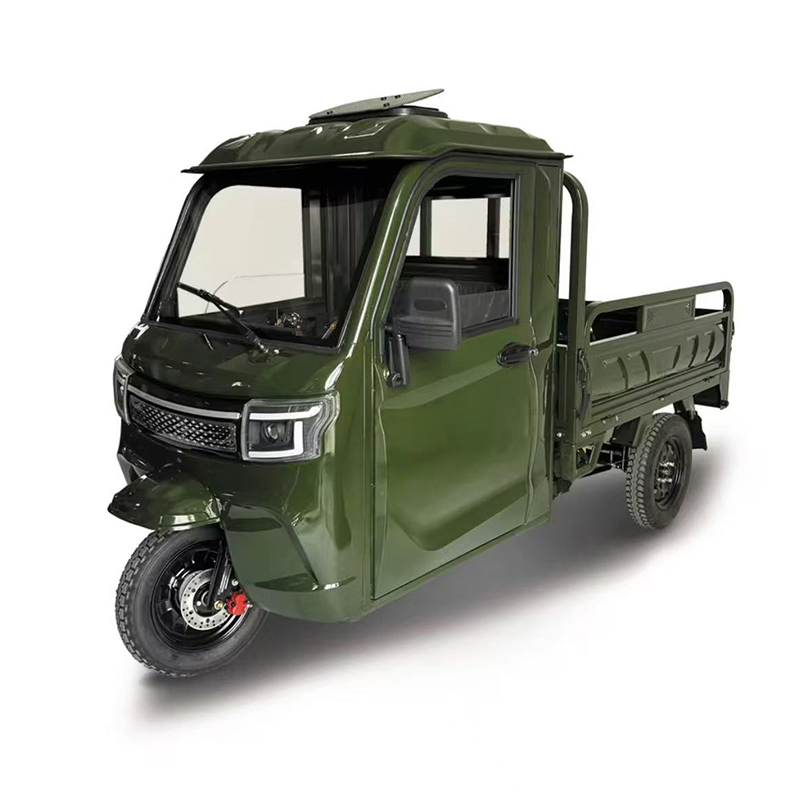
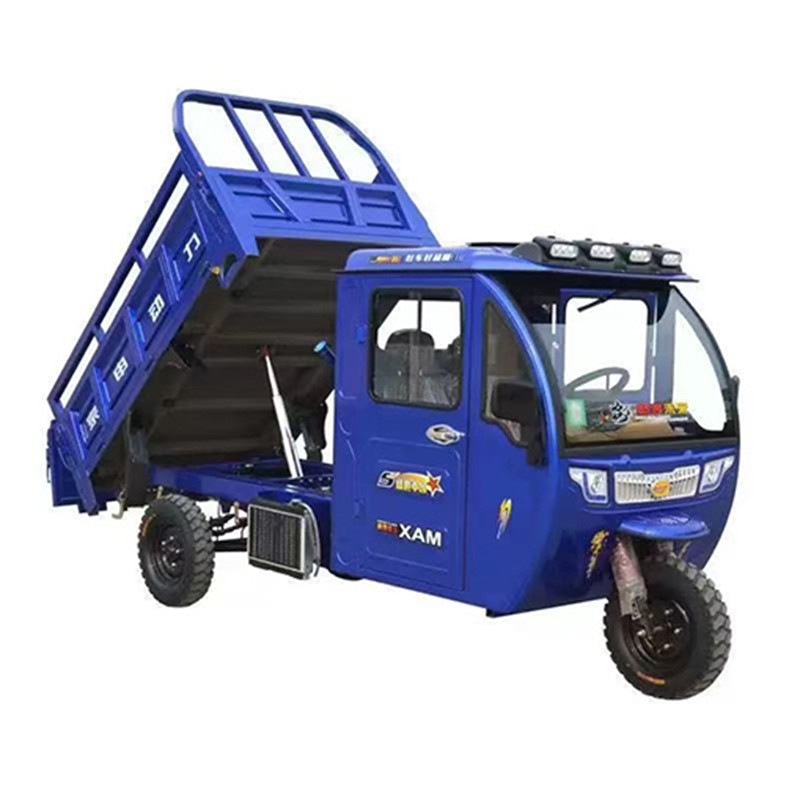
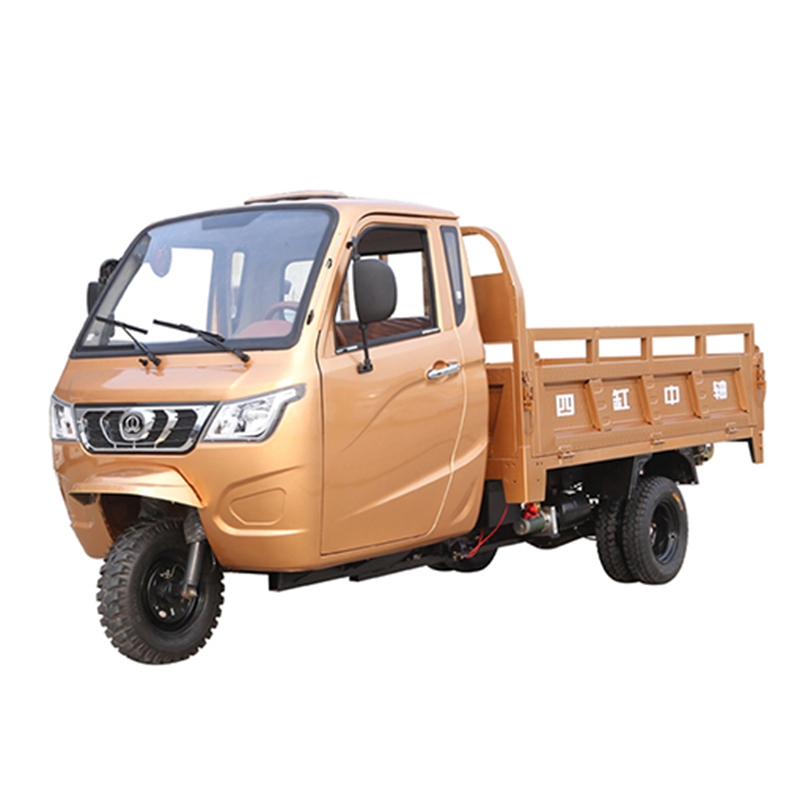
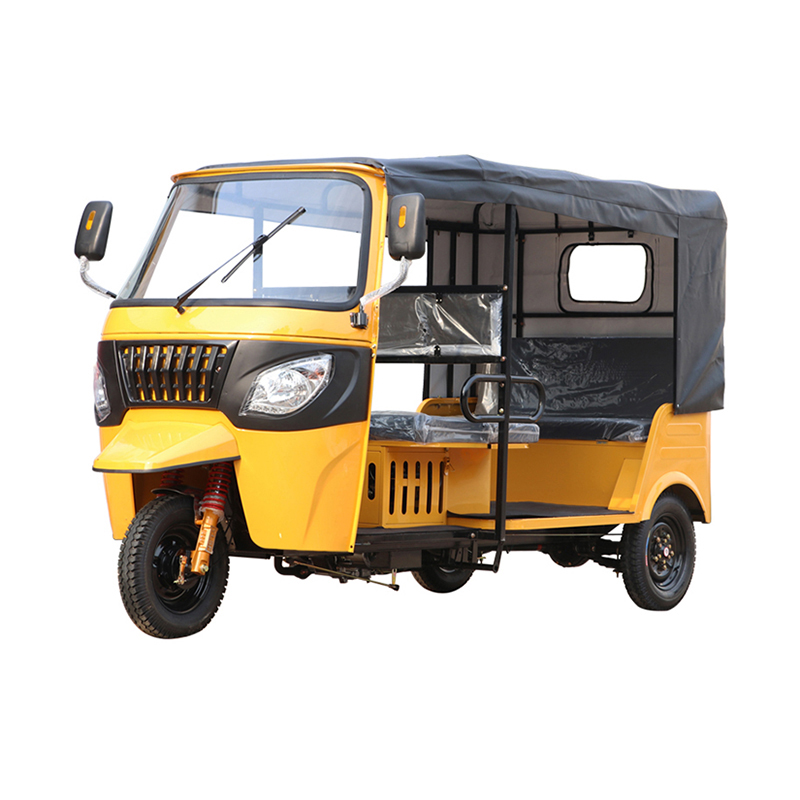
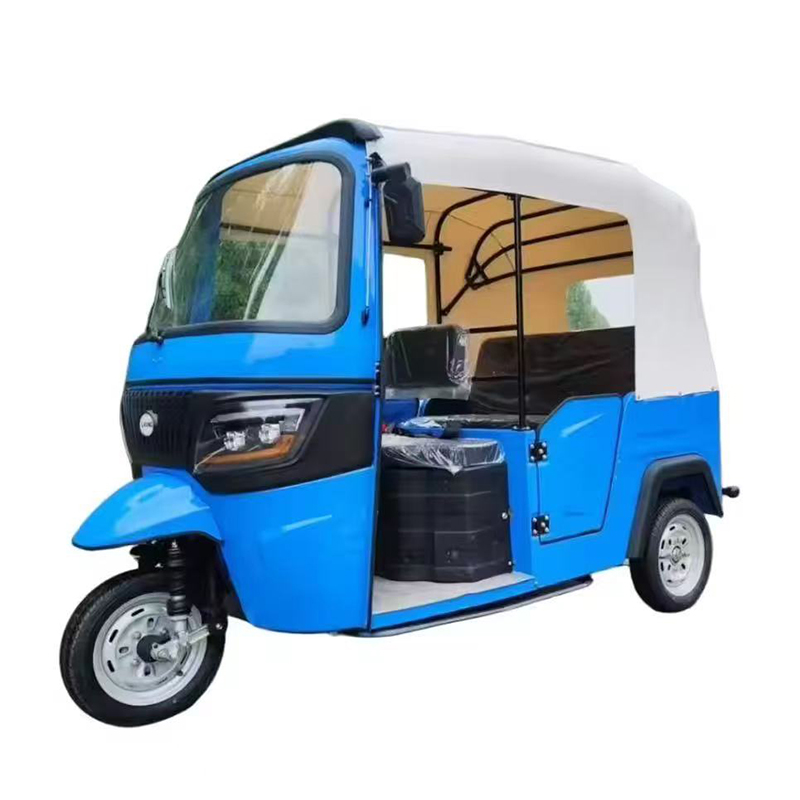
Vehicle acquisition: New petrol tuk tuk taxi units range from USD 2,500–5,500 depending on engine displacement and brand. Electric models cost USD 3,500–8,000 but offer significantly lower operating costs. Used vehicles in good condition are available at 40–60% of new pricing with USD 1,200–2,500 initial investment.
Registration and licensing: Commercial vehicle registration, passenger transport permit, and operating route license total USD 100–500 depending on jurisdiction. Some markets require background checks, medical certificates, or driving record verification.
Insurance: Compulsory third-party liability plus optional comprehensive coverage costs USD 150–500 annually. Passenger accident coverage of USD 5,000–10,000 per seat is required in many jurisdictions.
Initial supplies and equipment: Roof sign or taxi meter (if regulated), first-aid kit, fire extinguisher, reflective triangles, and basic repair tools add USD 50–150 to startup costs.
Working capital: Reserve funds for 2–4 weeks of fuel, maintenance contingency, and living expenses while establishing customer base: USD 200–500 is prudent for driver-owners.
Total initial investment ranges from USD 1,500–3,500 for a used vehicle setup to USD 4,000–10,000 for a new fleet-ready tuk tuk taxi business launch.
Operating Expenses: The Real Cost of Daily Operations
Understanding ongoing operating expenses is critical for accurate profit projections:
Fuel or energy: Petrol tuk tuk taxi models consume 35–45 km/L; at USD 1.00–1.50/L, daily fuel costs USD 6–15 for 80–120 km of operation. Electric models reduce this to USD 1.50–3.00 per day at standard electricity rates.
Maintenance reserves: Budget USD 0.03–0.05 per kilometer for scheduled maintenance. Annual reserves of USD 400–700 cover oil changes, brake service, tire rotation, and periodic valve adjustments.
License renewals: Annual permit renewals cost USD 50–200 depending on jurisdiction and vehicle age.
Vehicle depreciation: A new tuk tuk taxi depreciates 15–20% in year one and 10–15% annually thereafter. Planning for replacement at year 5–7 requires setting aside USD 300–500 annually or including depreciation in your fleet rotation model.
Communication: Mobile phone or data plan for dispatch and customer contact: USD 10–30 monthly.
Revenue Streams and Daily Income Potential
The tuk tuk taxi business generates income through multiple mechanisms:
Per-trip fares: Flag-fall charges of USD 0.30–1.00 plus USD 0.15–0.40 per kilometer. Average urban trips of 2–5 km generate USD 0.80–2.50 per fare. A busy driver completes 25–50 trips daily in a medium-sized city.
Shared rides: Picking up multiple passengers on the same route increases per-kilometer revenue by 30–60% while slightly reducing per-passenger fare.
Fixed-route shuttle: Operating a designated route with scheduled stops provides predictable income of USD 15–40 daily regardless of passenger count fluctuations.
Airport and station transfers: Pre-booked long-distance trips to transport hubs command premium fares of USD 5–20 per trip, though utilization is lower than point-to-point service.
Night surcharges: Many jurisdictions permit 20–50% fare surcharges between 10 PM and 6 AM, improving revenue per kilometer for night-shift drivers.
Profitability Analysis: What Operators Actually Earn
Net profit for a tuk tuk taxi operator depends heavily on operating model, location, and vehicle type:
Driver-owner (petrol vehicle): Daily gross revenue USD 25–60; daily operating costs USD 12–22; net daily income USD 13–38. Monthly net income of USD 400–1,100 after accounting for 2–3 rest days weekly.
Driver-owner (electric vehicle): Daily gross revenue USD 25–60; daily operating costs USD 5–10; net daily income USD 15–55. Monthly net income of USD 450–1,650—30–50% higher than petrol equivalents.
Fleet operator model: Leasing a tuk tuk taxi to a driver for USD 10–20 daily plus fuel responsibility generates USD 300–600 monthly per vehicle. A fleet of 5 units yields USD 1,500–3,000 monthly net of maintenance reserves.
The driver-owner model with an electric tuk tuk taxi delivers the highest personal income, while the fleet operator model scales more efficiently with lower personal time commitment.
Regulatory Landscape: Licensing and Compliance
The regulatory environment for a tuk tuk taxi business varies significantly across markets:
Vehicle classification: Most jurisdictions classify three-wheelers as L5e or L7e vehicles, requiring standard vehicle registration plus a commercial passenger transport endorsement on the driver's license.
Operating permits: Many cities issue route-specific or zone-specific operating permits that limit where a tuk tuk taxi can solicit passengers. Operating without the correct permit risks fines and vehicle impoundment.
Safety inspections: Annual vehicle fitness inspections are mandatory in most markets. Failed inspections require repairs before the vehicle can legally operate as a tuk tuk taxi.
Fare regulation: Some jurisdictions regulate maximum fares; others permit free pricing. Understanding your market's fare structure prevents undercharging or regulatory violations.
Platform integration: Ride-hailing platforms such as Grab, Uber, and local equivalents are increasingly available for three-wheelers, providing additional income channels and digital dispatch for compliant operators.
Risk Management and Business Sustainability
Building a resilient tuk tuk taxi business requires managing operational and financial risks proactively:
Vehicle maintenance discipline: Daily pre-trip checks (tire pressure, brake function, lights, fluid levels) prevent breakdowns that cost USD 20–100 in repairs and lost income. A tuk tuk taxi that breaks down mid-shift loses 2–4 hours of revenue.
Insurance adequacy: Minimum third-party liability coverage protects against catastrophic loss. Passenger accident coverage is equally important—medical costs from a passenger injury can exceed USD 5,000 in liability.
Working capital reserves: Maintain USD 200–500 in accessible reserves for repairs, license renewals, and unexpected vehicle downtime. Operators who run without reserves face debt cycles that erode profitability.
Vehicle rotation planning: Replace or rebuild a tuk tuk taxi every 5–7 years to maintain reliability. Aged vehicles with accumulated wear consume disproportionate maintenance budget and generate more breakdowns.
FAQ
How much does it cost to start a tuk tuk taxi business?
Startup costs range from USD 1,500–3,500 for a used vehicle with basic licensing to USD 4,000–10,000 for a new electric tuk tuk taxi with full permits, insurance, and working capital. The lower end suits individual driver-owners; the higher end supports fleet-scale launches.
How long does it take to recoup the investment in a tuk tuk taxi?
Driver-owners typically recover initial investment within 8–18 months depending on daily utilization, fuel prices, and local fare rates. Electric tuk tuk taxi models recover investment faster due to lower operating costs, often within 6–14 months.
Is a special driving license required for a tuk tuk taxi?
In most markets, a standard vehicle driving license is sufficient for three-wheeler operation. Some jurisdictions require a commercial passenger transport endorsement. Verify with your local transport authority before starting operations.
Can I operate a tuk tuk taxi business without a permit?
Operating a tuk tuk taxi without the required commercial permits exposes you to fines of USD 50–500 per violation and potential vehicle impoundment. Unlicensed operation also voids insurance coverage, creating personal liability risk.
Which is more profitable: petrol or electric tuk tuk for taxi business?
Electric tuk tuk taxi operation generates 30–50% higher net income due to dramatically lower fuel costs and reduced maintenance. Over a 5-year operating period, the cumulative profit advantage of electric models exceeds USD 5,000–10,000 per vehicle despite higher acquisition cost.
Conclusion
Starting a tuk tuk taxi business remains one of the most accessible and potentially profitable paths into urban transport entrepreneurship. With startup costs as low as USD 1,500–3,500 and net monthly income of USD 400–1,650 for driver-owners, the business delivers meaningful economic returns for individuals with limited capital. Success requires more than acquiring a vehicle: disciplined daily operations, rigorous maintenance practices, proactive regulatory compliance, and financial discipline in setting aside reserves for vehicle replacement and unexpected expenses. The operators who treat their tuk tuk taxi as a structured business—not merely a livelihood—consistently achieve higher income, longer vehicle lifespan, and greater financial security than those who operate informally.
References
Cunningham, P., & Joelson, T. (2023). "Informal Transport Entrepreneurship: Economic Pathways in Three-Wheeler Taxi Markets." Journal of Transport Geography, 109, 103–118.
Porter, G., & Hughes, K. (2022). "Three-Wheeler Taxi Operations in West African Cities: Business Models and Income Volatility." African Affairs, 121(4), 589–614.
Barzelay, M., & Cornejo, F. (2023). "Regulation and Informal Transport: Balancing Legitimacy and Accessibility in Three-Wheeler Markets." Transport Policy, 135, 45–58.
ADB Economics Working Paper. (2024). "Informal Transport Sector Contribution to Urban Mobility and GDP in Developing Asia." Asian Development Bank Working Papers, No. 618.
Litman, T. (2024). "Motorcycle and Three-Wheeler Taxi Safety: Analysis and Policy Recommendations." Victoria Transport Policy Institute Reports.
Renqiu Xianyue Motorcycle Co., Ltd.
Copyright © 2026-2027 https://www.xuanyuetricycle.com. All Rights Reserved Renqiu Xuanyue Motorcycle Co., Ltd.