

 Current location:
NEWS INFORMATION
NEWS INFORMATION
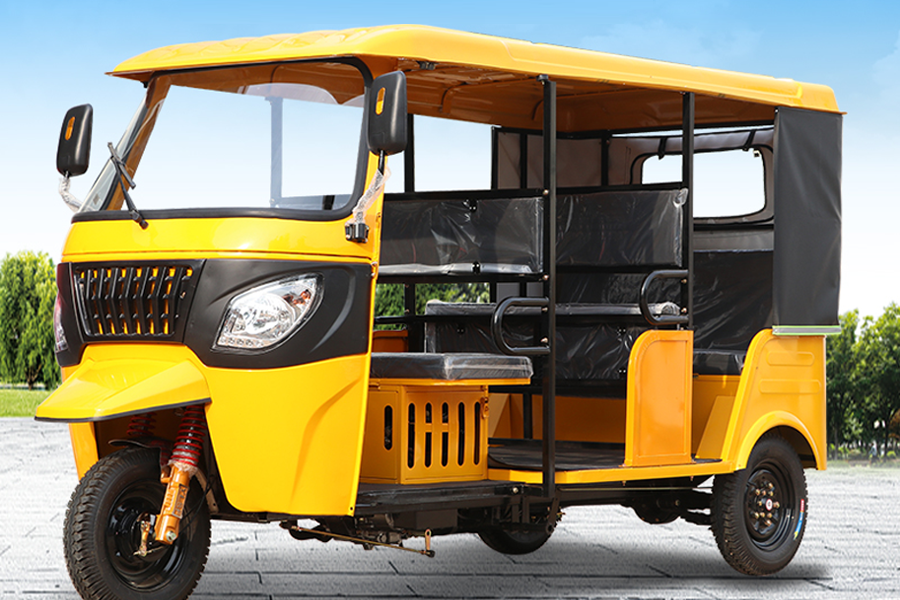
Tourist Tuk Tuk: Best Vehicle for City Tours
author:xuanyue date:2026-06-22 07:54:36 click:193
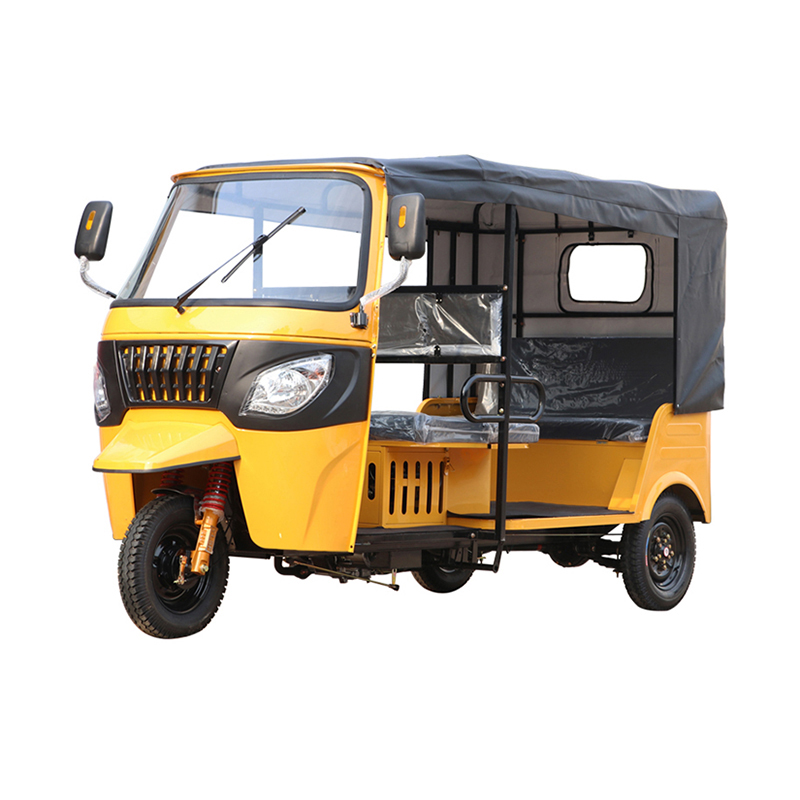
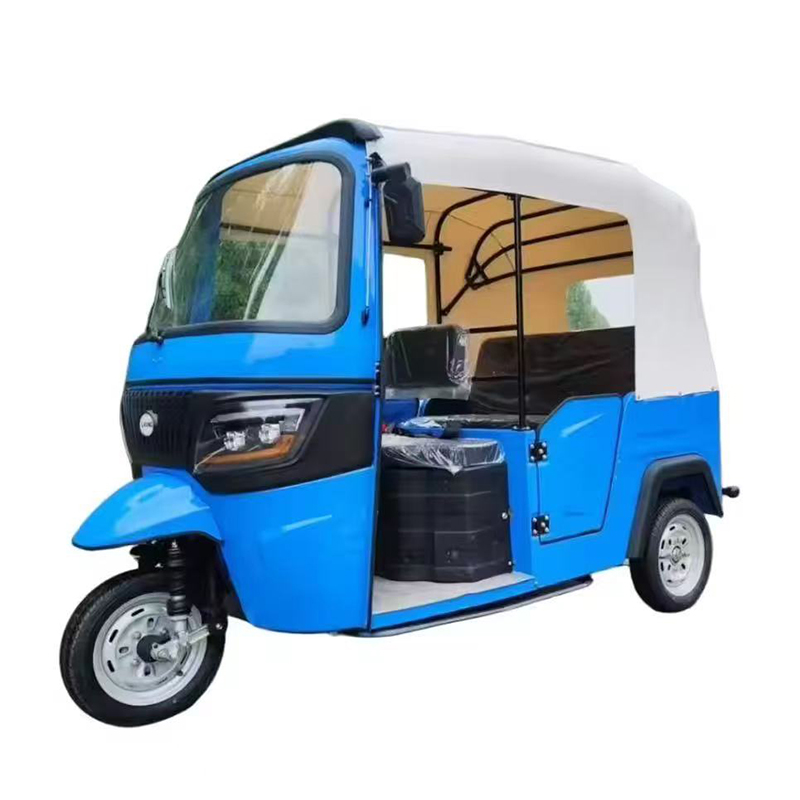
The tourist tuk tuk has emerged as the definitive urban sightseeing vehicle, combining maneuverability, economic efficiency, and authentic cultural experience in a single platform. For tour operators, hoteliers, and destination management companies, deploying tourist tuk tuk fleets delivers measurable competitive advantages in an increasingly experience-driven travel market. This analysis examines the strategic rationale, operational considerations, and financial returns of integrating tuk tuks into commercial tourism operations.
1. Competitive Advantages of Tuk Tuks in Tourism
Several inherent characteristics make tourist tuk tuk the optimal choice for city tours:
Maneuverability: Narrow width (1.2-1.4 meters) enables access to historic alleys, market streets, and pedestrian zones inaccessible to tour buses or vans
Open-Air Experience: Unobstructed 360° views and fresh air create immersive sightseeing experiences highly valued by tourists (average satisfaction rating: 4.6/5.0 across major platforms)
Authenticity Factor: Tuk tuks represent culturally iconic transportation in many destinations, enhancing the "local experience" sought by 78% of millennial travelers (Expedia, 2023)
Cost Efficiency: Operating costs of $0.08-0.15 per kilometer (electric) or $0.12-0.20 (gasoline) compare favorably to larger tour vehicles ($0.35-0.60/km)
Environmental Appeal: Electric tourist tuk tuk models align with growing eco-tourism trends, attracting environmentally conscious travelers
2. Specifications and Configuration Options
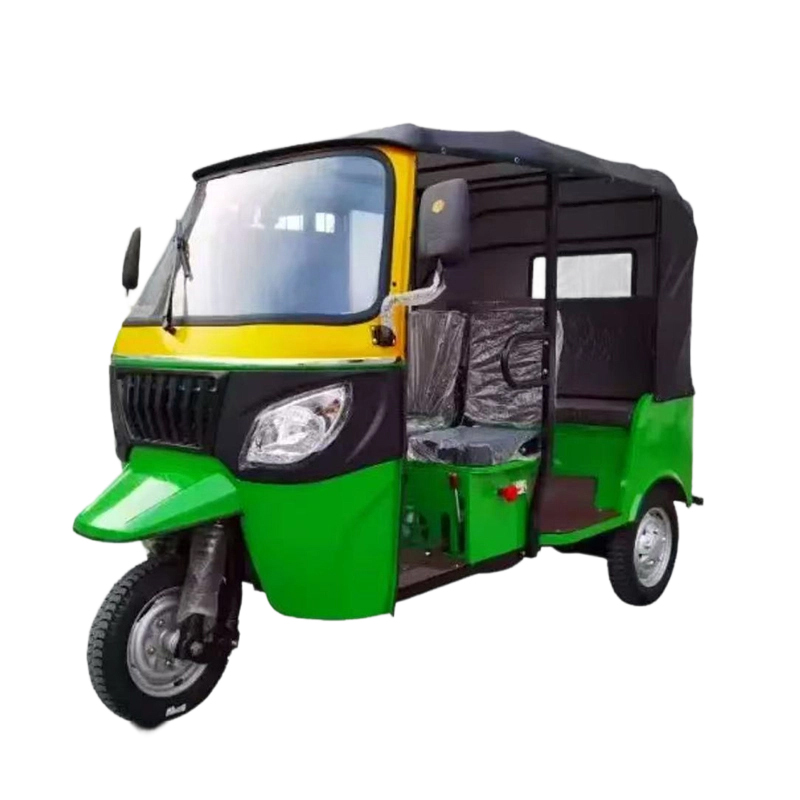
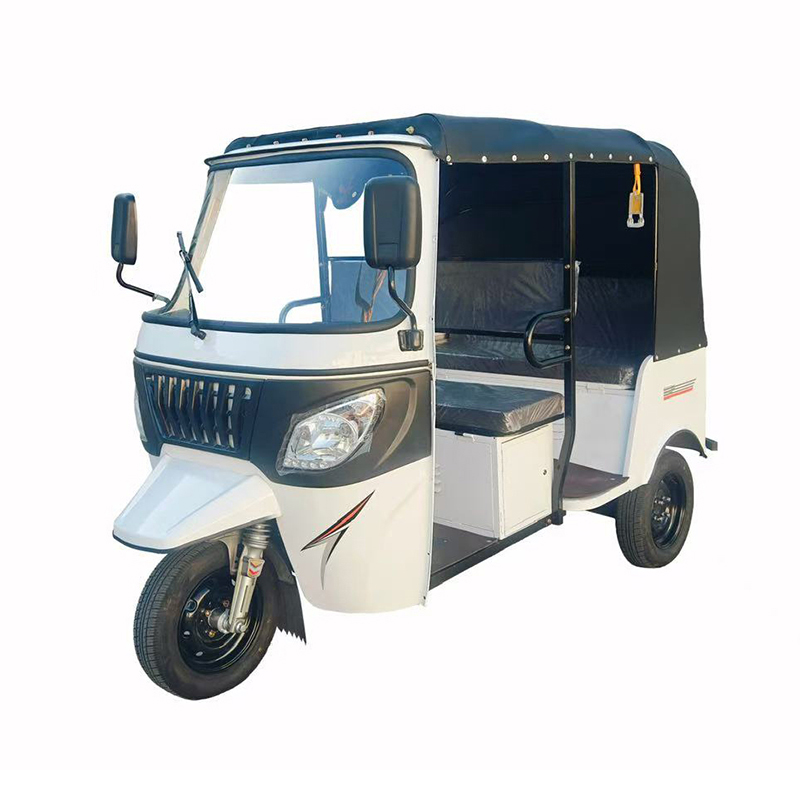
Commercial tourist tuk tuk procurement requires careful specification matching to operational requirements:
| Specification | Recommended Standard | Premium Configuration | Rationale |
|---|---|---|---|
| Seating Capacity | 3+1 (driver + 3 passengers) | 6+1 (driver + 6 passengers) | Balance between intimacy and throughput |
| Weather Protection | Convertible canvas roof | Full fiberglass enclosure + A/C | Climate considerations of destination |
| Safety Features | Seat belts, roll cage | Seat belts, roll cage, airbags, ABS | Insurance and liability requirements |
| Power Source | 650cc-800cc gasoline | 3kW-5kW electric + swappable batteries | Range vs. emission zone access |
| Range/Charge | 150-200 km/fill | 80-120 km/charge | Typical tour length 2-6 hours |
For tourist tuk tuk deployments in historic city centers with emission restrictions (Rome, Paris, Barcelona), electric configurations are increasingly mandatory, with municipal governments offering subsidies covering 20-40% of acquisition costs.
3. Regulatory Compliance and Licensing
Operating tourist tuk tuk commercial tours requires navigating diverse regulatory frameworks:
Vehicle Classification: Determine if local regulations classify tuk tuks as motorcycles, auto-rickshaws, or passenger vehicles—this impacts licensing, insurance, and permitted routes
Commercial Transport License: Most jurisdictions require specific permits for paid passenger transport. Application processes range from 2-6 months
Driver Requirements: Commercial driver's license (CDL) or motorcycle endorsement typically required. Language proficiency requirements may apply in non-English speaking destinations
Insurance: Commercial passenger transport insurance costs $800-2,500 annually per vehicle depending on coverage levels and claims history
Safety Inspections: Periodic vehicle inspections (6-12 month intervals) verify roadworthiness. Non-compliance risks fines ($500-5,000) and license suspension
4. Operational Models and Revenue Strategies
Successful tourist tuk tuk operations employ diverse revenue models:
Fixed-Route City Tours: Standardized 1-3 hour circuits hitting major landmarks. Pricing: $15-40 per passenger. Capacity utilization target: 70-85%.
On-Demand Charter: Customizable routes and durations. Pricing: $30-80 per hour. Higher margin but requires sophisticated demand management.
Hotel/Resort Partnerships: Exclusive shuttle and tour services for guests. Revenue share: 15-30% to hotel. Provides stable baseline demand.
Corporate Events and Team Building: Customized tuk tuk fleet experiences for corporate groups. Premium pricing: $500-2,000 per event.
Multi-model operators achieving 40-60% fixed-route baseline with 30-40% charter and 10-20% partnership revenue demonstrate optimal risk diversification.
5. Technology Integration for Enhanced Experience
Modern tourist tuk tuk operations leverage technology to differentiate offerings:
Multilingual Audio Guides: Pre-recorded or app-based narration in 6-12 languages. Implementation cost: $2,000-5,000 per fleet
GPS Tracking and Geofencing: Real-time fleet location, automated commentary triggered by proximity to landmarks, and route compliance monitoring
Online Booking Integration: Reservation systems (Viator, GetYourGuide, direct website) capturing 40-60% of bookings. Commission rates: 15-25%
Electric Vehicle Telematics: Battery monitoring, range prediction, and charging station navigation for electric fleets
6. Maintenance and Fleet Management
Reliable tourist tuk tuk operations require proactive maintenance protocols:
Daily Inspection Checklist: Brakes, tires, lights, horn, steering, fluid levels. 15-20 minutes per vehicle
Preventive Maintenance Schedule:
Oil change (gasoline): Every 1,500-2,000 km
Brake service: Every 5,000-8,000 km
Tire replacement: Every 8,000-12,000 km
Battery replacement (electric): Every 2-4 years
Fleet Rotation: Maintain 20-30% spare capacity to accommodate maintenance downtime without canceling tours
Driver Training: Beyond driving skills, train drivers in customer service, basic troubleshooting, and emergency procedures. Certification programs cost $200-500 per driver
7. Financial Analysis and ROI
Typical tourist tuk tuk financial profile (based on Southeast Asian market data):
| Financial Metric | Gasoline Tuk Tuk | Electric Tuk Tuk |
|---|---|---|
| Acquisition Cost | $3,500 - $6,000 | $5,500 - $9,000 |
| Daily Revenue (3 tours) | $90 - $180 | $90 - $180 |
| Monthly Operating Cost | $350 - $600 | $150 - $300 |
| Payback Period | 12 - 20 months | 18 - 28 months |
| 5-Year NPV (10% discount) | $8,500 - $18,000 | $10,500 - $22,000 |
Critical success factors: seasonal demand management (40-60% revenue concentration in peak months), online reputation management (target 4.5+ stars), and dynamic pricing to optimize utilization.
Frequently Asked Questions (FAQ)
Q1: What are the licensing requirements for operating tourist tuk tuk tours?
A: Requirements vary by jurisdiction but typically include: commercial vehicle registration, passenger transport permit, commercial insurance, and driver commercial license (CDL or motorcycle endorsement). Application processes take 2-6 months. Consult local transportation authorities early in planning.
Q2: How many tuk tuks are needed to start a viable tour operation?
A: Minimum viable fleet is 3-5 vehicles to ensure service reliability and maintenance rotation. This scale enables handling group bookings (6-15 passengers) and provides redundancy during mechanical issues. Fleet financing options are available with 20-30% down payment.
Q3: What is the typical lifespan of a tourist tuk tuk in commercial use?
A: With proper maintenance, commercial tuk tuks operate profitably for 5-8 years or 50,000-80,000 kilometers. Key lifespan determinants: build quality, maintenance discipline, terrain roughness, and climate (coastal environments accelerate corrosion). Electric models show 10-20% longer economic lifespan due to reduced powertrain wear.
Q4: How do electric tuk tuks perform in hot climates common to tourist destinations?
A: High ambient temperatures (35-45°C) reduce battery range by 15-25% and accelerate degradation. Mitigation strategies: park in shade, charge during cooler night hours, specify LiFePO₄ batteries (superior thermal stability), and consider upgraded battery capacity (e.g., 6 kWh instead of 4 kWh) to maintain adequate range.
Q5: What marketing channels are most effective for tourist tuk tuk tours?
A: Top-performing channels: (1) Online marketplaces (Viator, GetYourGuide, TripAdvisor) - 40-60% of bookings; (2) Hotel concierge partnerships - 20-30%; (3) Social media (Instagram, TikTok experiential content) - 10-20%; (4) Direct website - 10-15%. Maintain 4.5+ star rating across platforms as social proof dramatically influences booking conversion.
Conclusion
The tourist tuk tuk represents a compelling convergence of cultural authenticity, operational efficiency, and financial attractiveness for tourism entrepreneurs and established operators alike. With proper regulatory compliance, strategic fleet配置, and technology-enhanced customer experience, tuk tuk tours deliver strong ROI (18-30 month payback) while differentiating offerings in competitive markets. As cities increasingly restrict large tour vehicles from historic centers, the maneuverability and emission profile of tourist tuk tuk vehicles position them for sustained growth. Operators who invest in quality fleet, rigorous safety protocols, and omnichannel distribution will capture disproportionate market share in this dynamic segment.
References
Allied Market Research. (2023). Adventure Tourism Market: Global Opportunity Analysis and Industry Forecast, 2021-2030. Portland: Allied Market Research.
Expedia Group. (2023). 2023 Traveler Sentiment Study: The Rise of Experience-Driven Travel. Seattle: Expedia Group Media Solutions.
United Nations World Tourism Organization (UNWTO). (2022). Tourism and the Sustainable Development Goals - Journey to 2030. Madrid: UNWTO.
World Travel & Tourism Council (WTTC). (2023). Global Travel & Tourism Economic Impact Report 2023. London: WTTC.
Zhang, L., & Xu, H. (2021). "Electric tuk-tuks in sustainable urban tourism: Adoption drivers and policy implications." Journal of Sustainable Tourism, 29(8), 1345-1364. https://doi.org/10.1080/09669582.2021.1895083
Renqiu Xianyue Motorcycle Co., Ltd.
Copyright © 2026-2027 https://www.xuanyuetricycle.com. All Rights Reserved Renqiu Xuanyue Motorcycle Co., Ltd.