

 Current location:
NEWS INFORMATION
NEWS INFORMATION
Tuk Tuk for Sale: How to Choose the Right Model
author:xuanyue date:2026-06-17 17:51:16 click:86
The global tuk tuk for sale market has undergone significant transformation in recent years, driven by urbanization, emission regulations, and the rapid electrification of last-mile transportation. For B2B procurement professionals evaluating tuk tuk for sale options, the decision matrix has expanded beyond simple price comparisons to encompass powertrain technology, operational economics, regulatory compliance, and total cost of ownership. This guide provides a structured framework for selecting the optimal tuk tuk configuration for commercial applications.
1. Market Overview and Procurement Context
The three-wheeler commercial vehicle market is projected to reach $12.8 billion by 2030, with a CAGR of 8.3% (Allied Market Research, 2023). Within this landscape, the tuk tuk for sale segment divides primarily into two categories: traditional internal combustion engine (ICE) models and emerging electric variants. Each presents distinct advantages depending on operational context, geographic location, and regulatory environment.
B2B buyers must navigate an increasingly complex ecosystem of manufacturers, ranging from established Asian producers (Bajaj, Piaggio, Mahindra) to innovative electric startups (Lohia, Omega Seiki, Kinetic Green). The procurement decision requires balancing upfront capital expenditure against long-term operational savings, particularly as electric tuk tuk for sale options achieve price parity in total cost of ownership calculations.
2. Payload Capacity and Configuration Options
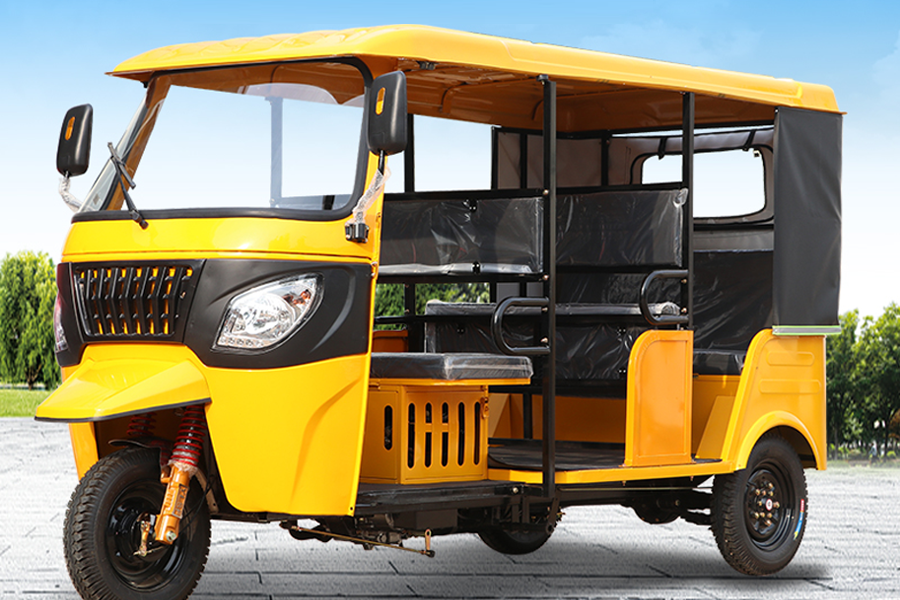
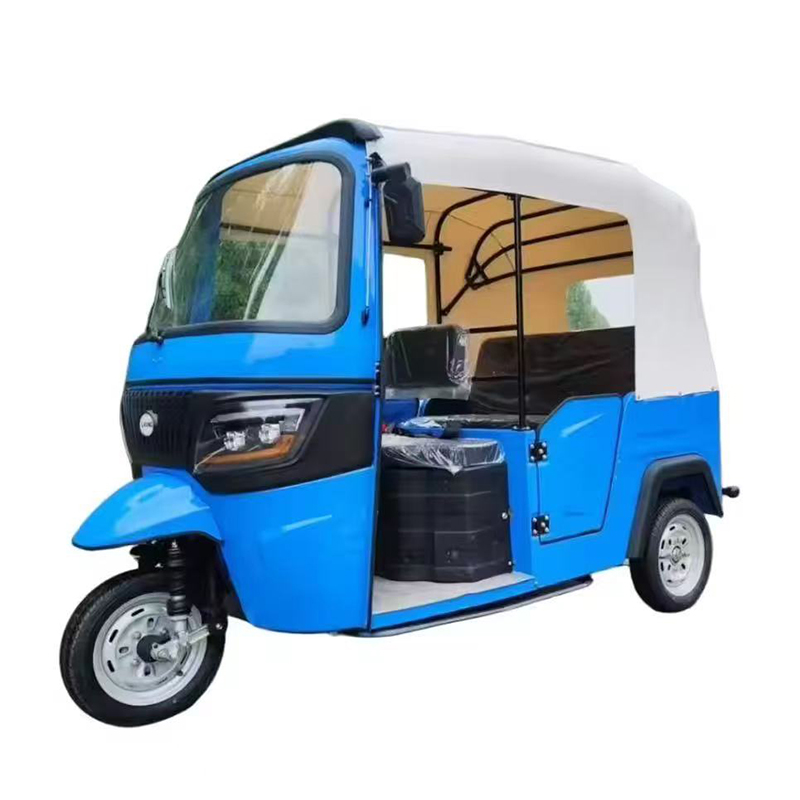
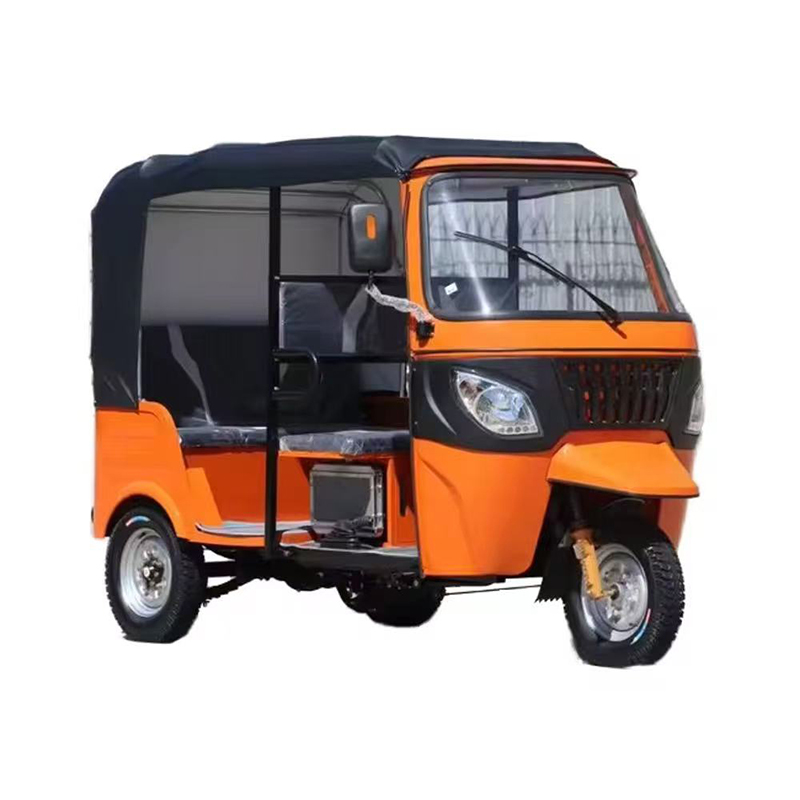
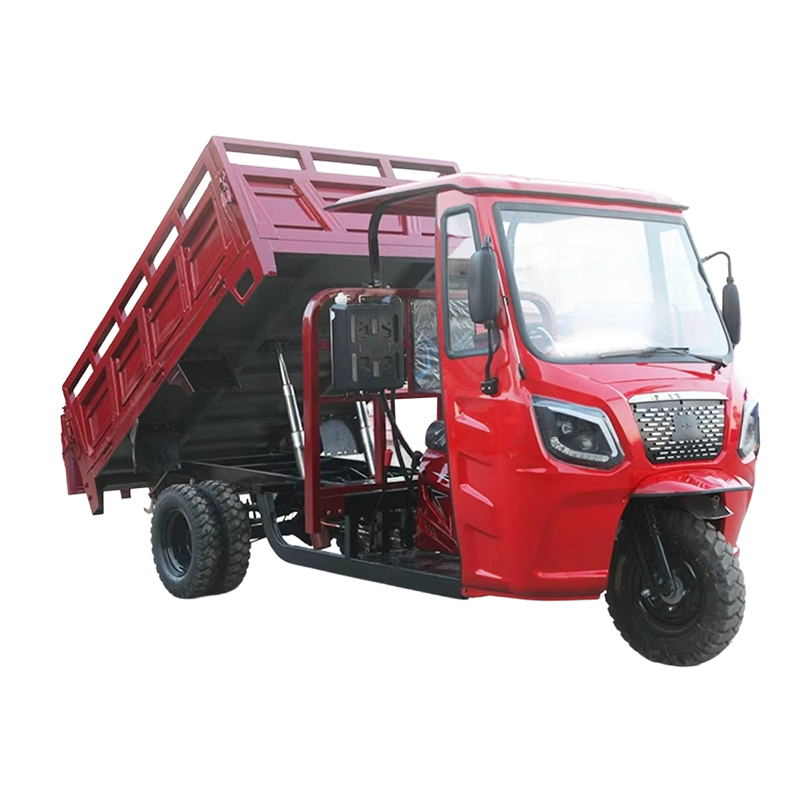
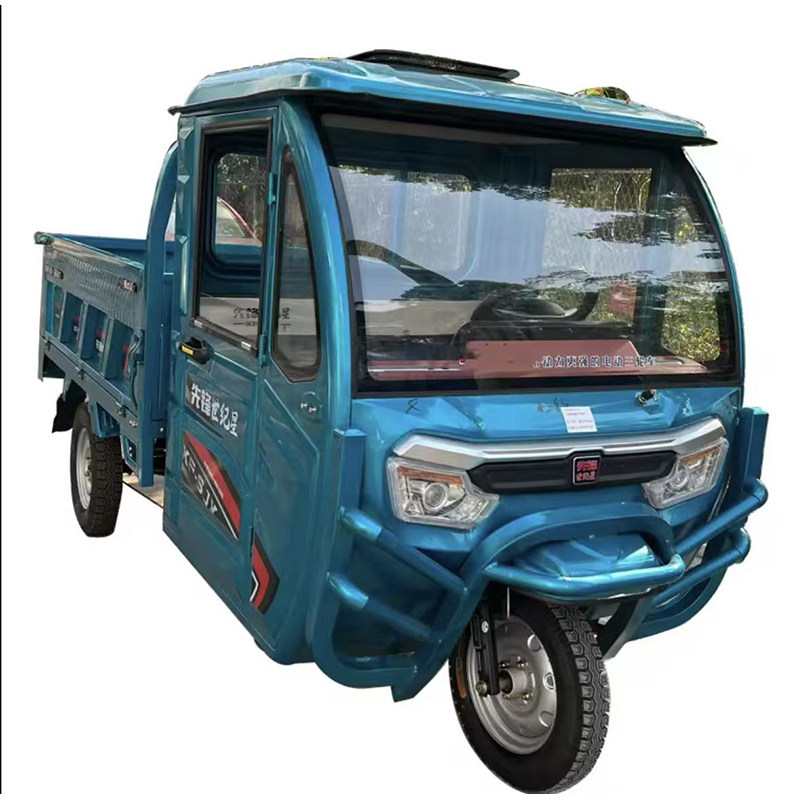
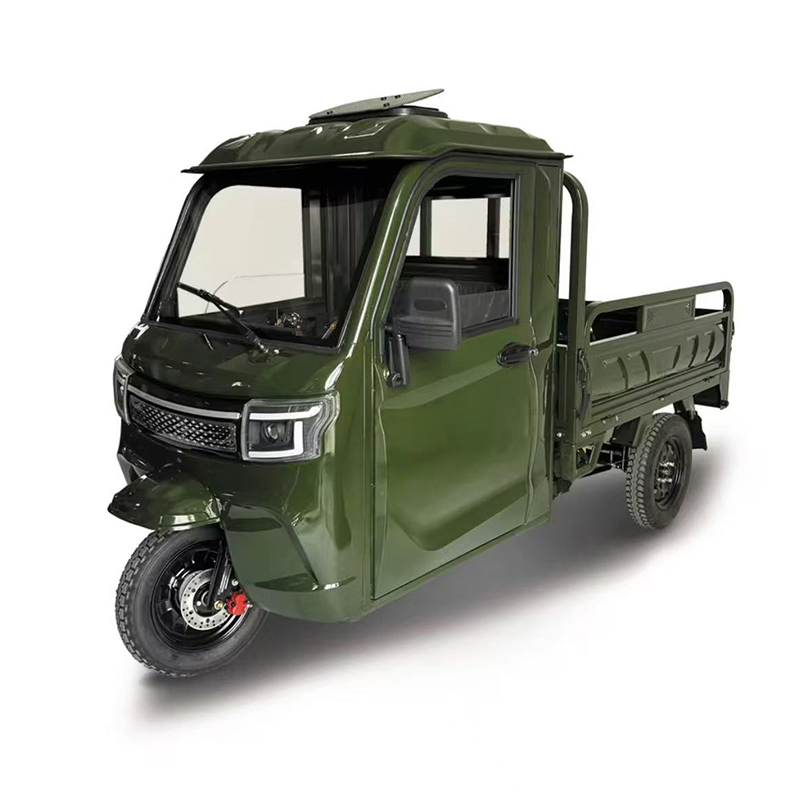
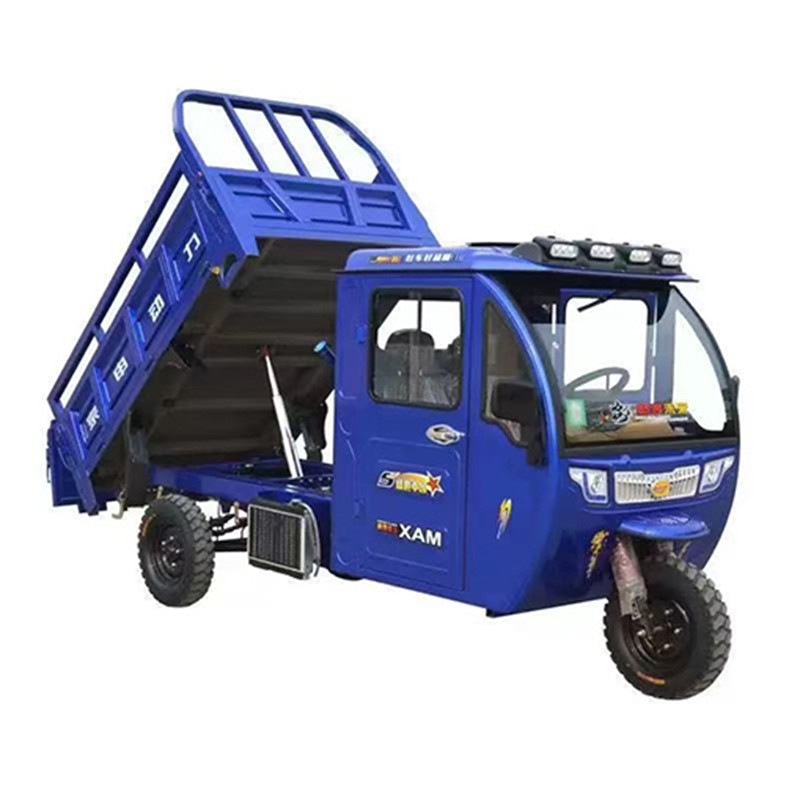
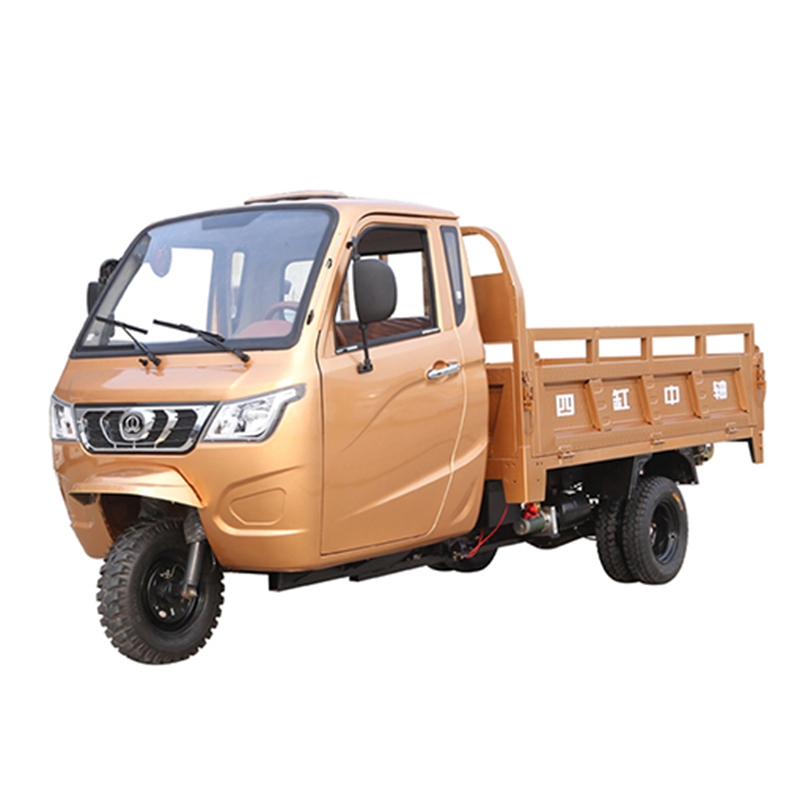
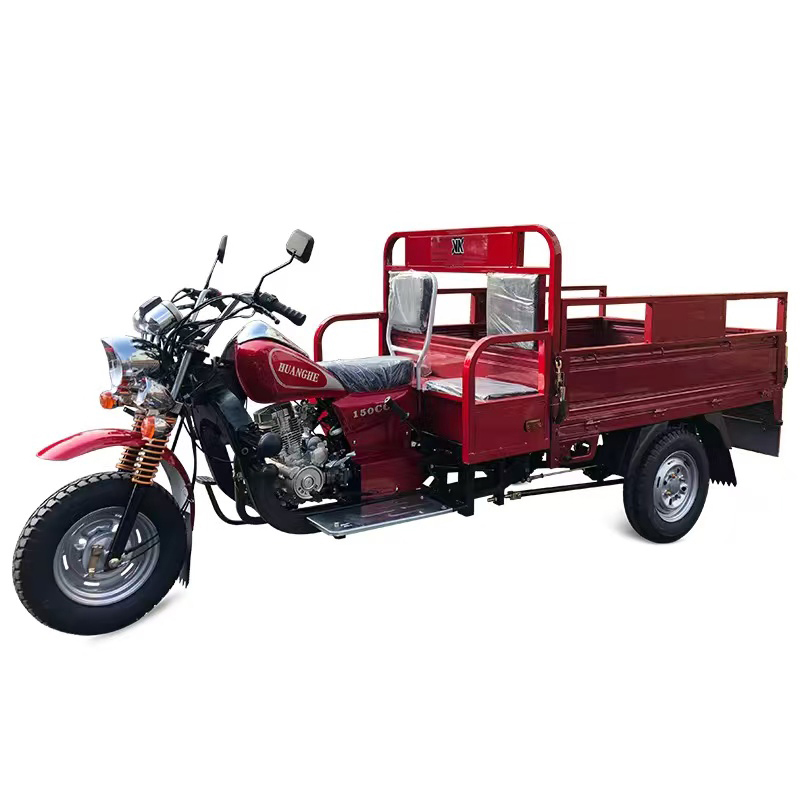
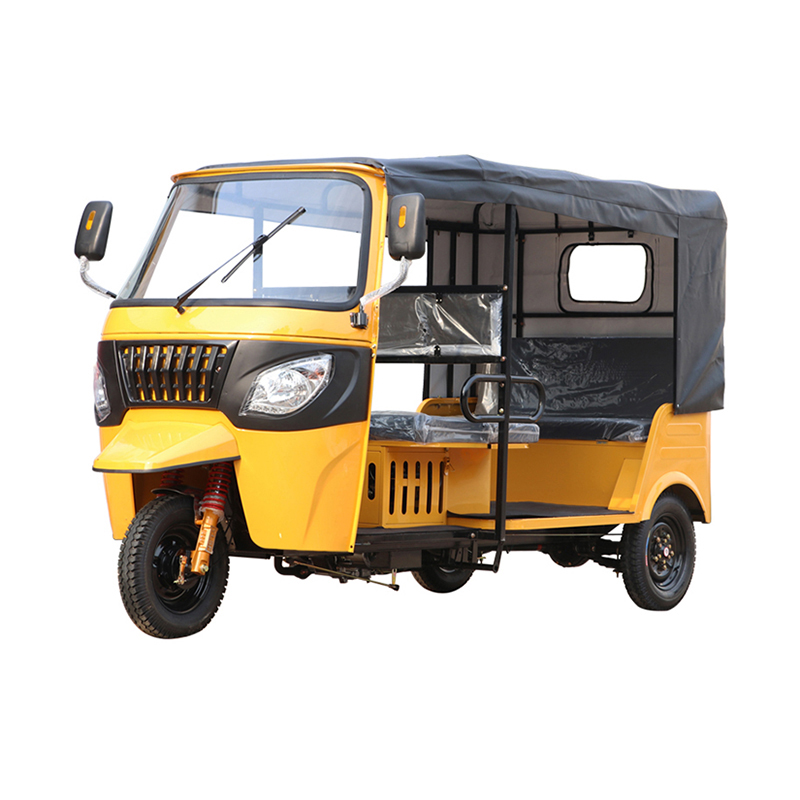
Commercial tuk tuk for sale offerings span a wide spectrum of payload capacities, from 300 kg light-duty models to 800+ kg heavy-duty cargo configurations. Key considerations include:
Passenger Variants: 3-6 passenger seating, commonly used for tourism, airport shuttles, and urban transit (payload ~300-400 kg)
Cargo Variants: Enclosed cargo boxes or flatbeds with 500-800 kg capacity, suitable for last-mile logistics and urban freight
Refrigerated Units: Insulated cargo compartments with electric cooling, serving food distribution and pharmaceutical transport (payload ~400-600 kg)
Custom Configurations: Specialized bodies for waste collection, mobile vending, or utility maintenance
When evaluating tuk tuk for sale listings, verify payload ratings against actual operational requirements with a 15-20% safety margin to accommodate dynamic loads and passenger/cargo variability.
3. Powertrain and Battery Technology Considerations
For electric tuk tuk for sale options, battery technology represents the single most consequential specification:
Lead-Acid Batteries: Lowest upfront cost ($400-$800 replacement), but limited cycle life (300-500 cycles) and heavier weight. Suitable for low-utilization applications.
Lithium-Ion (NMC): Balanced performance with 800-1,200 cycles and moderate cost ($800-$1,500 replacement). Common in mid-range models.
Lithium Iron Phosphate (LiFePO₄): Superior cycle life (2,000-3,000+ cycles), enhanced thermal stability, and longer warranty. Higher initial cost ($1,200-$2,500 replacement) but optimal TCO for high-utilization fleets.
Motor power ratings typically range from 1,000W to 3,000W (1.3-4 hp). For cargo applications with frequent hill climbs or heavy loads, prioritize models with minimum 1,500W output and high torque characteristics (≥40 Nm).
4. Regulatory Compliance and Certification
The tuk tuk for sale procurement process must account for diverse regulatory frameworks across jurisdictions:
Vehicle Classification: Determine whether local regulations classify the vehicle as a motorcycle, auto-rickshaw, or low-speed vehicle, as this impacts licensing, registration, and permitted operating zones
Safety Standards: Verify compliance with UN ECE regulations (R0, R13, R17 for braking, seating, and structural integrity) or equivalent national standards (e.g., ARAI certification in India, CCC in China)
Emission Norms: For ICE models, ensure compliance with Bharat Stage VI (India), Euro 5/6 (Europe), or local equivalents
Urban Access Restrictions: Many cities restrict ICE three-wheelers from certain zones; electric models typically receive preferential access
5. Total Cost of Ownership (TCO) Framework
Sophisticated B2B buyers evaluate tuk tuk for sale options through a comprehensive TCO model encompassing:
Formula: TCO = Acquisition Cost + (Operating Cost × Annual km × Years) + Maintenance + Insurance + Financing - Resale Value + Charging Infrastructure (if applicable)
For a typical urban logistics application (10,000 km/year, 5-year horizon):
Electric tuk tuk: $5,500 acquisition + $1,750 operating + $1,250 maintenance = $8,500 TCO
Gas tuk tuk: $3,500 acquisition + $4,000 operating + $4,500 maintenance = $12,000 TCO
This analysis demonstrates the economic advantage of electric tuk tuk for sale options for medium-to-high utilization scenarios, with break-even typically achieved within 24 months.
6. Key Selection Criteria Checklist
Procurement teams should evaluate tuk tuk for sale options against the following weighted criteria (adjust weights based on organizational priorities):
Technical Specifications (30%): Payload, range, motor power, battery capacity, charging time
Total Cost of Ownership (25%): Acquisition + 5-year operating costs
After-Sales Support (20%): Service network coverage, spare parts availability, warranty terms
Regulatory Compliance (15%): Certification, emission standards, urban access eligibility
Supplier Stability (10%): Financial health, market reputation, reference customers
Conclusion
Selecting the optimal tuk tuk for sale requires a multidimensional evaluation that transcends initial purchase price. B2B procurement professionals must assess powertrain technology, payload requirements, regulatory compliance, total cost of ownership, and supplier capabilities within the context of their specific operational environment. As electrification accelerates and urban emission zones expand, electric tuk tuk for sale options increasingly deliver superior economic and environmental performance. By applying the structured framework outlined in this guide, procurement teams can make evidence-based decisions that optimize both financial returns and sustainability objectives, positioning their organizations for success in the evolving landscape of urban commercial transportation.
References
Allied Market Research. (2023). Three-Wheeler Commercial Vehicle Market: Global Opportunity Analysis and Industry Forecast, 2021-2030. Portland: Allied Market Research.
International Council on Clean Transportation (ICCT). (2022). Electric Three-Wheeler Markets in Asia: Policy Drivers and Market Development. Berlin: ICCT.
NITI Aayog & Rocky Mountain Institute. (2022). India's Electric Mobility Transformation: Progress and Opportunities. New Delhi: NITI Aayog.
Shirgaokar, M. (2019). "Access to the auto-rickshaw sector in the informal economy of Mumbai, India." Journal of Transport Geography, 76, 54-63.
World Bank. (2021). Electric Mobility and Healthy Cities: E-Bikes, E-Scooters, and E-Rickshaws. Washington, DC: World Bank Group.
Renqiu Xianyue Motorcycle Co., Ltd.
Copyright © 2026-2027 https://www.xuanyuetricycle.com. All Rights Reserved Renqiu Xuanyue Motorcycle Co., Ltd.