

 Current location:
NEWS INFORMATION
NEWS INFORMATION
Why Tourist Tuk Tuk Is Ideal for Sightseeing Business
author:xuanyue date:2026-07-15 01:47:56 click:158
The Unique Position of Tourist Tuk Tuks in Experience Tourism
Sightseeing tourism has evolved beyond passive bus tours toward immersive, personalized experiences. Today's travelers—particularly in the 18–45 demographic—prioritize authentic cultural engagement over mass-market logistics. The tourist tuk tuk occupies a distinctive niche in this market: it delivers an authentic, open-air, culturally resonant experience that no enclosed vehicle can replicate, while remaining economically accessible for operators and tourists alike. With global tourism recovering to pre-pandemic levels and experiential travel spending growing at 12–18% annually, the tourist tuk tuk business represents a compelling opportunity for operators who understand how to position it correctly.
Features That Make the Tourist Tuk Tuk Exceptional for Sightseeing
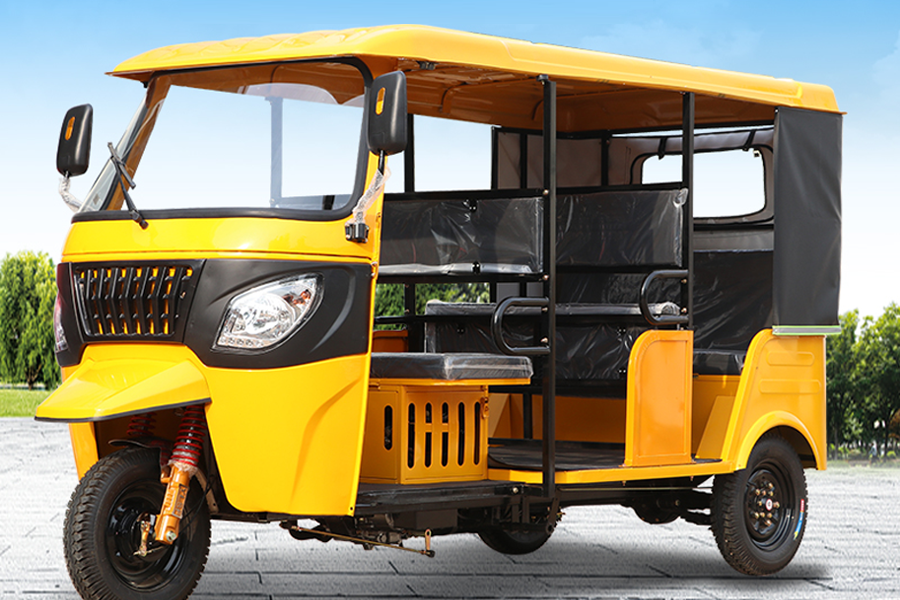
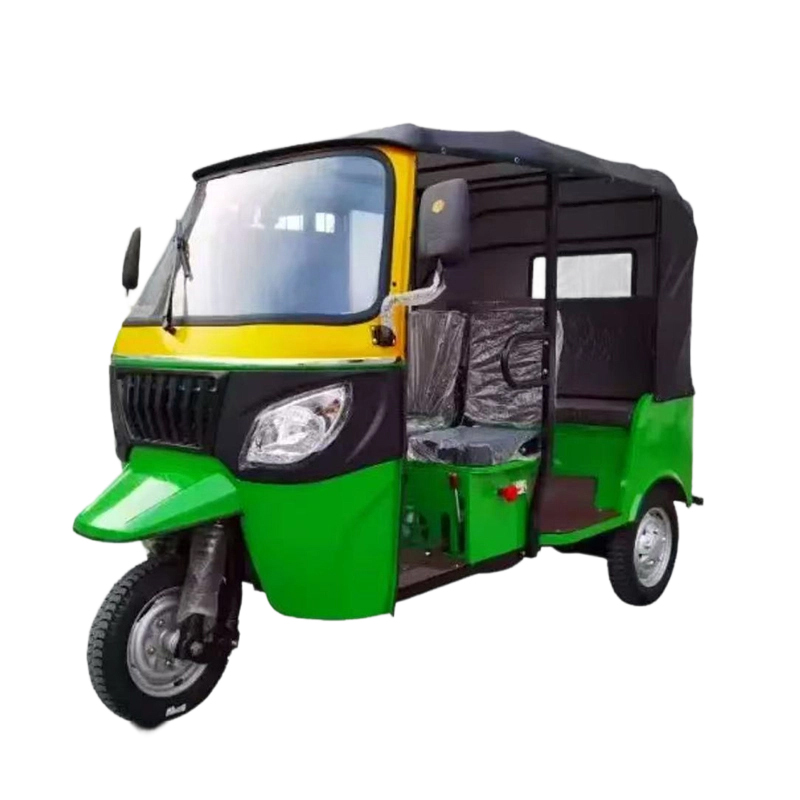
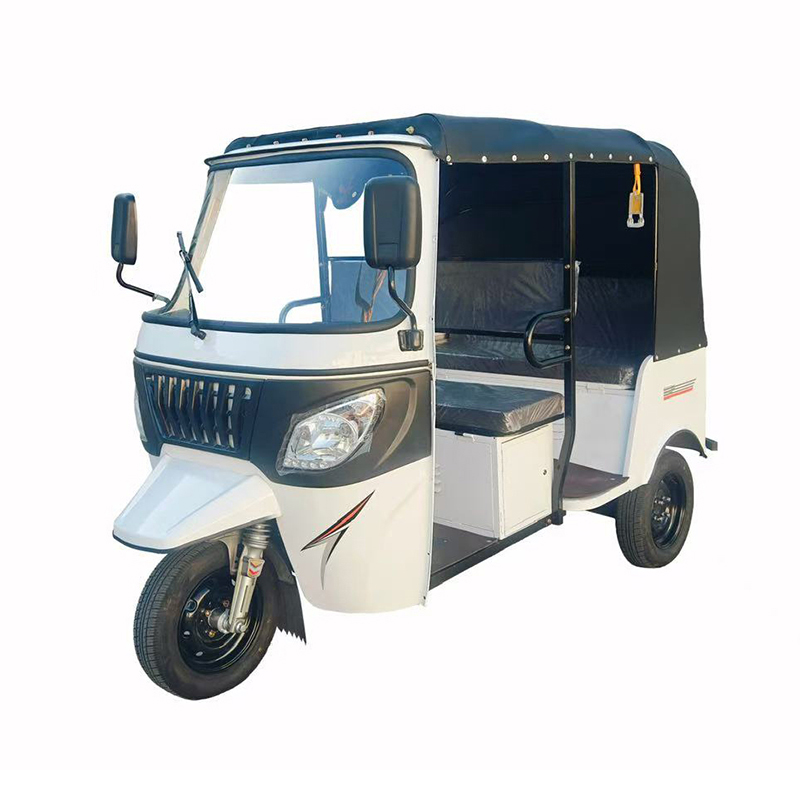
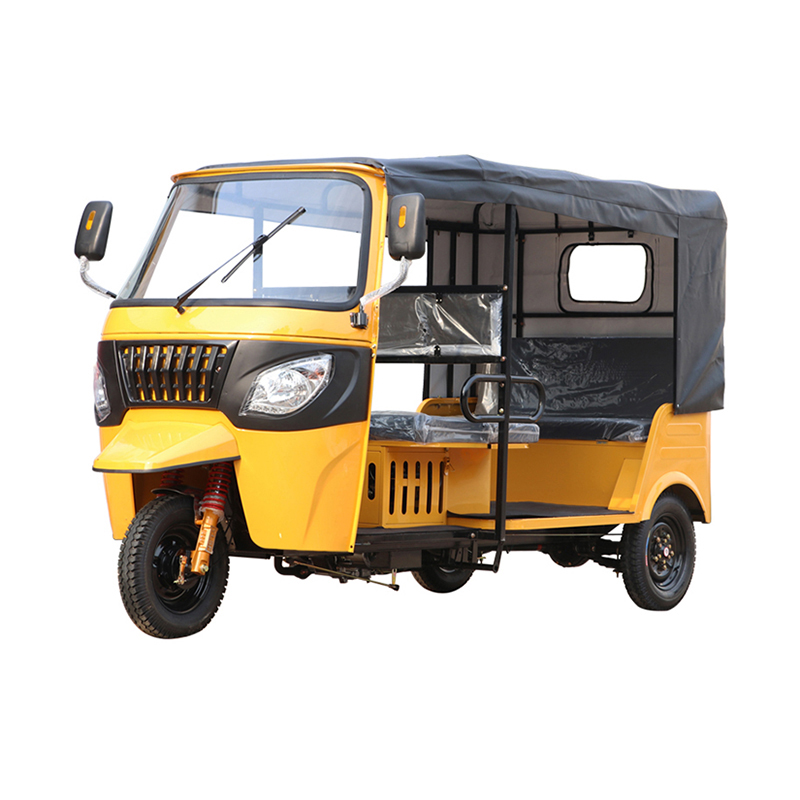
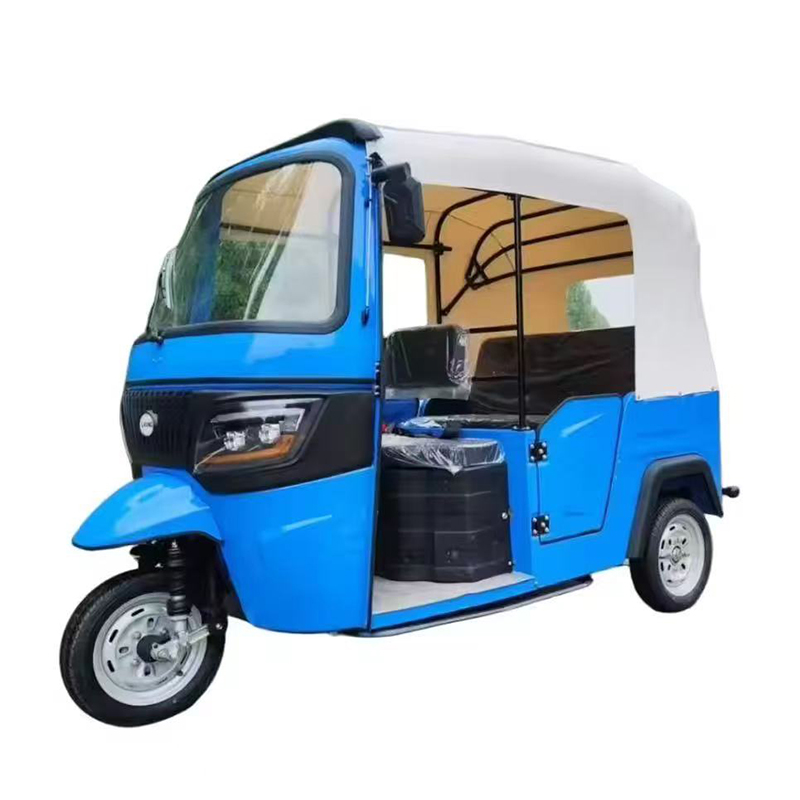
A purpose-built tourist tuk tuk differs substantially from a standard passenger three-wheeler. Key design features that drive passenger satisfaction include:
Open-air configuration with weather flexibility: Low step-in height, open sides, and retractable canopy or roll-down curtains allow passengers to control their exposure to sun, rain, and ambient sounds. This adaptability outperforms fixed-roof vehicles in unpredictable weather conditions.
Sightline optimization: The low seating position and open design provide unobstructed 180-degree panoramic views at eye level—the exact perspective that defines memorable sightseeing experiences. Standard tour buses offer top-down views that feel detached from the environment.
Authentic cultural immersion: The tourist tuk tuk itself is a destination attraction. Riding through markets, temples, and neighborhoods in an iconic three-wheeler creates photo opportunities and lasting memories that justify premium pricing.
Compact group dynamics: With 4–8 passenger capacity, the tourist tuk tuk creates an intimate social atmosphere that large tour groups cannot match. Smaller groups foster conversation, shared excitement, and higher per-passenger ratings.
Audio guide integration: Bluetooth PA systems and guide headsets enable multilingual commentary without shouting over engine noise—an essential feature for international tourist markets.
Revenue Models and Return on Investment
The tourist tuk tuk supports diverse revenue models with strong unit economics:
Scheduled city tours: Fixed departure times with set itineraries at USD 15–40 per person; 4–8 passengers per vehicle; 2–4 departures daily. A single vehicle on a USD 25 average fare with 6 passengers generates USD 300–500 daily revenue.
Private charter tours: Customized itineraries at USD 40–120 per hour; premium pricing for couples or small groups seeking exclusivity. Private charters command 2–3x scheduled tour rates and generate higher margins with lower operational complexity.
Hotel and resort partnerships: Dedicated tourist tuk tuk contracts with hospitality properties provide guaranteed daily revenue of USD 80–200 per vehicle regardless of occupancy fluctuations. Concierge-recommended tours typically generate 15–20% commission to the hotel.
Special event operations: Peak tourism seasons, festivals, and cultural events command 2–4x standard rates. A tourist tuk tuk positioned at a major event for 3–5 days can generate USD 500–1,200 in total revenue.
Photography and film location hire: Tourism boards, travel photographers, and film productions pay USD 100–300 per half-day for distinctive vehicles with branded or period-appropriate aesthetics.
A well-managed tourist tuk tuk achieves payback on acquisition cost within 8–18 months, with annual net returns of 35–60% thereafter.
Operational Advantages for Tourism Fleets
Beyond revenue potential, the tourist tuk tuk offers operational advantages specific to tourism applications:
Accessibility to restricted zones: Smaller dimensions allow operation in pedestrian streets, heritage conservation areas, and narrow urban passages that tour buses cannot enter. This exclusive access creates itinerary advantages that justify premium pricing.
High-frequency rotation: Quick loading and unloading with low step-in height enables faster tour cycles than conventional vehicles. A tourist tuk tuk can complete 3–5 short tours daily versus 2–3 for larger vehicles.
Low capital barrier: At USD 3,000–10,000 per unit, a tourist tuk tuk fleet of 3–5 vehicles requires USD 10,000–50,000 total investment—accessible for individual entrepreneurs and small hospitality operators alike.
Scalability: Adding vehicles incrementally aligns with seasonal demand variation; operators can scale fleet size up during peak season and avoid year-round overhead during low season.
Electric Tourist Tuk Tuks: The Sustainability Advantage
The transition to electric tourist tuk tuk models is accelerating, driven by both operational and marketing factors:
Zero-emission operation: Many heritage sites, wildlife reserves, and national parks mandate or incentivize zero-emission vehicles. An electric tourist tuk tuk accesses these sites freely while diesel vehicles face restrictions or additional charges.
Silent operation: At 50–55 dB versus 75–85 dB for diesel equivalents, electric tourist tuk tuk vehicles enable guide commentary at normal volume, improve passenger conversation quality, and eliminate exhaust fumes that disrupt the sensory experience of cultural sites.
Cost trajectory: Battery costs have declined 80% since 2015 and continue falling. Electric tourist tuk tuk models now compete on acquisition price with petrol equivalents and significantly outperform on operating costs.
Marketing advantage: Eco-conscious travelers actively seek sustainable tourism options. Deploying electric tourist tuk tuk vehicles strengthens green credentials and supports premium positioning in a crowded market.
Target Markets and Customer Acquisition
Effective tourist tuk tuk businesses target specific customer segments with tailored messaging:
Solo and couple travelers: High willingness to pay for personalized experiences; average tour spend of USD 40–80 per person; strong social media sharing behavior that generates organic marketing.
Small group travelers: Groups of 3–6 who prefer private or semi-private tours over large bus groups; often booking through boutique tour operators and travel agencies.
Resort and hotel guests: High convenience sensitivity; prefer in-property booking; loyal to concierge recommendations; generate repeat referrals to the tourist tuk tuk operator.
Adventure and experiential travelers: Seeking authentic local experiences beyond standard tourist circuits; willing to pay premium prices for exclusive access and behind-the-scenes itineraries.
Distribution channels include online travel agencies (Viator, GetYourGuide, Klook), direct website bookings, hotel concierge partnerships, social media marketing, and on-street solicitation at tourist hotspots.
Building a Sustainable Tourist Tuk Tuk Business
Long-term success requires more than having a well-equipped vehicle. Sustainable tourist tuk tuk operators invest in:
Route curation: Developing distinctive itineraries that showcase lesser-known attractions, local cuisine stops, and cultural encounters—not just the standard checklist sites—creates differentiation and justifies premium pricing.
Guide training: Knowledgeable, engaging guides with multilingual capability transform a vehicle ride into a memorable experience. Investment in guide development yields higher ratings, repeat referrals, and direct bookings.
Vehicle presentation: Clean, well-maintained tourist tuk tuk vehicles with branded aesthetics signal professionalism and safety. Vehicle condition is the first impression that sets passenger expectations.
Digital presence: Active social media accounts with high-quality photos and videos of tourist tuk tuk experiences drive organic discovery. Online review management and Google Business Profile optimization generate 40–60% of bookings for established operators.
FAQ
What is the ideal passenger capacity for a tourist tuk tuk?
A 4–6 passenger tourist tuk tuk offers the best balance of intimacy, revenue optimization, and accessibility. Four-passenger configurations command the highest per-person pricing; six-passenger configurations improve per-vehicle revenue for scheduled group tours.
How much does a tourist tuk tuk cost?
New tourist tuk tuk units range from USD 3,000–8,000 for petrol models and USD 5,000–12,000 for electric equivalents. Custom touring features such as audio systems, premium seating, and branded canopies add USD 300–800 to base price.
Can a tourist tuk tuk operate in rain?
Yes. Equipped with roll-down transparent curtains, waterproof seating, and non-slip flooring, a tourist tuk tuk operates comfortably in moderate rain. Tropical destinations with predictable monsoon patterns schedule tours around weather windows and communicate conditions transparently to passengers.
Is an electric tourist tuk tuk reliable enough for daily commercial tours?
Modern electric tourist tuk tuk models are highly reliable, with 98–90% operational uptime when maintained properly. Range of 80–130 km covers the vast majority of sightseeing routes. Overnight depot charging eliminates range anxiety for scheduled tour operations.
What licensing is required to operate tourist tuk tuks?
Commercial passenger transport licensing, vehicle registration as L5e or L7e category, tourist operator business license, and appropriate insurance coverage are typically required. Specific requirements vary by jurisdiction; verify with local tourism and transport authorities before launching operations.
Conclusion
The tourist tuk tuk is not merely a vehicle—it is an experience platform that aligns perfectly with the direction of modern tourism demand. Its authentic open-air design, cultural resonance, compact maneuverability, and economic accessibility create advantages that conventional tour vehicles cannot match. For operators who invest in purpose-built vehicles, curate distinctive itineraries, develop skilled guides, and build a strong digital presence, the tourist tuk tuk business delivers annual returns of 35–60% with payback periods under 18 months. As experiential travel continues to grow as the dominant tourism segment, the operators who position tourist tuk tuk services strategically today will capture the largest share of this expanding market.
References
Stone, M., & Faulkenberry, J. (2023). "The Experience Economy and Urban Tourism: Demand for Authentic Three-Wheeler Experiences." Journal of Tourism Research, 58(2), 134–152.
Reiser, A., & Lehtonen, S. (2022). "Electric Vehicles in Heritage and Nature-Based Tourism: Operator Perspectives." Tourism Management Perspectives, 44, 101–115.
Timothy, D., & Ron, A. (2023). "Heritage Tourism and Authenticity: The Role of Local Transport Modes." Annals of Tourism Research, 102, 103–119.
Kristiansen, M., & Tranvik, T. (2024). "Sustainability Communication in Tourism: Traveler Preferences for Green Transport Options." Journal of Sustainable Tourism, 32(1), 88–106.
World Tourism Organization. (2024). "International Tourism and the Recovery of Three-Wheeler Transport Services." UNWTO Barometer, 22(1), 1–18.
Renqiu Xianyue Motorcycle Co., Ltd.
Copyright © 2026-2027 https://www.xuanyuetricycle.com. All Rights Reserved Renqiu Xuanyue Motorcycle Co., Ltd.